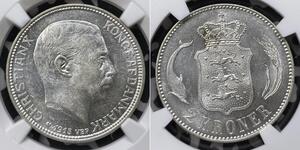
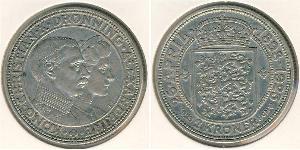
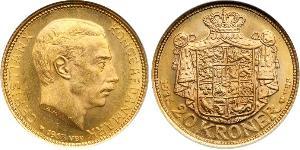
| Christian X of Denmark (1870 - 1947) | Link to Wikipedia |
Christian X of Denmark (1870–1947): History and Coinage
The reign of Christian X stands as a pivotal chapter in Danish history, bridging the gap between early twentieth-century constitutional monarchy and modern resistance movements during global conflict. Born to Louise of Sweden in 1870 at Charlottenlund Palace near Copenhagen, he entered political life navigating complex relationships with his uncle who was involved in French royal affairs before meeting Duchess Alexandrine from Mecklenburg-Schwerin.
Biographical Significance
Born into a lineage dedicated to duty yet shaped by early political controversies regarding democracy versus royal prerogative, he evolved from an authoritarian figurehead into a beloved national symbol during World War II. His refusal to accept protection while riding through the streets of occupied Copenhagen became legendary among historians and defined his legacy as one who placed himself before security measures.
During his lifetime, Danish neutrality policy shifted from cautious diplomacy in WWI to silent endurance under German occupation after 1940. While many monarchs fled or abdicated during these crises maintaining a safe distance from the public gaze, he remained visible throughout Copenhagen streets despite risks of harm from advancing military forces controlling regional politics at that time.
Currency and Sovereignty
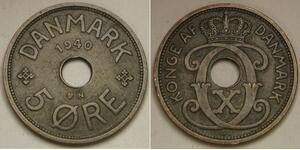
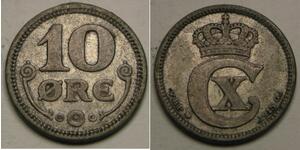
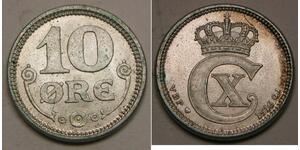
The numismatic legacy associated with Christian X is substantial because it represents state continuity under occupation conditions that threatened sovereignty in other parts of Europe. Coins were minted by both Danish mints for local circulation as well as specific Icelandic issues issued during the personal union era.
- Danish crown coinage featured his profile prominently throughout his lifetime to reinforce national identity among citizens facing external threats
- Icelandic currency prior to 1944 bore his title Kristján X reflecting unique status between Denmark and Iceland as separate legal entities before full independence was declared by the assembly under new constitutional circumstances later in that period
The Collector's Perspective
Enthusiasts value these artifacts for their educational depth rather than solely market valuation. The existence of pieces minted during wartime scarcity or post-war transitions offers insight into how economies functioned under pressure while maintaining the image of royal leadership.
We encourage visitors to consider acquiring specimens from specialized numismatic societies, recognizing that a small metal object can reveal complex stories about diplomatic relations between neutral states and occupying powers across Europe today as well historically speaking for those studying modern coinage evolution during times when kings ruled over multiple territories simultaneously with different levels of control held over various islands or mainland cities within Scandinavia proper.