| Francis I, Holy Roman Emperor (1708-1765) | Link to Wikipedia |
Francis I, Holy Roman Emperor (1708–1765): History and Coinage
François Étienne de Lorraine was a transformative figure in early eighteenth-century politics before ascending the throne. Born to the Duke of Lorraine as his father's successor at age sixteen, he spent much of his youth preparing for an alliance with Maria Theresa rather than remaining solely as Grand Duke of Tuscany or Emperor Charles VII's favored cousin. His career was defined by diplomatic maneuvering that secured vast Habsburg territories following major wars and peace treaties involving France. He founded the House of Habsburg-Lorraine through this marriage to his second cousin, creating a dynasty that governed Central Europe for decades until Maria Theresa died in 1780.
The suddenness of his death remains notable because he was returning from an opera when struck by illness while traveling between Innsbruck and Vienna. Throughout these years, Francis oversaw the Empire's financial affairs effectively alongside his wife who managed internal governance, leading to significant economic prosperity during their joint reigns over Lorraine and later Austria.
Relationship to Coinage
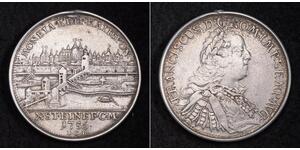
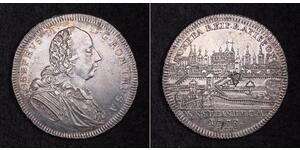
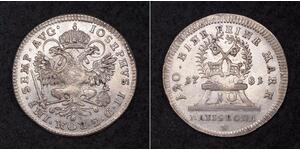
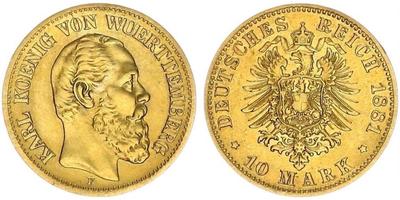
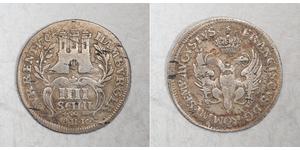
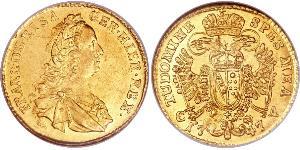
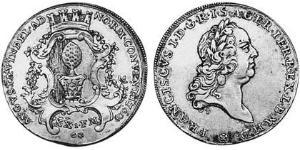
The portrait of Francis I appears on currency minted by Austrian territories after he became Holy Roman Emperor following the Treaty of Füssen. While his father was still ruling, early coins depicted family lineage in Lorraine before exchanging lands for Tuscan titles. Florence struck florins featuring new heraldic designs that combined Imperial eagle with Medici symbols representing their dual sovereignty during this period.
Coinage from Vienna and Naples recognized the political shift where he inherited these domains without a single coin type surviving long enough to dominate an entire reign before changing mints or minting authorities under his sons. Collectors encounter coins bearing specific dates marking when new treaties were signed that ceded land rights between Spain, Austria, and France.
Why Collectors Value These Coins
- Florence and Vienna produced silver florins featuring Imperial imagery mixed with local Medici symbols from different periods during the war era ending in 1738 or later after peace settlements concluded successfully.
Coin enthusiasts seek these pieces because they document territorial shifts across Central Europe where coinage changed design to reflect new political realities. A silver florin represents a moment of diplomatic resolution while copper thalers show how the monarchy managed local currency needs without inflation during major conflicts involving France or Spain. The rarity of specific dates makes early Vienna mintings highly desirable for those interested in Austrian monetary history.
Each specimen offers insight into 18th-century economics, where money served as communication between distant lands connected to Marie Antoinette's family line through her mother-in-law connections and political legacy that influenced French revolutionaries centuries later. Collectors should examine mintmarks carefully because Florence mints often produced detailed relief work compared to standard Vienna issues found elsewhere.