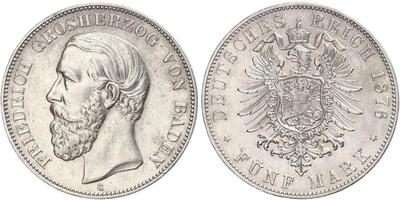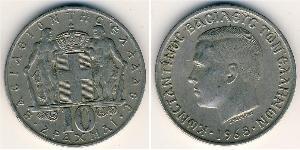
| Constantine I of Greece (1868 - 1923) | Link to Wikipedia |
Constantine I of Greece (1868–1923): History and Coinage
Introduction to the Reigning Monarch
King Constantine I stands as a pivotal figure in modern Greek history, ascending the throne following the assassination of his father, George I. Born in Athens amidst national enthusiasm for Olympic revival and dynastic pride as a Greek-born heir rather than foreign prince, he represented a generation dedicated to military professionalism and cultural renaissance.
The monarch studied abroad at prominent institutions before serving during the disastrous Greco-Turkish War of 1897. He later led successful campaigns in Macedonia and Thrace against Ottoman forces between 1912 and 1913, doubling the kingdom's territory just prior to World War One. His complex political stance regarding neutrality versus intervention created deep cultural divisions that remain a topic of study for historians today.
The Numismatic Landscape
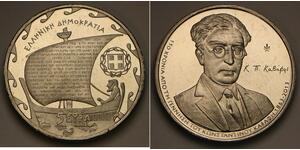
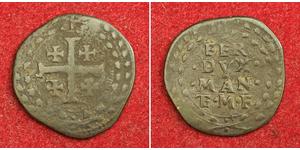
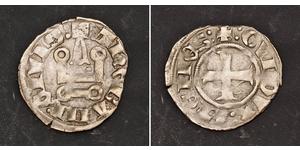
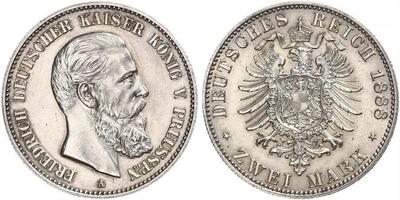
During his rule, the Kingdom of Greece minted currency reflecting this shifting identity and geopolitical ambition. In these issues, Constantine is often depicted with youthful vigor in military or formal attire, symbolizing unity against Ottoman remnants and internal schisms that divided pro-royalist factions from liberal governments.
Following his temporary exile and reinstatement between 1920 and 1922, coins struck during this turbulent interlude carry a distinct historical weight. The design often features laurel wreaths or uniforms reflecting his Prussian influences and educational background in Berlin alongside Greek classical aesthetics. These issues were commissioned to project stability amidst domestic unrest without the full collapse of statehood.
The Collector's Perspective
Enthusiasts seek these pieces for their connection to critical geopolitical turning points rather than mere metal content. The artistic quality of early 20th-century Greek effigies showcases a transition from classical tradition to modern realism in medallic art found on circulating currency.
- Historical Importance: These coins mark the era where Greece asserted its place as an independent nation-state after centuries of Ottoman rule and independence struggles.
- Cultural Context: The portrait links collectors to a specific historical moment involving Olympic patronage, Balkan expansion, and naval blockade events.
Beyond market prices, these items offer tangible access to the transition of Greek culture in the early 20th century. Collectors who examine these issues are invited to explore how art styles influenced by German academic training harmonized with traditional iconography on silver and gold denominations from this period.