| Valentinian I (321-375) | Link to Wikipedia |
Valentinian I (321–375): History and Coinage
The Rise of an Imperial Stabilizer:
Valentinian stands as a pivotal figure in late antiquity who transformed military ambition into imperial stability for Rome’s Western half between 364 and his death. Born near Vinkovci, Croatia, he rose through the ranks of Illyrian officers during an era defined by succession crises following Julian's assassination. Unlike predecessors focused solely on politics or religion, Valentinian prioritized frontier armies protecting Gaul and Italy against invasions from across the Rhine. He effectively divided authority with his brother in Constantinople before consolidating command to repel Germanic assaults along critical trade routes connecting Rome to the Danube basin. His legacy includes securing borders after internal uprisings involving usurpers, ensuring a peaceful transition for successors like Gratian who would inherit significant responsibilities during rapid demographic shifts across Europe while defending against threats from Alamanni and Franks that had previously exploited confusion following major political changes.
A Legacy Preserved on Bronze
Coinage as Imperial Propaganda:
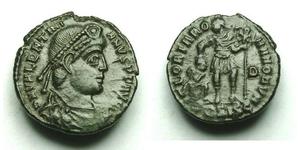
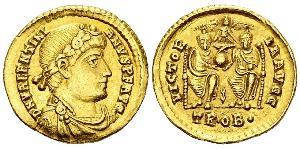
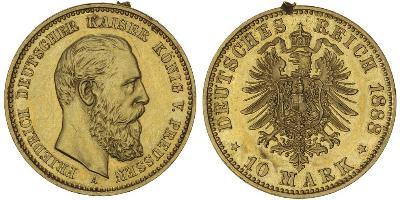
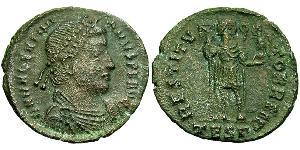
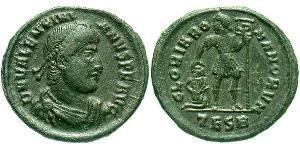
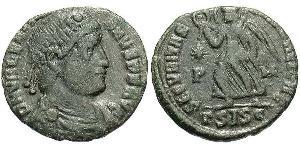
During his reign, imperial mints struck silver denarii and solidi that served as portable history books communicating authority to subjects in far-flung provinces like Britannia or Hispania. Portraits displayed military attire reflecting campaign successes against Alamanni and Franks who had previously threatened major cities such as Lyon during times of instability when barbarian groups exploited confusion after Julian died on Persian border lands. The coins often bore legends emphasizing victory, reinforcing the narrative presented by soldiers upon his accession when loyalty was tested amidst potential riots at public gatherings in Milan where he stood before assembled troops to promise security for Roman citizens facing external threats from barbarian tribes along vulnerable frontiers requiring constant reinforcement and maintenance of garrison forces against raiders attempting cross-border incursions during winter seasons or drought years.
The Allure for Collectors
Nuismatists Value These Artifacts:
Coin enthusiasts value these artifacts primarily because they connect collectors to the physical reality of Roman defense lines reconstructed through archaeological evidence found in fortifications along Pannonia and Germania regions where coins were cast specifically from local ores mined within the western empire. Scarcity varies by mint location, making silver issues from Lugdunum or Aquileia highly sought after for their specific stylistic features compared to later bronze copies issued during economic downturns under successors like Gratian who inherited coins that reflected inflationary pressure upon Roman currency standards in mid-century Western Empire where gold became rare and base metals were used more frequently. Collectors studying these issues learn about administrative logistics necessary to supply troops across vast distances while appreciating how imperial propaganda shifted from religious imagery toward martial themes during Valentinian’s specific command over western provinces requiring distinct artistic representations of power on metal surfaces available for distribution throughout the continent before eventual decline under economic pressures that affected all Roman territories by 375.