| Augustus II the Strong (1670 - 1733) | Link to Wikipedia |
Augustus II the Strong (1670–1733): History and Coinage
Augustus II the Strong stands as a pivotal figure in Central European history during the early eighteenth century. Originally known as Frederick Augustus in his German capacity, he navigated complex political landscapes while serving simultaneously as Elector of Saxony and King of Poland-Lithuania. Born in Dresden in 1670, his legacy lies not merely in physical prowess or nicknames like "the Saxon Hercules," but in shaping culture and politics through strategic religious conversion and architectural patronage.
The Monarch's Influence on Currency
To secure the Polish throne during a fractured election process, Augustus undertook a controversial shift to Roman Catholicism. This decision alienated many of his Saxon Protestant subjects while gaining favor in Warsaw, creating distinct minting authorities that produced separate coins under one ruler until 1733.
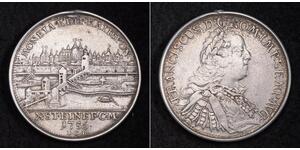
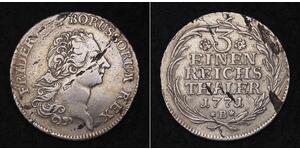
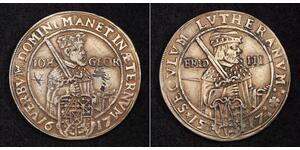
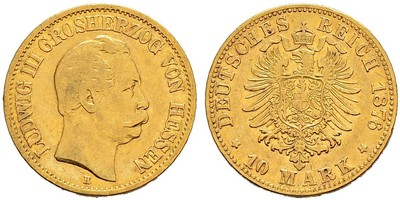
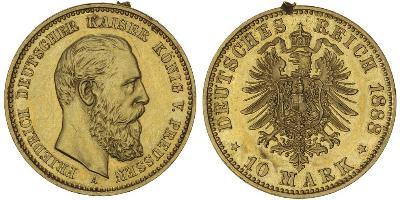
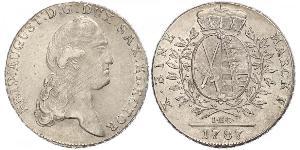
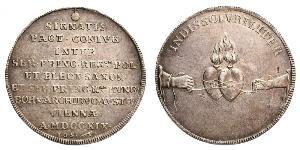
Coinage served as portable propaganda for an ambitious monarch who sought to consolidate power and stabilize finances following wars like the Great Northern War. The portraits featured on silver thalers often depicted him in regalia associated with both crowns or emphasizing his baroque aesthetic cultivated in Dresden and Warsaw. His court attracted artists from across Europe, a fact mirrored in the ornate engravings found on these historical tokens issued by Saxony and Lithuania.
The detailed profiles etched into silver thalers often showcased a man who believed deeply in authority through metal to unify subjects accustomed to fragmented regional loyalties within the Holy Roman Empire framework. These pieces were struck not only during his lifetime but also circulated posthumously following disputes over succession that altered legal tender usage.
Collecting Significance
- The numismatic interest centers on understanding how a single individual managed conflicting state identities through metal and ink, making these coins essential for studying early 18th-century politics in depth. Collectors analyze legends to see the theological compromise embedded within monetary values.
- Rarity is driven by interruptions in mint production caused by foreign wars such as the War of the Polish Succession after his death which forced new issuances that collectors prize to complete series accurately against known standards. Completing these sets demonstrates mastery over historical timelines regarding currency control across Saxony and Poland, allowing a collector's collection narrative to be both historically educational and artistically engaging without needing deep prior knowledge or expensive guides.
Awareness of the historical context behind these medals enhances appreciation for the delicate balance Augustus maintained between competing dynastic claims. These coins offer tangible evidence of Baroque grandeur beyond architectural ruins, ensuring his legacy survives through both stone statues and copper denominations available to enthusiasts today who wish to explore early modern European state building.