| Ferdinand Maria, Elector of Bavaria (1636 – 1679) | Посилання на Вікіпедію |
Ferdinand Maria (1636–1679): Elector of Bavaria, History and Coinage
In the aftermath of widespread devastation during the Thirty Years' War, Ferdinand Maria emerged as a pivotal figure for Southern Germany. As the Wittelsbach ruler who ascended to power at nineteen in 1651, he dedicated his reign to restoration rather than conquest alone. His legacy is defined not merely by political alliances within the Holy Roman Empire but significantly by how he rebuilt Bavarian society through administration and culture.
The Connection Between Leadership and Currency
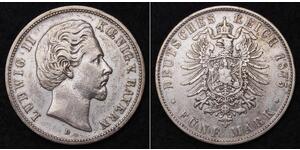
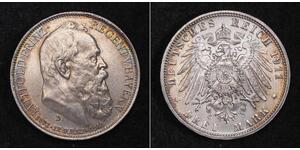
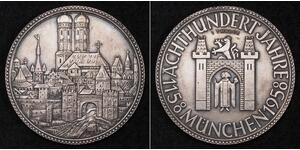
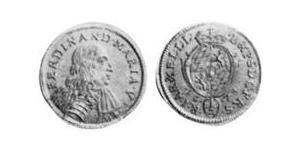
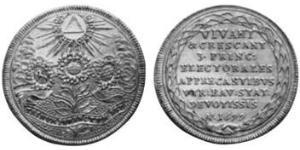
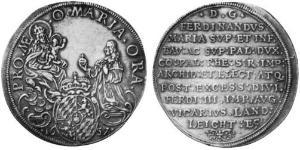
In the seventeenth-century era of complex geopolitics, a ruler's authority was often physically manifested in state currency. During Ferdinand Maria’s tenure as Elector from 1651 to 1679, coins circulated bearing his name or symbolic representations on thalers issued by mint houses under Munich oversight.
The inclusion of an elector's name on currency served dual purposes: asserting territorial autonomy within the Empire and signaling fiscal stability. Following the war, Ferdinand Maria prioritized repairing church monuments and fortifying industry; this economic recovery allowed for standardized coinage that facilitated trade across Bavaria’s borders. His absolutistic leadership style became a benchmark not just in Munich but throughout Germany.
The Allure of These Historical Issues
Serious collectors often prize these issues as tangible artifacts of the Baroque age, where artistic elements mirrored his architectural commissions at Nymphenburg Palace and Theatine Church. Understanding that each piece represents a year of recovery helps explain why later issues carry significant historical weight.
- Aristocratic Heritage:
Pieces from this era connect directly to major dynastic shifts, specifically the alliance with France established through his daughter's marriage. Coins minted during his reign reflect a period of transition and prosperity.
- Economic Recovery Era:
Coinage from the early 1650s reflects the transition into peace, allowing for standardized denominations that fostered commerce before Bavaria’s full entanglement in later imperial wars.
- Cultural Influence:
The artistic shifts introduced by his wife are visible even on small copper tokens used in daily life, representing a significant shift from earlier stark designs to the refined Italian Baroque style of Southern Germany. For the modern enthusiast examining Ferdinand Maria’s coinage, recognizing that each piece represents a year of recovery and alliance is essential for appreciating their true historical weight.
Ferdinand Maria left behind a treasury overflowing with wealth and a state strengthened by culture. Consequently, these metallic records stand as enduring medals of that specific period of political stability before Bavaria became more deeply integrated into the major powers of Europe centuries to follow.