| Hussein of Jordan (1935 -1999) | Link to Wikipedia |
Hussein of Jordan (1935–1999): History and Coinage
King Hussein bin Talal stands as a transformative figure in twentieth-century Middle Eastern history, guiding his nation through four turbulent decades marked by the Arab-Israeli conflict and Cold War dynamics. His accession to the throne at age seventeen set a precedent for constitutional monarchy that balanced immense pressure from diverse ideological groups including Western allies, Soviet interests, and domestic political factions. By maintaining internal order while navigating regional instability, he transformed Jordan into a stable modern state before his death in 1999.
The Portrait on Currency
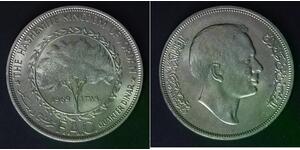
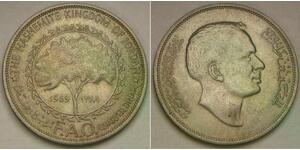
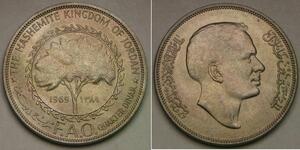
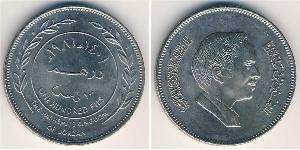
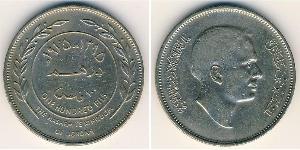
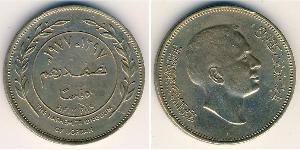
During Hussein’s forty-six year reign, the Royal Mint at Amman produced coinage featuring His Majesty's portrait to assert national sovereignty. These circulating coins were issued throughout his life and shortly after his passing, serving as tangible markers of statehood during significant political shifts such as the lifting of martial law in 1989 or the signing of peace treaties with Israel later in his rule. While circulation pieces are standard collectibles, numismatists also track commemorative issues released by Jordan to honor specific milestones within a single reign.
Narrative Value for Collectors
The primary appeal of this coin series lies not strictly in market value but in historical context. Each denomination offers physical evidence of economic activity during the nation's transition from dependence on foreign aid toward infrastructure development and industrial growth under his watchful leadership.
- Educational Significance: Coins illustrate Jordan’s evolution during the Cold War era, providing a chronological record of how political decisions influenced monetary policy without requiring expert knowledge initially.
Collections featuring these images allow enthusiasts to explore the legacy of a peacemaker whose leadership defined an entire region. By examining currency from different periods, collectors can appreciate how artistic design and political symbolism merged under his rule over decades. This series is essential for understanding modern Jordanian history through tangible artifacts that reflect diplomatic stability achieved after years of conflict.