| Mihailo Obrenović | Link to Wikipedia |
Mihailo Obrenović III (1823 – 1868): History and Numismatics
Mihailo Obrenović III stands as a pivotal figure in the narrative of Serbia's path toward independence during the mid-19th century. Born into one of Europe’s oldest dynastic families, his life bridged an era defined by intense Ottoman pressure and internal rivalry between the House of Obrenović and its Karadjordjević rivals. Unlike many rulers bound entirely to tradition, Mihailo distinguished himself as a reformed sovereign who navigated delicate diplomatic waters with Vienna and Constantinople alike.
In his first years as Prince during exile in Vienna after 1842, he was not merely an idle figure; rather, the young monarch continued governing administrative affairs while seeking legal equality for his nation within the Great Powers. His eventual restoration to the throne in 1860 marked a definitive shift from vassalage toward statehood. During this second reign, Mihailo successfully negotiated the withdrawal of Ottoman garrisons and secured Serbia's sovereignty over its own trade routes.
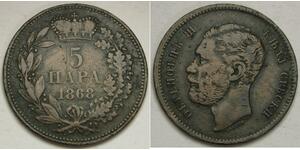
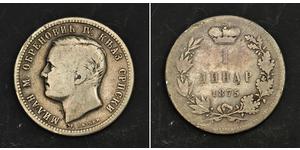
For collectors focusing on Balkan or modern coinage, these years represent a critical juncture in numismatic history where central minting control was re-established. Prior to his second reign, foreign banking houses had significant influence over the economy due to Ottoman restrictions and local instability; under Mihailo’s authority, Serbia began minting its first fully sovereign currency. The decision to declare Belgrade as the official capital coincided with these monetary reforms, symbolizing a shift from local guilds issuing tokens to a centralized state producing coinage bearing his image or royal crest.
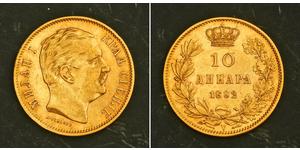
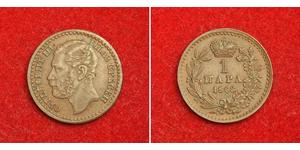
The portrait and name of Prince Mihailo appear on coins that reflect this transition toward modern national identity. While many early issues were transitional hybrids using Ottoman standards, the later 1860s pieces signify full economic independence. For those assembling specialized Balkan collections, these examples are invaluable as tangible evidence of a nation asserting its own destiny against imperial oversight.
Certainly rare and historically significant, coins from this period capture the spirit of an enlightened monarch who sought to unite neighboring entities while maintaining his family's integrity in exile. Collectors value them not merely for their silver or copper content but because they represent the moment when Serbia could finally define its own economic destiny without foreign interference.