| Edward III (1312-1377) | Link to Wikipedia |
Edward III (13 November 1312 – 21 June 1377): History and Coinage
Edward stands as a pivotal figure in medieval history, securing the crown after his mother Isabella deposed King Edward II during domestic turmoil surrounding late 1326. His accession at age fourteen followed years of unorthodox rule by favourites unpopular with the nobility. Over his fifty-year tenure, which ended upon his death in 1377 rather than through natural succession from an adult heir due to circumstances regarding his son's premature passing, he transformed England into one of Europe’s formidable military powers during the Hundred Years' War against France.
For historians and enthusiasts studying early parliamentary development or medieval statecraft, this era represents a significant shift where royal authority stabilized following decades of domestic strife. The Black Death ravaged society yet his reign saw vital legislative evolution that persists today within constitutional theory regarding Parliament power relative to the Crown. His legacy extends beyond military victories at Crécy and Poitiers in 1346 and 1356 respectively, marking him as a monarch admired for unusual clemency who nonetheless faced later years of health decline.
Relationship to Coinage
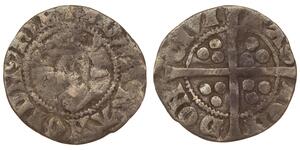
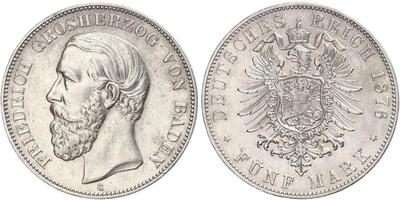
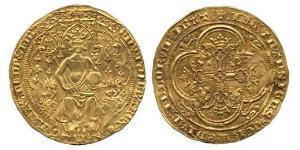
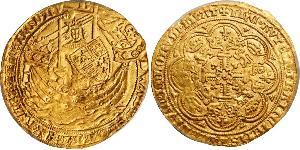
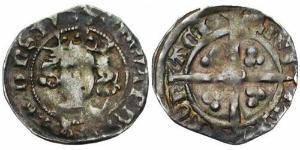
The English monarchy utilized coinage during this period as a primary medium to project political power across Christendom while managing the financial needs of massive standing armies abroad. During his reign from 1327 until June of 1377, silver groats were issued featuring the king's effigy alongside legends asserting divine right and military superiority over French rivals.
These coins served as political statements rather than just currency for daily transactions, distributed across international markets to secure credit necessary for campaigns in Aquitaine. The transition from gold florins to silver coinage later reflects economic pressures during ravages of the plague yet demonstrates a commitment to maintaining royal prestige despite significant territorial gains followed by losses after 1369.
Why Collectors Value These Coins
The enduring appeal for numismatists lies not just in scarcity, but in witnessing tangible legacy connections. Each coin offers visitors and collectors a glimpse into an era where legislation regarding taxation evolved alongside battlefield prowess during domestic conflict or foreign war against Scotland.
For enthusiasts seeking depth beyond rarity markers found within standard market guides, specimens depicting Edward III provide context regarding state finances that supported massive campaigns abroad while funding the expansion of government bureaucracy. Acquiring these pieces allows individuals to connect directly with the narrative of national development and personal rule reclamation from his regents in youth.
Consider how each struck piece serves as a silent testament to one who outlived his eldest son yet faced health challenges in advanced age, making specific issues potentially rarer due to survival rates over centuries. This context makes these pieces particularly poignant for serious study collections today where provenance and historical narrative matter more than simple face value.
Conclusion
We encourage visitors to consider how every specimen reflects the complexities of governance during a time when England's borders expanded significantly before contracting later years under his rule. Exploring this section allows you to appreciate the human element behind legends like the Black Prince while grounding appreciation for these medieval artifacts in their true historical context.