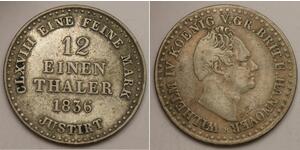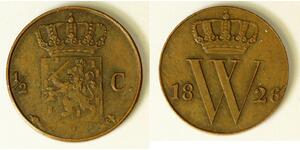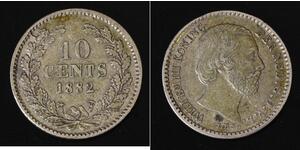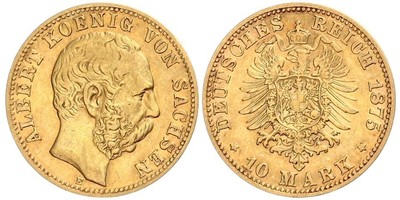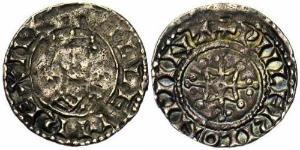
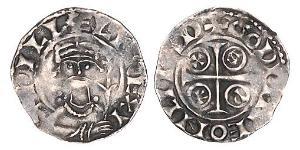
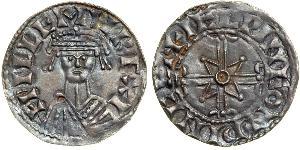
| William I (1027 - 1087) | Link to Wikipedia |
William I of England (c. 1028–1087): History and Coinage
Introduction
William the Conqueror stands as a pivotal figure in medieval history, marking the definitive transition from Anglo-Saxon rule to Norman governance upon his coronation at Westminster on Christmas Day 1066. His military campaign fundamentally altered the political landscape of Great Britain and reshaped continental power dynamics between France and England. For historians examining material culture, he represents not just a conqueror but an architect of new administrative systems that required physical mediums to assert legitimacy across his diverse territories.
Relationship to Coinage
During William's tenure as Duke of Normandy from 1035 onward and later King of England until his death in 1087, coinage served a critical function beyond commerce; it acted as royal propaganda disseminating new dynastic imagery. Upon becoming King in England following the decisive victory at Hastings, he replaced existing English silver penny types that featured Anglo-Saxon legends with coins bearing French names like WILLIAM REX and cross patterns typical of his continental background.
The transition period allowed local mints in Normandy under strict royal oversight to continue production using new dies featuring the king's image or inscriptions that emphasized loyalty, bridging the gap between English tradition and French administration during his final years in office. Coins were necessary because money facilitated governance through taxation and trade regulation among a newly conquered population.
Why Collectors Value These Coins
- The scarcity is driven by historical destruction during subsequent conflicts that targeted Norman holdings specifically under later dynasties which viewed William's lineage as a point of contention for centuries after 1087.
- Surviving examples provide tangible evidence of the technological shift from older weight standards to standardized royal minting practices introduced in his reign across Normandy and England alike.
- Furthermore, these issues are frequently studied within specialized collections focusing on early English history or European feudal currency where provenance can be linked back directly to historical records regarding mints established at Winchester during the consolidation of power by the Conqueror himself.
Understanding the historical context behind each piece allows enthusiasts to appreciate how physical objects communicate political dominance, making every worn silver penny a silent witness to one of Europe's most transformative conquests. For collectors seeking to understand early statecraft, these medals represent some of the oldest surviving examples where kingship was physically minted into metal.