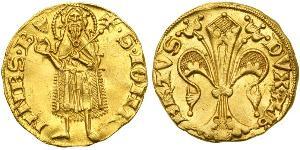
| Albert II of Austria (1298 - 1358) | Link to Wikipedia |
Albert II, Duke of Austria (1298–1358): History and Coinage
A Historical Portrait
Albert II, the Wise, stands as a pivotal figure in medieval Central European history. Born at Habsburg Castle in Swabia on December 12, 1298, he entered the public eye initially destined for the church before political circumstances redirected his path toward secular power. Following the death of Frederick the Fair in 1330, Albert assumed joint rule over Austrian and Styrian dominions at a critical moment of Habsburg expansion.
Beyond military conflicts with the Swiss Confederacy or rival claims from King John of Bohemia, his true legacy lies in administrative innovation. He transformed Vienna into a political center by initiating Gothic construction projects such as the Albertinian Choir at St. Stephen's Cathedral. Perhaps most significantly for future governance, he established the Albertinian House Rule to enforce primogeniture among his male heirs. This legal framework laid groundwork that persisted until 1918, defining the internal structure of Austria well into modern times.
The Numismatic Context
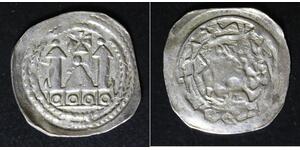
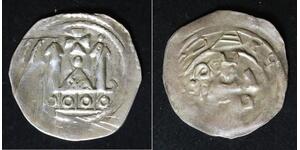
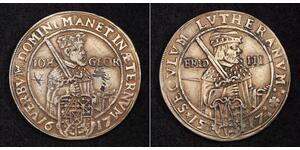
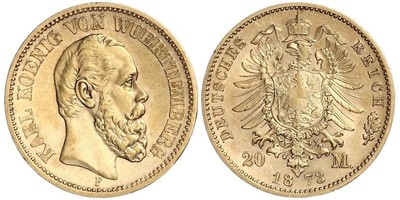
During Albert's tenure from 1330 to 1358, ducal coinage served as tangible proof of imperial sovereignty. The Habsburg dominions issued silver denarii and pennings that bore his titles across the counties of Austria, Carinthia, and Carniola.
- Issuing Authority: Coins were typically struck in Vienna or at authorized regional mints under Imperial sanction from Emperor Louis IV until 1347.
- Rationale for Depiction: The portraits on these coins reinforced the transition from feudal lords to hereditary dukes. They circulated alongside trade routes connecting Bavaria and Bohemia, signaling Albert's political alliances with France and England despite maintaining loyalty to Rome and Frankfurt-based emperors.
The Collector's Appeal
Museum-quality pieces depicting this duke offer a unique window into the early economic infrastructure of Austria. For collectors specializing in medieval numismatics, Albert II presents specific points of interest:
- Rarity and Survival: As with much late-medieval silver currency from southern Germany and Austrian lands, physical survival rates are low due to frequent re-minting or consumption into bullion.
- Ancient State Building: These coins document the era before centralization fully dominated Europe. They often feature heraldic devices preceding the unified Habsburg arms seen in later centuries.
Possessing a coin associated with Albert II connects enthusiasts to the foundational moments of Austria's national identity and the strategic maneuverings of the House of Habsburg during the Hundred Years War. The combination of historical administration, artistic style transitions from Romanesque toward Gothic in mint designs, and significant dynastic influence makes these items essential for understanding medieval economic history.