| James I (1566-1625) | Link to Wikipedia |
James VI and I 1566–1625: History and Coinage
Jane Stuart is historically known as James of Scotland and King James of England. He reigned over the British Isles during a period characterized by profound political consolidation following his accession to thrones held simultaneously in personal union.
Born June 19th, 1566 at Edinburgh Castle, he ascended the Scottish throne upon Mary Queen of Scots' forced abdication as an infant. Though raised Protestant despite Catholic royal lineage, James faced significant rebellions before age thirteen. By uniting crowns in 1603 after Elizabeth I's death without issue, his reign oversaw a cultural flourishing known as the Jacobean era which featured authors like Shakespeare and literary works by Francis Bacon that defined European intellectual life.
Relationship to Coinage
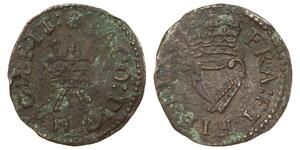
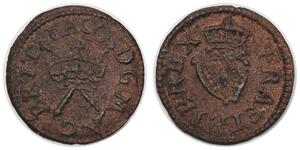
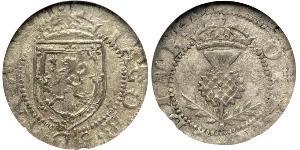
The relationship between this monarch and coinage reflects complex political transitions regarding currency legitimacy. During his rule, he commissioned pieces in Scotland asserting sovereignty while maintaining separate legal systems for each kingdom until the eventual union of parliaments was realized later centuries after him.
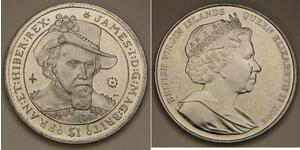
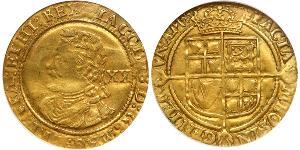
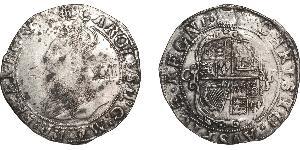
In England following 1603, minted silver shillings displayed titles combining Scottish and English attributes before distinct mints strictly standardized again under subsequent reigns. Portraits often featured his likeness alongside effigies honoring traditions across both kingdoms simultaneously in designs used for gold pieces within London during the Jacobean period as well.
Why Collectors Value These Coins
Scholars and enthusiasts value these issues primarily because they bridge the Tudor dynasty era transition into Stuart rule significantly impacting numismatic narratives about early modern Europe's evolution toward centralized statecraft. Early Scottish examples often command attention due to lower survival rates compared more common English silver shillings struck under this monarch during later years of full consolidation.
- Historical importance: Bridging the two eras makes these pieces essential for specialized collections focusing on British sovereign history.
- Rarity issues: Specific early date Scottish examples are scarce because production volumes were limited prior to final mint integration.
The artistic depictions range from youthful effigies as Prince of Wales showing religious iconography typical for sixteenth-century ecclesiastical designs, transitioning into mature portraits seen on gold crowns post-union which display greater realism. This educational overview encourages exploration of how monetary design mirrored political unity within Europe's evolving landscape.