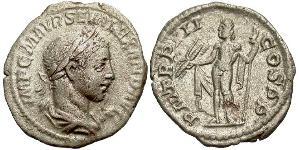
| Severus Alexander (208-235) | Link to Wikipedia |
Marcus Aurelius Severus Alexander (208 – 235): History and Coinage
The reign of Marcus Aurelius Severus Alexander marks a transitional period in late antiquity, bridging the era of relative stability following Trajan with the turbulence known as the Crisis of the Third Century. Born around 208 CE into an imperial family that held power through political marriage and strategic maneuvering by his grandmother Julia Maesa, he became emperor at just thirteen years old. His tenure ended abruptly in March 235 when soldiers conspired against him during times of military pressure from neighboring powers.
This young ruler is historically significant because his death signaled the end of an attempt to govern through diplomacy and legal reform rather than forceful expansion. He sought to restore traditional Roman values, improve judicial administration by employing jurists like Ulpian, and support religious tolerance that included rebuilding structures for various communities in Rome.
The Numismatic Record
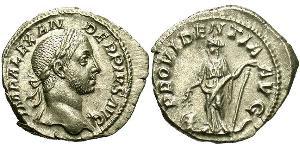
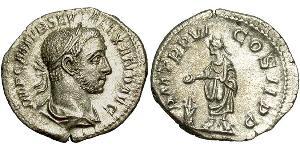
Coinage struck under Alexander served as the primary medium of communication regarding his economic policy. The mint produced denarii throughout his life to pay soldiers and fund public projects such as bathhouses and water infrastructure, which are still visible today. These coins were issued primarily by Rome but circulated across provinces where his portrait was stamped in gold or silver.
Coinage from this period is particularly valuable for understanding Roman state finances during a time of scarcity. Minters adjusted the metal content of their currency repeatedly; records show that the purity and weight of the denarius fluctuated over three years, moving between 43 percent to nearly fifty percent silver before his assassination.
Rationale for Collector Interest
Numismatists value these pieces not merely as objects but as physical evidence of a brief imperial attempt at reform. Collectors are drawn to Alexander’s coinage due to several distinct factors:
- Economic Context:
This historical context is preserved through the varying standards found on small surfaces of metal, offering a tangible connection to monetary struggles that occurred during his short reign.
The transition from peace to conflict makes issues minted during his first few years as sole emperor particularly desirable. These items allow one to examine the visual and material culture of a Roman youth who was forced prematurely into an adult role.
Possessing these pieces encourages exploration beyond market values, inviting enthusiasts to consider how small silver blanks carried weight in decisions that shaped centuries of European history.