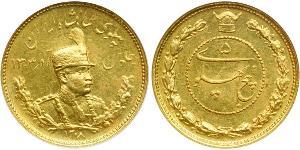
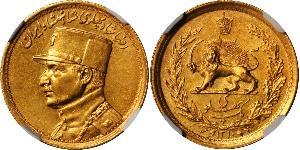
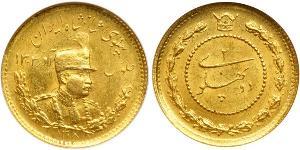
| Reza Khan Pahlevi (1878 - 1944) | Link to Wikipedia |
Rezā Shāh Pahlavi (1878 – 1944): History and Coinage
Introuction: A Unifying Force in Modern Iran
Narrative of the early 20th century reveals a pivotal transformation for Persia, driven by Rezā Shāh (born Reza Khan). Born into military tradition and rising through the ranks during a period of foreign intervention and internal chaos, he orchestrated one of the most radical state-building projects in modern history. Following his ascent to power amidst the decline of the Qajar dynasty, he established the Pahlavi dynasty with the specific intent of unifying a fragmented nation under a single national identity.
This ambitious ruler sought to transform Iran from an agrarian society into an industrialized power capable of resisting external influence. Through partnerships with German and Czechoslovakian firms during the 1930s, he modernized infrastructure while simultaneously centralizing governance. For history enthusiasts examining this era through numismatics, Rezā Shāh stands as the architect who transitioned Iranian currency from a tool of traditional sovereignty to an emblem of state-led industrialization.
The Numismatic Portrait
Currency under the Pahlavi Dynasty: State-Building on Metal
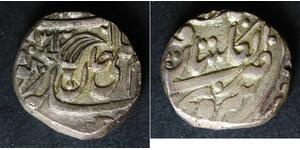
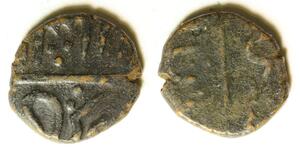
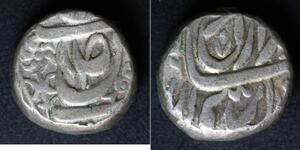
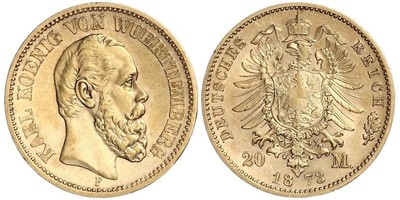
During Rezā Shāh's reign, coinage served as a critical medium for projecting his vision of a secular and modern state. While standard circulation coins initially utilized national emblems like the Lion-and-Sun to maintain continuity with tradition, later issues moved toward more industrial motifs influenced by Western engraving standards he championed.
The Bank Markazi (Central Bank) issued currency during this period that featured inscriptions emphasizing "The Shah of Iran" and the newly established Pahlavi dynasty. Collectors note a distinct shift in aesthetic quality; under his patronage, minting facilities were upgraded with technology similar to Škoda Works infrastructure projects used for railways. The presence of these new industrial designs reflected his administration's policy of detribalization—attempting to create a homogeneous national state that transcended local ethnic loyalties.
Because he abdicated shortly after the 1941 Anglo-Soviet invasion, coinage from this specific period is highly historically sensitive. Pieces struck before these foreign interventions capture a brief window where Iran was fully sovereign and aggressively modernizing under its first indigenous monarch in centuries.
Currency for Collectors
What to Look For: Rarity, Artistry, and Context
Serious collectors often focus on Reza Shah-era coins not merely as investment vehicles but as historical artifacts. The value of these specimens lies in their ability to document the rapid political shift that occurred within a single decade.
- Historical Context: Coins struck during this era link collectors directly to World War II geopolitics and Iran's struggle between British, Soviet, and American spheres of influence.
- Rarity Factors: Issues minted just prior to 1942 or those featuring early industrial motifs are often more scarce than later wartime re-issues. Understanding the historical timeline helps explain scarcity—many issues were melted down during currency stabilization attempts post-invasion.
In conclusion, Rezā Shāh's coinage represents a bridge between antiquity and modernization in Iran. By exploring these pieces, enthusiasts can appreciate how a single leader used physical currency to forge the foundation of the nation as we know it today.