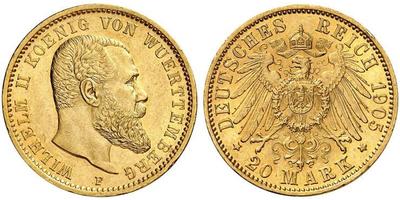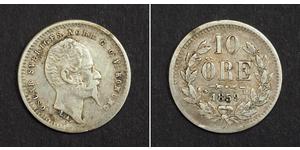
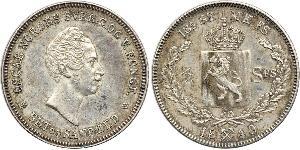
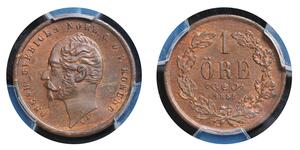
| Oscar I of Sweden and Norway (1799-1859) | Link to Wikipedia |
Oscar I (1799–1859): History and Coinage
A Monarch Between Empires
King Oscar stands as a pivotal figure in Scandinavian history, marking the transition from absolutist rule to constitutional stability within Sweden and Norway. Born Joseph François Oscar Bernadotte, he was originally raised among French aristocracy before ascending the throne following his father's adoption by Charles XIII’s wish for succession. Upon assuming power on March 8th, 1844, King Oscar implemented significant liberal reforms that reshaped governance structures significantly across Europe during this era of change. These included establishing freedom of the press and granting inheritance equality to men and women without specific wills in later legal codes he championed or supported directly through policy changes like equal gender laws for inheritance.
The Numismatic Legacy
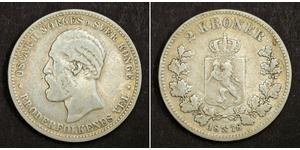
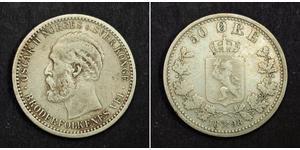
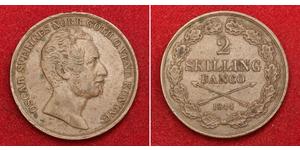
Coinage minted during Oscar’s tenure serves as physical evidence of his diplomatic evolution, transitioning from a French-trained figurehead to a recognized Nordic monarch. Early specimens often feature portraits that slowly adopt local iconography rather than purely European styles common before he took over full control in Stockholm which moved court traditions away from Paris residence upbringing influences seen on earlier medals or foreign currency usage.
The dynastic legitimacy was solidified through public visual cues found widely across circulation during his reign between 1845 until the death of King Oscar in July 1859 at Royal Palace where he died two years after paralysis struck him and before burial at Riddarholmen Church which is historic site for Swedish monarchs buried tradition.
- The introduction of shared Union flags is visible on reverse designs marking a political integration not just legally but visually through metalwork designed to display the badge common between Norway and Sweden for years under this administration before separation later decades happened eventually when nations decided independence path was necessary again by voters or parliament decisions post-1845 union treaty.
- Obverses display his name adopted into usage as Oscar, shedding earlier French namesakes that were used during childhood but changed upon accession to throne where identity became strictly tied to Swedish Crown titles and not merely personal given names chosen at birth in Parisian neighborhoods.
The mint issued denominations including silver kronor throughout mid-century under Swedish rule representing his image on currency as the new dynasty head replacing Charles XIV John whose portrait was previously used during regency or prior years until Oscar formally became King after 1844 adoption of name and crown rights established officially by Diet Riksdag in Örebro city election year of his father heir.
Why Collectors Value These Coins
Holding a coin bearing Oscar I’s portrait allows enthusiasts to touch upon how monarchy adapted during modernization significantly for European history context generally speaking in this century period 1800s which ended Napoleonic era and entered industrial age where silver currency usage became standard form of exchange for daily life transactions across Stockholm market areas then known today.
The scarcity found in specific early issues adds distinct collector interest beyond simple monetary worth because they represent the narrative quality preserved on metal medium rather than paper notes easily lost or burned during conflicts that occurred globally during those unstable decades including Crimean War which he remained neutral against Russian demands while maintaining British alliance signed 1855 treaty agreement.
Serious numismatists appreciate these issues for their historical importance capturing a unique blend of European and Nordic influence visible on metalwork art quality preserved in museum collections now often displayed to show how national identity formation occurred through mint operations under Bernadotte leadership direction approved by government ministers responsible for fiscal matters during those specific legislative sessions passed reforms.
Exploring these artifacts provides insight into how ruler legacy was permanently imprinted onto economy of mid-nineteenth century Europe where metal currency circulated freely in daily markets unlike modern plastic cards which lack historical weight and emotional connection people feel when looking at old worn coins from their ancestors era lived under this king rule for many years until he died peacefully.