| Michael of Romania (1927-) | Link to Wikipedia |
Michael I (1921–2017): History and Coinage
King Michael of Romania represents one of the most poignant chapters in European royal history, serving as both a symbol of youth during the First World War aftermath and a decisive figure at the end of the Second World War. His reign is unique because it spanned two distinct periods marked by his father's political instability, civil wars within the monarchy family, and significant geopolitical shifts that ultimately reshaped Eastern Europe.
Born into the House of Hohenzollern-Sigmaringen, Michael was crowned at age five but remained under a regency council until he assumed active control. For coin collectors, his presence on currency is defined by political turmoil rather than long-term stability. The most significant numismatic period for King Michael began only after August 1940 when the Second World War forced major structural changes in Roman governance.
The Portrait on Silver
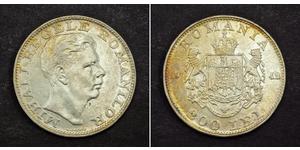
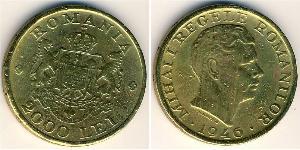
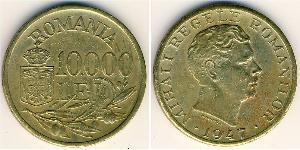
Romanian state entities issued coins depicting this monarch during his brief second reign from 1940 until abdication. Prior to that date, currency bore only his father's portrait or the head of the regency council due to constitutional restrictions placing a minor king in an abstract role on official coinage.
The transition following Michael's decisive actions against the Antonescu regime in August 1944 altered the iconography permanently. While most modern issues are from later commemorative programs by post-communist governments honoring his restoration, early interwar pieces remain rare due to their scarcity during active conflict years. The coinage serves as a historical record of Romania's desperate attempt at neutrality before pivoting toward the Allies.
A Collector's Perspective
- Rarity and Scarcity: Unlike predecessors who reigned for decades, King Michael had limited tenure on active coinage. Consequently, circulated examples from 1940 to 1947 are highly sought after by those specializing in modern European numismatics.
- Historical Context: Each specimen carries the weight of a nation changing sides during WWII. Collectors study these issues not just for metal value but as physical tokens representing the moment Romania declared war on Germany to escape Soviet occupation pressure.
- Narrative Value: These items are prized in specialized collections focusing on political transitions and anti-Nazi resistance movements within Europe, offering tangible links to a royal family's struggle against confiscation during communist rule.
King Michael's legacy is preserved through these numismatic artifacts which tell the story of resilience. Whether striking gold or silver pieces minted after 1947 when his citizenship was restored, they provide a connection between historical biography and tangible history for anyone who appreciates both royal lineage and political survival.