| Haile Selassie | Link to Wikipedia |
Haile Selassie I (1892–1975): History and Coinage
In the rich tapestry of African imperial history, Haile Selassie stands as a towering figure who redefined Ethiopia's place on the global stage. Born Ras Tafari in 1892 within the Hararghe province, he ascended to become Emperor following the death of his mother-in-law, Empress Zewditu. His reign lasted from 1930 until the mid-1974 coup d'état, marking a tumultuous but transformative period.
Selassie was not merely a monarch; he led Ethiopia through its most perilous conflicts and modernization efforts of the era. He abolished slavery in 1942, championed non-alignment during World War II, and became the first African head of state to address the United Nations in 1960. His leadership extended beyond borders as the founder chairperson of the Organisation of African Unity in Addis Ababa. For history enthusiasts studying mid-century Africa, his legacy is defined by sovereignty gained against fascist aggression and a commitment to pan-African unity.
Sovereignty and Currency
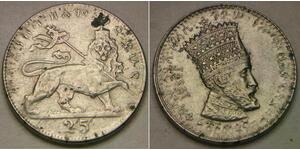
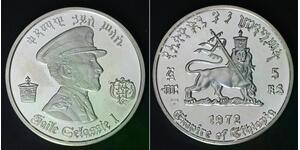
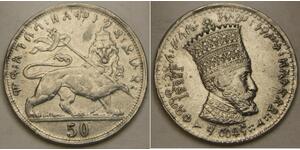
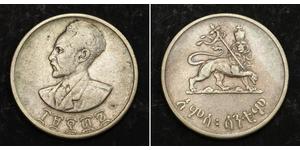
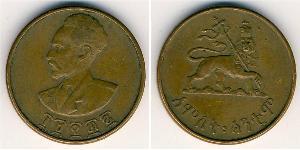
The numismatic connection begins with the restoration of Ethiopian dignity after Italian occupation ended during World War II. While circulating metal coins were rare in Ethiopia at this specific historical juncture, paper currency issued by the Bank of Ethiopia became a primary medium for collectors to study Selassie's image.
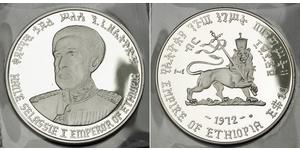
Collectors often analyze pieces from 1942 onwards when he officially took full control after his return from exile. These currencies displayed portraits that signaled independence from colonial economic influence and aligned with modernizing reforms within the empire. Following his ouster by the Derg regime in 1975, new state imagery was introduced to suppress imperial icons. However, for collectors seeking historical continuity, posthumous commemorative releases issued after 2004 restored his name to public discourse.
Piece History and Collector Appeal
The value of pieces featuring Selassie in a collection often stems from their connection to pivotal geopolitical moments rather than mere scarcity. A note or token bearing his likeness represents the era where Ethiopia successfully integrated into international diplomacy while maintaining ancient traditions.
- Narrative Significance: Each piece serves as a document of Ethiopian resistance and diplomatic success on an African continent seeking independence from European empires.
Coin collectors interested in statecraft will appreciate the design elements that blend traditional Solomonic iconography with Western artistic influences introduced during his reign. These artifacts allow enthusiasts to hold tangible proof of a leader who fought both external fascism and internal modernization challenges. Ultimately, exploring these items provides insight into how Ethiopia navigated decolonization without becoming economically dependent on former colonial powers.
This collection focus encourages buyers to look beyond the market price for historical context. Understanding the story behind the currency enriches the collector's perspective of African resilience during a critical era in global history.