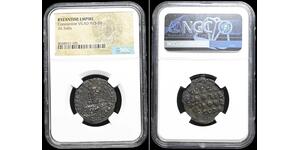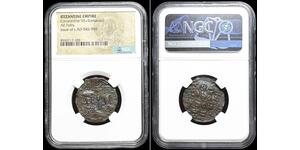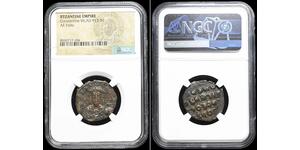
| Constantine VII (905 -959) | Link to Wikipedia |
Constantine VII Porphyrogenitus (905–959): History and Coinage
In the grand tapestry of Byzantine history, few figures command as much intellectual curiosity or historical intrigue as Constantine VII Porphyrogenitus, who ruled between 913 and 959. The epithet "Porphyrogenitus," meaning born in the purple, signifies his supreme legitimacy; he was not merely a ruler but an heir consecrated at birth within the imperial palace's sacred chamber of porphyry. While history remembers him for surviving decades of regency under powerful ministers like Romanos Lekapenos and for eventually securing power as sole emperor, the historical significance of Constantine VII extends far beyond mere chronicles of conquest.
The Emperor was a profound scholar who preserved Greek learning during an era when classical texts were often deemed heretical or forgotten. His written works, such as *De Administrando Imperio* and *Geoponika*, offer invaluable windows into the Byzantine administrative structure and agricultural economy. For the historian, these manuscripts are treasures of humanism; for a collector viewing his coins, they add layers of meaning to every portrait. Unlike military conquerors who stamped their authority with aggressive imagery on coinage, Constantine VII’s era is characterized by cultural consolidation. His reign represents a transition from martial instability to scholarly restoration.
The Numismatic Portrait
To understand the numismatics of this emperor, one must appreciate the unique political landscape that shaped his image on copper and gold currency. Coins were essential diplomatic tools in the Byzantine world; they circulated as part of statecraft, accompanying envoys to caliphs or Holy Roman Emperors like Otto I.
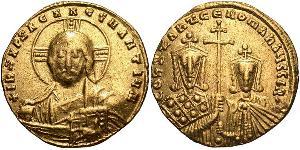
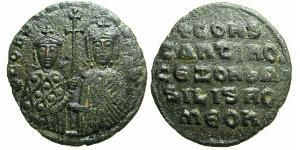
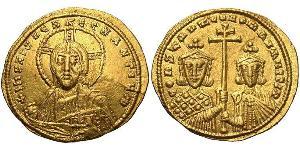
- The Co-regency Context: During much of Constantine VII's youth and early adulthood (920–945), the coinage bore his name alongside that of Romanos Lekapenos. Collecting these issues offers a tangible record of how power dynamics shifted from one ruler to another without civil war.
- The Sole Rule: Once he deposed his in-laws and took full control (945), the currency reverted strictly to the imperial standard, emphasizing stability after years of shared rule. His later issues were designed with dignity rather than martial aggression, reflecting his focus on peace negotiations that allowed the empire to recover lost territories in Syria.
A Collector's Perspective
While Constantine VII does not command the volume of a Justinian or Heraclius in general ancient collections, they hold profound value for specialists focused on late antique and medieval Byzantine history. Collectors are often drawn to these issues because they provide physical evidence of a dynasty's transition—moving from minority rule under Lekapenos regents to independent imperial sovereignty.
The artistic quality remains consistent with the high standards of Constantinople, as Constantine had overseen major court ceremony reforms documented in his own writings. However, finding examples is often rare; surviving specimens represent a fragile moment when an emperor's name was being reclaimed from that of powerful ministers who effectively ruled him.
In short, acquiring or studying these coins allows one to touch the tangible remnants of Constantine VII’s legacy—a time when power in Constantinople belonged not just to swords and soldiers, but also to scribes and diplomats. It is a fascinating chapter where coinage served as both currency for trade and propaganda for an enlightened court culture.