| Alexios III Angelos(1153 -1211) | Link to Wikipedia |
Alexios III Angelos (c. 1153 – 1211): History and Coinage
Alexios III Angelos stands as a pivotal figure in Byzantine history, marking the transition between imperial stability and Latin domination before the fall of Constantinople. Ruling from March 1195 until July 1803, his reign was characterized by political intrigue involving blindings and imprisonments that destabilized an empire already facing economic decay. For historians, he represents a tragic chapter in Greek sovereignty; for numismatists, his currency bears witness to the chaotic final moments of traditional rule before foreign powers restructured trade within the region.
The Relationship Between Alexios III and Coinage
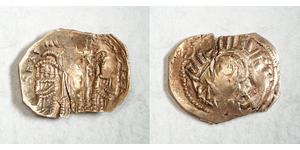
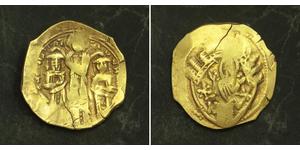
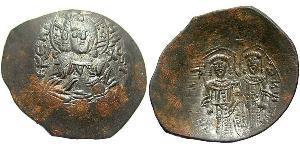
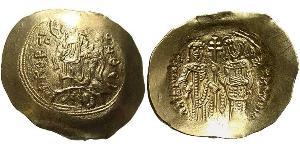
Coinage was issued by the Byzantine Empire under this emperor primarily during periods from 1195 up until his flight in 1203. As ruler, Alexios utilized gold solidi to pay soldiers and manage state debts incurred through tribute demands such as those imposed by Henry VI of Germany. These coins were not merely payment tools but instruments of imperial propaganda designed to maintain legitimacy amidst a crumbling treasury. The artwork on these pieces typically features the emperor's likeness in traditional regalia intended to reassure a populace weary from internal strife.
The historical circumstances surrounding this era involved constant pressure from external forces like Venice and Hungary, which impacted minting schedules due to war and financial exhaustion. Collectors often seek coins struck near 1204 because they bridge the gap between established Greek administration and the Latin Empire that followed the sack of the city in May of that year.
The Value for Modern Collections
Educational value remains paramount when viewing these artifacts. Collectors prize Alexios III issues due to their rarity relative to earlier Roman periods found at auction houses, as surviving examples from this late era are often scarce and fragile.
- Rarity: Fewer specimens survive compared to earlier Komnenos dynasty coins because of the subsequent wars involving Crusaders who melted down existing stock for transport supplies.
- Historical Connection: Each coin serves as a tangible link between an emperor facing deposition by his nephew and the eventual fall of Constantinople, providing narrative depth that metal value alone cannot convey.
The historical context behind each gold piece allows enthusiasts to understand how currency functioned during political crisis. While deposed emperors rarely appeared on official posthumous coinage for practical utility, Alexios III's reign issues remain significant in specialized collections as they document the transition from medieval tradition to late antique styles before Venice reorganized the economy of the region.