| Aelia Flaccilla (?-385) | Link to Wikipedia |
Aelia Flaccilla (died 386): History and Coinage
Aelia Flaccilla stands as a defining figure of Late Antiquity, bridging the gap between classical Rome and the emerging Byzantine Empire. As the first wife of Emperor Theodosius I, she was not merely a consort but an active political participant whose faith significantly influenced imperial orthodoxy during a turbulent era marked by civil unrest and shifting religious landscapes.
Her historical importance extends well beyond her lineage; Flaccilla played a crucial role in securing Nicene Christianity within statecraft following the devastating Battle of Adrianople. She actively intervened to protect Emperor Theodosius from radical Arian influences, specifically preventing theological conferences with leaders like Eunomius of Cyzicus. This stance cemented her legacy as Augusta, whose patronage helped stabilize the Church against dissenters and solidified her reputation for personal charity.
Relationship to Coinage
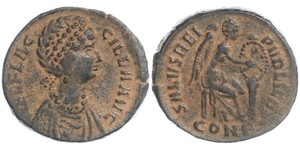
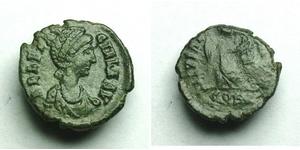
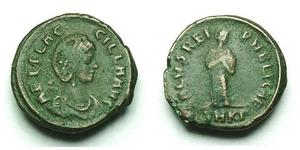
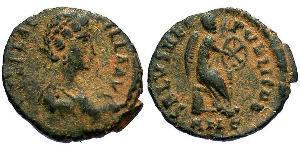
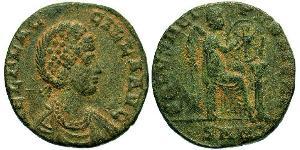
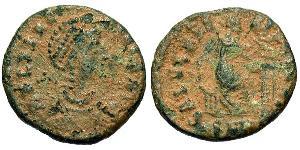
Coin bearing Flaccilla's name or likeness circulated primarily through Roman and Constantinopolitan mints from 379 until shortly after her death in 386. While female portraits are less frequent on imperial gold issues of this period compared to their predecessors like Constantine's daughters, Flaccilla's identity appears prominently on silver denarii and aurei minted across Gaul and Italy.
These monetary artifacts often bear the legend AELIA FLACILLA, emphasizing her maternal piety over martial conquest. Posthumous types also exist where she is honored following his passing until a successor secured their memory against time and religious fragmentation. Collectors will find that these issues typically carry mint marks associated with Rome or Gaul, distinguishing them from later imperial iconography found in the medieval era.
Why Collectors Value These Coins
For the enthusiast seeking ancient currency from this transitional period, coins of Flaccilla offer rare access to private devotion reflected in public policy. The numismatic community prizes these pieces for two primary reasons: scarcity and symbolic weight.
- Rarity: Authentic issues featuring her portrait or legend are extremely limited due to the short duration of her reign as an Augusta before her passing shortly after birth of Pulcheria, limiting production runs across specific mints.
- Spiritual Context: These coins represent one of the earliest attempts to visualize imperial womanhood through Christian imagery rather than purely dynastic lineage. The subtle shift toward religious iconography distinguishes them from earlier pagan types seen on Republican or High Imperial issues.
Beyond monetary value, these artifacts provide tangible proof that her influence extended into physical art alongside administrative decrees. Exploring coins of Flaccilla allows modern observers to examine the very first Christianized empress who served as a pillar for justice during the final centuries of classical antiquity.