| View |

 Zambia (1964 - )
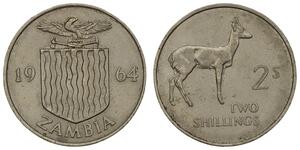
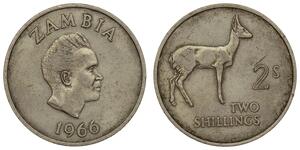
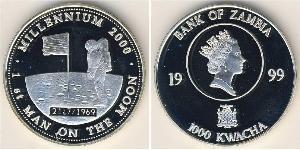
| Zambia (1964 - ) | Link to Wikipedia |
Zambia: History, Coinage and Collectibles
Historical Background
To understand the monetary soul of Zambia is to trace the flow through its rich copper veins. The territory known historically as Northern Rhodesia emerged within a vast landscape that stretched across Southern Africa during the late nineteenth century. Early exploration was driven by traders seeking mineral wealth, which eventually led British administration and the establishment of a railway system designed primarily for moving ore rather than general passenger transport.
The economic engine turned on copper mining, transforming what began as scattered colonial holdings into an industrial power house within the region. Trade routes were established to link the hinterlands with coastal ports in South Africa and beyond. This reliance on mineral export created a robust economy that required stable currency mechanisms to facilitate international trade.
In 1964, Northern Rhodesia gained independence as Zambia. The shift from colonial rule brought new political dynamics but kept the economic focus firmly centered on natural resources. Unlike regions driven purely by agriculture or services, this territory thrived on global commodity markets. This historical context is vital for collectors because it explains why early currency issues often bore marks of mining prosperity and imperial transition.
Currency and Coinage History
The monetary evolution in the region began with currencies circulated by neighboring colonies under British rule. The standard system followed the Sterling pattern, utilizing pounds, shillings, and pence similar to those found throughout Britain and its empire during that era. As independence approached, there was a distinct desire for sovereignty over economic representation.
In 1967, significant reforms were enacted as part of the transition period where decimalization began. This marked the replacement of pounds with the Zambian dollar divided into units representing smaller value coins and banknotes. The move to a new currency structure was designed to align Zambia's economy with global market standards while reflecting its unique national identity.
During this era, coinage evolved from being mere tools for commerce to becoming artifacts of history that told the story of liberation and resource wealth. Early issues often displayed British designs or symbols representing colonial rule before transitioning into distinctively Zambian imagery upon full independence.
Mints and Coin Production
Coin production in this region involved both overseas facilities for initial minting during the colonial period followed by arrangements to produce local currency later. While early circulation coins were often struck at mints within London, as trade volume grew so did demand for higher quality finishes or localized casting.
The Bank of Zambia oversees current issuance but also managed legacy stock from various periods when oversight passed between British control and independent management. Traditions established during the colonial era regarding high-strike precision on these coins continued even after independence was secured in 1964.
Notable Coins
The most sought-after pieces for serious numismatists are those celebrating national sovereignty from Independence Day. These issues were designed to feature the new flag and coat of arms that symbolized liberty, featuring a golden eagle carrying an olive branch which reflected both peace and strength.
Certain commemorative sets produced later featured images derived directly from local wildlife found within protected game reserves like Kafue National Park or Lake Kariba. These designs highlighted Zambia's conservation efforts alongside economic themes.
The early circulation pennies often depict agricultural scenes transitioning toward modern industry, representing how the economy was shifting during post-independence development phases. Collectors value these for their historical context regarding infrastructure growth and rural prosperity.
Cultural Legacy
Zambian coinage serves as a tangible record of national identity that reflects pride in natural resources rather than conflict or conquest designs found elsewhere during similar eras globally.
- The use of native wildlife imagery underscores conservation ethics and environmental stewardship embedded deeply within the culture since early days of colonization when reserves were established.
- Numerals often appeared alongside symbols denoting local languages or traditions that helped bridge cultural gaps during industrialization efforts in mining towns along major rail lines.
This emphasis on nature and industry mirrors a broader societal structure where land ownership rights are respected, which is visible even when examining older banknotes now collected as part of the coinage narrative history today. The copper element specifically often appears metaphorically to connect ancient mining traditions with modern currency production practices.
The design choices made reflect how society valued its citizens' connection to both earth and nature rather than purely industrial output alone, which is rare in numismatic circles globally where heavy industry symbols dominate many early coinage histories elsewhere. This approach makes them particularly special items for those who study cultural economic transitions through monetary artifacts.
For collectors
Zambian coins offer a fascinating glimpse into the transition of Southern African economies from colonial dependency to independent industrialization during the mid-twentieth century. They provide tangible evidence of political stability, resource wealth management and environmental respect that continues today through conservation programs linked directly back to these early designs.
Rarity plays a significant role here as many high grade examples remain scarce because heavy production cycles were often followed by inflation or policy shifts common in developing economies during the 1960s era. Collectors find immense value not just for metal content but also due to scarcity of specific proof sets and circulation strikes that showcase this distinct national character without modern political controversies affecting their historical standing.
The enduring appeal stems from how these coins encapsulate a story of mineral wealth transforming into economic independence while honoring wildlife heritage. Whether studying early decimalization issues or collecting later commemorative marks featuring elephants, rhinos, birds and landscapes, the collection journey offers an educational pathway through African history that enriches understanding beyond simple monetary valuation metrics.
In conclusion, these artifacts stand as enduring monuments to a nation built on copper but defined by nature. They invite exploration into how currency can tell stories of liberation resilience and identity within global trade networks making them essential pieces for any comprehensive collection focused on Southern African numismatics or colonial transition topics worldwide today.