| View |
| preceded by | |
|
|||||||
 Southern Rhodesia (1923-1980)
|
|||||||

| succeeded by | ||||||
|


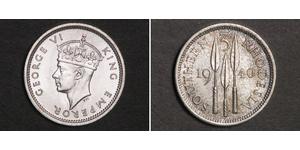
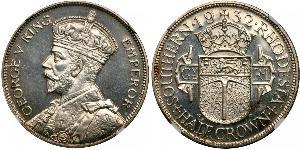
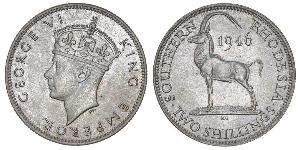
| Southern Rhodesia (1923-1980) | Link to Wikipedia |
Southern Rhodesia: History, Coinage and Collectibles
Welcome to a journey through the legacy of Southern Rhodesia, where history is preserved not only in books but stamped into metal under the eyes of kings and queens long gone.
Historical Background
To understand the monetary narrative of this region, one must first appreciate how it came to be. The story begins with explorers like David Livingstone trekking through lands inhabited by powerful indigenous kingdoms, seeking new trade routes and water sources that would eventually reshape global commerce.
In 1895, following a series of treaties signed between local chiefs and the British government via agents in London, the region was established under the administration of the British South Africa Company. This era marked a pivotal shift from tribal autonomy to formal colonial rule. As mines were discovered near Bulawayo and gold deposits began flowing into banks by 1903, the economic landscape transformed rapidly.
The agricultural boom that followed turned farmers in Mashonaland into significant players in regional trade networks connecting South Africa with East Africa. With wealth accumulating, the need for a stable monetary system became urgent to facilitate commerce across vast distances. By the time formal governance structures solidified leading up to independence negotiations, Southern Rhodesia had transitioned from a company-run territory to self-governing status within the British Commonwealth.
This evolution of statehood deeply influenced how money was perceived and minted in public eyes. As local industries flourished during mid-century economic growth spurts driven by tobacco exports and mining ventures, the populace began demanding greater representation over their own currency imagery. This tension between imperial tradition and national identity is what defines much of the history preserved within these collections.
Currency and Coinage History
The monetary system evolved in tandem with colonial policy changes for decades. Initially, the territory operated under sterling standards where silver sovereigns circulated alongside standard British coinage imported from abroad. However, local demands necessitated a distinct currency to match specific trade requirements.
Throughout much of the twentieth century, denominations were tied closely to international currencies or used in conjunction with gold bullion reserves before moving toward paper notes backed by government stability laws introduced mid-century. This period of adjustment was critical for collectors because it represented the era when a young colony found its economic footing independent from imperial control.
The transition involved carefully crafted decisions on which metals to use and how best to depict local leaders without losing connection with traditional British symbols like crowns or portraits. Collectors often note that early copper issues were produced in small numbers due to limited demand, while gold coins circulated less frequently but remained highly prized by investors holding foreign assets.
The shift toward independence changed these dynamics further, moving the region from Crown Colony status directly into an autonomous republic structure before achieving full nationhood later. Coinage systems adapted rapidly during this period of change as designs were updated to reflect both continuity and innovation within a changing political climate without disrupting trade for everyday citizens.
Mints and Coin Production
The production centers responsible for bringing these pieces into circulation are central to their value today. Although many coins bore the image of royalty from London or other major mints across Europe, the design process often involved local artists commissioned by colonial administration officials who understood regional aesthetics better than metropolitan designers.
Royal mint facilities typically handled bulk production during early periods when infrastructure was developing in partnership with British manufacturers ensuring quality control matched international standards. In later decades, specialized proof strikes were authorized for commemorations requiring higher detail levels on the reverse side or obverse faces depicting wildlife landmarks famous across the continent at that time.
The artistic characteristics distinguish these issues sharply from other Commonwealth colonies since they utilized unique alloy blends intended to resist wear in rural outposts where circulation patterns differed significantly. Artistic choices often favored high-relief dies allowing for detailed animal features on reverse designs or specific flora representations used to celebrate local biodiversity rather than just royal regalia found elsewhere.
The minting traditions established here emphasize durability as a primary factor because rugged conditions required coins capable of surviving rough usage patterns in mining towns and agricultural markets where transport routes were underdeveloped. Consequently, many pieces show heavy circulation wear but retain distinct features due to robust construction methods adopted during production phases aimed at practical utility rather than pure ornamental value.
Notable Coins
The centenary of local governance produced a remarkable series widely collected by enthusiasts seeking commemorative issues marking significant dates in regional history. One prominent coin features high-relief detailing that captures the rugged beauty of wildlife native to surrounding landscapes, often struck with exceptional craftsmanship reserved for proof sets sold directly through government channels.
Jubilee commemorations during royal visits featured special designs printed on larger denominations meant to honor visitors while celebrating national progress achieved over previous decades. These particular examples hold historical importance because they mark specific moments when local populations gathered to welcome monarchs who represented stability and continuity amidst rapidly changing times globally.
The florins minted for gold trade purposes were designed specifically for international transactions with other African nations where currency exchange was handled frequently due to regional instability affecting paper notes. While often confused with similar pieces from neighboring territories, the metal content proved distinct under microscope analysis used by professional numismatists today when examining surface quality or wear marks.
Rare copper cent issues circulated widely but were subject to high demand leading to low survival rates in pristine condition. Collectors prize these most for their historical significance representing early local government authority where limited resources constrained mass production capabilities significantly during that time frame before infrastructure improvements expanded output volumes dramatically throughout mid-century periods.
Cultural Legacy
The coinage reflects a culture deeply rooted in respect for nature combined with loyalty to the Crown prior to independence movements gaining momentum across Africa generally. Wildlife depictions often appear on reverse sides alongside local plants symbolizing deep connections between landowners and ecosystems that sustained communities economically through livestock grazing or agriculture cycles tied closely together.
Symbols chosen deliberately avoid controversy by focusing instead on shared heritage linking past colonial administrations with future independence movements aiming to preserve unity among diverse populations sharing common goals. Religious motifs found occasionally in background designs reference Christian traditions practiced widely while secular symbols represented civic duty expected from citizens contributing taxes and services supporting state functions effectively.
Rulers depicted maintained consistent iconography throughout reign changes reflecting respect for constitutional monarchy systems that governed affairs until final transition toward republican governance structures later established after decades of gradual reform movements initiated by political leaders advocating change peacefully without conflict or violence disrupting trade stability needed daily operations required to function properly everywhere across territory boundaries.
For collectors
The historical significance remains immense for hobbyists worldwide seeking tangible pieces preserving memories from an era when Africa was redefining its role on world stage under changing geopolitical circumstances affecting all continents. Investment potential exists where rarity meets aesthetic appeal offering opportunities to own artifacts linking personal interest in history with broader context shaping modern nationhood concepts today.
Careful study of surface details helps identify authentic issues among fakes produced later when demand surged following international recognition increasing visibility globally for these historically important specimens from previous generations who crafted them specifically for local markets serving both practical needs and ceremonial purposes alongside standard currency used by everyone regardless of economic status or profession defined their social standing within community structures.
The enduring importance stems directly from rarity combined with educational value allowing anyone owning one piece to understand vast complexities defining how societies evolve over time through careful management resources responsibly while maintaining connections linking people across generations separated only by decades distance now bridged easily thanks to modern technology connecting collectors globally together celebrating shared interests in numismatics.