
| View |
| preceded by | ||||
|
||||


 Saarland
| succeeded by | ||||
|

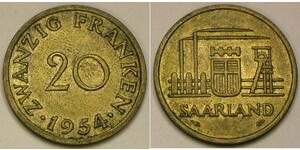
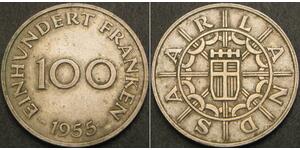
| Saarland | Link to Wikipedia |
Saarland: History, Coinage and Collectibles
Historical Background
Nestled in the rugged southwest corner of Germany, Saarland stands as a testament to one of Europe’s most volatile frontiers throughout history. Defined by its position along the Franco-German linguistic border, this region has long served as a strategic hinge between two major powers. The land itself is rich in mineral wealth, specifically coal and iron ore deposits that drove industrialization from the nineteenth century onwards. This economic potency meant that control of Saarland was never merely political; it was an economic necessity for both Berlin and Paris.
The history of the region dates back to Roman times when Celtic tribes settled the lands before the empire made it part of Belgica in 1st-century BC rule. While later divided among various duchies like Nassau-Saarbrücken, the area remained a contested prize until industrialization cemented its value. During the nineteenth century, this became increasingly visible following Franco-Prussian conflicts and subsequent annexations into the German Empire after 1871. The twentieth century would bring profound changes for any observer of numismatics: the region was occupied by French mandates in 1920 during the post-WWI era.
The narrative is one of shifting sovereignty, a phenomenon that heavily influenced daily life and commerce. Following World War II, it became part of an international zone governed first directly by France before eventually rejoining West Germany under the Federal Republic status starting from January 1957. This unique political limbo meant that citizens lived through multiple monetary regimes within a single lifetime.
Currency and Coinage History
The evolution of money in this borderland reflects its oscillating allegiance to Paris or Bonn during the modern era. During its brief independence following World War I, under a League of Nations mandate administered by France, French currency often circulated alongside locally issued denominations intended for specific regional stability efforts.
A significant turning point occurred after 1947 when it was established as an autonomous region within German territory but remained outside direct administration. This status necessitated its own monetary identity to distinguish the economic reality of a state that felt legally separated from Berlin while culturally remaining tied to the broader Reichsland system.
The period between 1950 and the late 1960s is particularly noted for specialized coinage used within this protectorate status. The currency utilized during these years, often featuring its own distinct name or emblematic stamps over standard notes, provided a tangible link to its unique legal standing.
Following reunification efforts in the mid-1950s through 1963 and rejoining West Germany, monetary systems converged on Deutsche Mark standards. However, collectors often find interest in early transitional pieces where older denominations were phased out or new overstriking occurred to bridge administrative gaps between French oversight and German statehood.
Mints and Coin Production
Unlike the major industrial states with dedicated coin production facilities, this region relied on central mints for much of its official currency during times when it lacked full sovereignty. During periods of administration by France or under League mandates, coins were frequently produced at Parisian houses before being circulated as local tender.
The artistry found in pieces from these years often reflects a synthesis of German and French influences. While minted elsewhere physically, the administrative oversight was handled locally through specialized commissions who directed design choices to reflect regional pride rather than purely foreign rule. This is evident even when the coins were struck at central facilities; they bear local hallmarks or overstriking that signal their provenance.
The technology used often mirrored standard European practices of the time, utilizing relief designs and specific metals suited for low-volume distribution which was necessary due to smaller population density compared to major industrial rivals. The production centers were rarely localized in this small area until full integration into national systems occurred, making the actual physical minting a logistical exercise rather than an artistic hub within Saarland itself.
Notable Coins
Fine collectors look specifically for pieces bearing local names or unique legends that separate them from generic German issues. One category of interest involves banknotes stamped with French seals during the 1950s, serving as a legal tender bridge between protectorate status and full sovereignty.
- The Saar Protectorate Issues:
During the occupation following World War II until its final integration into West Germany in late 1956 or early stages of currency change, distinct pieces were authorized by French authorities. These items are significant because they mark a time when local economy was independent despite geopolitical constraints.
- The Transition to Deutsches Mark:
Coinage from 1958 and onwards features designs that align with the Federal Republic, yet often carry specific state markings. The design elements usually included local landscapes or historic symbols representing coal mining heritage.
- Commemorative Issues:
Limited strikes related to regional anniversaries provide high value due to low mintage numbers. These pieces serve as historical markers, capturing the cultural memory of a people that navigated two major languages and currencies simultaneously.
Cultural Legacy
The monetary symbols adopted in this region tell a story of resilience. Designs often featured landmarks like fortress ruins or industrial smokestacks against rolling hillsides, grounding national identity in physical geography rather than just political decree. This artistic choice was meant to reassure populations that despite the shifting sovereignty and mandates from abroad, their local heritage remained intact.
The currency also bore symbols related to mining guild traditions which were essential for social cohesion among coal workers who historically drove the region's prosperity. These motifs link modern collectors back to a population defined by hard industrial labor where wealth was extracted directly from earth.
For Collectors
This state remains an important subject in numismatic research because of its unique position as a transitional economic zone within Europe rather than a standard sovereign entity. Its coins carry high narrative value for those seeking pieces with historical complexity and stories of post-war occupation, diplomatic negotiation between nations, and eventual cultural reunification.
The scarcity often comes from limited production runs during the mandate period or special commemorative issues that were released in small numbers to celebrate local integration milestones. Because these items are tied directly to a specific geographic entity that had its own currency history separate from broader national narratives, they offer distinct educational opportunities regarding how economic independence functions even within established political boundaries.
Rarely seen pieces with overstriken legends or specialized French seals provide excellent material for study of mid-twentieth century international monetary diplomacy without referencing modern political friction. The interest in these collectibles continues to grow as enthusiasts appreciate the tangible history embedded in metal used by a population that lived through two world wars and multiple shifts in sovereignty.