| View |

 Newfoundland and Labrador
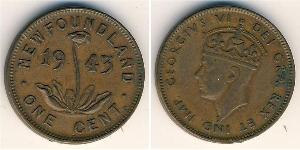
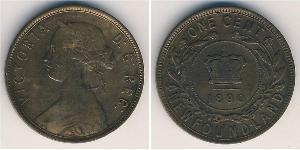
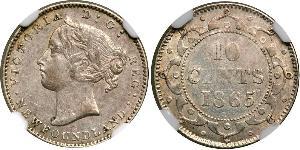
| Newfoundland and Labrador | Link to Wikipedia |
Newfoundland and Labrador: History, Coinage and Collectibles
Historical Background
The history of Newfoundland and Labrador reads like a maritime chronicle of isolation and resilience that set it apart from its northern neighbors for centuries. Before the arrival of European explorers in the fifteenth century, vast tracts of land were inhabited by indigenous peoples whose cultural footprint is deeply woven into the region's identity today. When John Cabot anchored along these shores under King Henry VII’s commission, a new chapter began that was defined less by continental expansion and more by coastal isolation.
Northern America often developed as an extension of British or French administrative maps, but Newfoundland stood out for its unique governance trajectory. For most of the modern era until 1948, it existed not merely as a colony under direct imperial control but frequently operated with distinct autonomy that baffled standard geopolitical models. Its economy was almost entirely tied to two volatile industries: fishing and whaling. Consequently, trade routes were dictated by ocean currents rather than overland roads, creating a closed system where monetary circulation could evolve in ways disconnected from the mainland.
This historical trajectory shaped everything regarding commerce. Unlike neighboring regions that rushed toward decimalized currencies following American or French precedents, Newfoundland clung to traditional British imperial measurements and coinage for generations longer than expected. The political decision-making process within St. John’s often prioritized local economic autonomy over metropolitan mandates until the pressures of global conflict and a need for fiscal alignment with Canada made unification inevitable. For numismatic historians, this period is golden dust in time: it represents one of the few North American territories that did not fully join Confederation under an earlier schedule but maintained its own identity right up to the mid-twentieth century.
Currency and Coinage History
The evolution of money in these islands was a slow burn. Initially, British Crown coins circulated freely throughout colonial outposts from England until they were worn smooth by the hands of fishermen and fur traders alike. The currency system followed sterling standardization long after Canada had adopted its own dollar coinages. This meant that for centuries, a transaction made on the coast relied entirely on sovereigns or shillings arriving on supply ships.
The introduction of paper money marked a significant turning point in local history and economic necessity. Private banking entities issued notes to handle seasonal fluctuations caused by fishing seasons and shipping delays during winter storms. Unlike modern central banks which strictly regulate issuance, the early monetary system here was fluid and responsive to immediate merchant needs. This created an environment where collectors often find unique varieties of banknotes that were never intended for broader circulation.
Eventually, following World War II, as Newfoundland’s desire for self-governance became undeniable on a political stage globally, the currency had to reflect this new reality while respecting old ties. The transition period involved carefully managing exchange rates between local sterling-backed notes and foreign coins that were already entrenched in daily life at trading posts.
Mints and Coin Production
Few collectors realize there was no mint facility established within the territory during its early sovereign status comparable to those seen across Europe or even mainland North America. The production centers remained strictly on British soil, utilizing London facilities that managed multiple colonies at once.
This reliance on foreign mints had a unique effect on numismatic study. While other dominions saw their own distinct dies struck by local artisans every year, Newfoundland relied upon standard designs from the Royal Mint or subsequent arrangements with private die-engravers in Canada who adapted them for use during transitional decades.
- Lack of local minting facilities meant most coins were British imports repurposed legally.
- Occasional overstrikes and specific denominations struck by contract mints added scarcity factors.
- The artistry relied upon established colonial themes such as marine fauna, ships, and indigenous heritage.
This practice ensured that even when local designs were authorized—such as those depicting the great seal or regional landscapes—the physical striking occurred across Atlantic waters. The logistics of this system created an interesting dynamic where coinage quality varied based on whether a shipment arrived fresh from London or circulated second-hand among trading partners before finding legal tender status locally.
Notable Coins
Certain pieces stand out within the broader catalogue not for their metal content alone but because of what they represent. The silver half crown issues that were struck early in colonial administration are prized by collectors today. These coins bear the hallmark of a distinct era where local identity was strong enough to warrant specific attention from imperial mints even when official permission was limited.
Another category worthy of serious study involves commemorative tokens used during periods of economic hardship before full integration with Canada. Many were struck in private die houses and utilized for trade among isolated settlements that lacked access to fresh British shipments due to weather conditions. Their surfaces often show the wear patterns unique to specific regions, offering a glimpse into where exact coins were spent by locals.
Furthermore, as Newfoundland approached full political union with Canada, there was an effort at minting transitional issues or legal tender adjustments that bridged these two worlds for coin enthusiasts. While most of today's collectors know well the Canadian cent and quarter pieces from this era, earlier specimens carry weight specifically because they were part of a currency system on a North American continent where Newfoundland remained in sterling territory while everything else decimalized.
Cultural Legacy
The visual culture represented by these coins tells stories beyond mere metal. Symbols found upon faces of circulating coinages frequently included representations that honored marine life or celebrated the rugged coastline, reflecting an economy sustained by ocean harvests rather than land cultivation.
- Audiences recognize themes related to shipping and maritime trade.
- Cultural identity rooted in exploration heritage influences design choices over time.
- The legacy of isolationism remains visible through the lack of standardization found within this specific region compared to others.
This cultural imprint survives today because every coin handled carries a narrative from those who worked these waters. The transition away from British-style currency toward North American standards was not just an administrative change but a reflection of how global economics influenced local traditions.
For Collectors
Newfoundland and Labrador offer one of the final chapters in Commonwealth monetary history before full modern unification occurred globally. For hobbyists seeking to complete comprehensive series regarding North American colonial currency, these items provide essential missing links between Great Britain rule and Canadian federation.
The scarcity inherent to this collection area means that even standard denominations can command higher interest among buyers who appreciate the historical context of why a remote region needed its own system. There is satisfaction in holding coins that tell stories of fishermen waiting for supply ships through winter storms or traders navigating ice-bound waters during wartime periods.
Investment appeal lies not just in current market value but in future significance to academic study regarding monetary policy autonomy within North America. As we continue to examine the artifacts left by previous generations, these coins serve as permanent records of how a small territory maintained independence long before it chose its final path alongside Canada. For anyone serious about collecting Commonwealth or early 20th-century coinage, Newfoundland and Labrador remains an enduring frontier for discovery.