| View |
 Canada

| Canada | Link to Wikipedia |
# Canada: History, Coinage and Collectibles
Historical Background
The vast landscape of North America has witnessed profound shifts in governance, trade, and culture over centuries, nowhere more evident than in the story told by its currency. From the early days of French colonial settlement in Canada to the industrial powerhouses rising from Quebec and Ontario in the nineteenth century, the region evolved into a dominant economic force within the British Empire before emerging as an independent Dominion.
In the eighteenth and nineteenth centuries, trade goods were essential for survival along the vast waterways that connected the interior lakes of North America to Atlantic ports. The economy was initially driven by the fur trade with First Nations communities across Northern Ontario and Quebec. As these territories settled into agricultural societies during the mid-1800s, monetary systems needed formalization to support a growing population.
The pivotal moment arrived in 1867 when Canada established itself as an autonomous government following Confederation. This was not merely a political rearrangement but a fundamental economic transition. As cities like Toronto and Montreal expanded into commercial hubs, the need for local currency issuance grew distinct from British models used previously.
The late nineteenth century saw a significant shift toward industrialization, which transformed trade routes and necessitated reliable banking infrastructure. Canada's economy began to pivot away solely towards fur goods and timber exports to include mining resources like nickel found near Sudbury later in the twentieth century. These economic shifts dictated the metal content used for coins and led eventually to legal tender legislation that unified provincial debts.
The cultural fabric of this nation also influenced its monetary identity deeply. The relationship with Great Britain remained strong, leading Canadian coinage to share designs during the early periods before slowly diverging into unique national imagery.
Currency and Coinage History
The evolution of money in Canada reflects a complex negotiation between imperial authority and local economic needs. Early transactions often relied on foreign silver dollars brought by fur traders or paper scrip issued to pay wages during specific harvest seasons, known as "company tokens."
By the mid-nineteenth century, following Confedration, there was pressure for distinct domestic currency that reflected national sovereignty rather than British imperial designs. This led to legislation allowing Ottawa and private mints like Montreal to produce coins specifically for local commerce.
A significant milestone in Canadian monetary history occurred with the production of gold sovereigns authorized shortly after 1867, though circulation remained low compared to paper banknotes. Silver dollars were introduced more frequently during this period but suffered from fluctuations in precious metal values which eventually led to their discontinuation as legal tender.
The nickel five-cent piece became a staple that defined the Canadian coin experience for collectors and common people alike. Over decades, these coins shifted composition due to rising copper and silver costs, often being minted with lower amounts of pure metals while retaining face value through government backing.
Mints and Coin Production
During its formative years, coinage was not struck in a single location. Private mints operated in Montreal alongside British facilities before the establishment of centralized production became standard later on. The transition from reliance on overseas supply to domestic minting required significant technological investment.
As Canada solidified itself as an independent entity within international trade circles, it moved toward using specialized machinery capable of striking high-quality silver and nickel pieces with intricate artistic detail.
This shift allowed for a new era in design where artists could capture the natural beauty surrounding their landscapes. While early production focused on durability for commerce over artistry, later mints introduced complex designs that honored local wildlife and geography.
Notable Coins
The gold sovereign remains one of the most prized collectible items from this period in history, specifically minted between 1850 and early 1900s. Though not used regularly for daily commerce by common citizens due to face value limitations, these coins represented international trade prestige.
- The High Relief Gold Sovereign is sought after historically because it was limited in production during the Dominion era before joining global standards fully.
A second notable series includes early nickel five-cent pieces where metal composition changes were evident to skilled collectors. Early issues often show distinct edge patterns that reflect shifting minting processes from copper-heavy alloys to later cupro-nickel mixtures designed for longevity in circulation across vast rail networks.
Finally, the transition period leading up to modern legal tender saw significant variation in weight and fineness of silver dollars struck domestically. Collectors study these differences carefully as they mirror broader economic decisions made by early Canadian governors who sought to stabilize national debt during currency crises affecting other British territories simultaneously.
Cultural Legacy
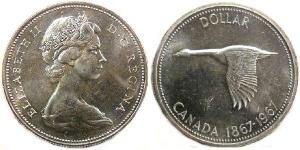
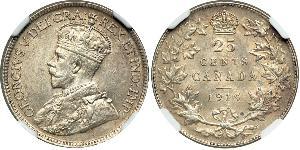
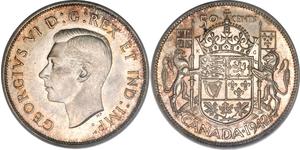
The artistry found on these pieces offers a window into Canada's changing identity through the ages. Early coins often bore royal portraits similar to those worn in London, while later designs began incorporating local maple leaf motifs and heraldic shields representing regional provinces like Quebec or Ontario.
This evolution from imperial symbols toward national icons mirrors the broader struggle for autonomy that characterized Canadian history throughout this timeframe. The choice of metals itself speaks volumes regarding economic priorities placed upon resource extraction versus manufacturing output during those industrial transformations.
For collectors
The historical narrative preserved on these pieces continues to engage today's enthusiasts by offering tangible connections to events long passed into memory. Modern collectors appreciate not only the aesthetic qualities but also what each issue represents regarding national independence and economic resilience faced over nearly a century of history.
- Rarity plays an essential role in valuation when considering original condition versus circulation marks from daily use decades ago, making high grades exceptionally valuable to those preserving them for future generations who value heritage as much as profit.
The significance extends beyond mere monetary worth but reflects a commitment by new nations around the world to honor themselves through metal objects that stand witness in public hands across time. These artifacts serve enduring roles within museums, private collections and historical archives alike where they educate visitors about economic history intertwined with broader cultural shifts witnessed during this period of development for what we know today as modern Canada.