| View |
| preceded by | ||||
|
||||

|
|||||||
 Margraviate of Baden (1112 - 1803)
|
|||||||


| Margraviate of Baden (1112 - 1803) | Link to Wikipedia |
Margraviate of Baden: History, Coinage and Collectibles
Historical Background
The story of the Margraviate of Baden is woven into the rich tapestry of German history before the modern state structure existed. For centuries, this territory represented a significant cultural crossroads in south-western Germany. Nestled within what was once the Holy Roman Empire and later evolving through various political realignments until becoming part of the United States, the Margraviate found itself at the intersection of commerce, religion, and politics between France to the west and the Austrian Habsburg lands to the east.
The region’s economy thrived on trade routes that flowed along major rivers. These natural arteries connected the Black Forest mountain ranges with the fertile Rhine valley, facilitating a bustling commercial network long before railroads were common. This strategic location meant that local governance had significant stakes in maintaining monetary stability to ensure merchant prosperity.
Culturally and economically, the Margraviate was unique because of its fragmented political structure until later unification efforts by Napoleon. For collectors and historians alike, this history represents a time when power shifted among various feudal lords before consolidating into stronger national entities under the Grand Duchy title in 1806.
Currency and Coinage History
The evolution of money in Baden mirrors broader shifts within German-speaking lands. Initially, trade relied on a mix of local currencies which caused friction between neighboring states seeking economic independence or influence from major empires like France or Austria.
A pivotal moment occurred during the later feudal eras when imperial reforms sought to standardize coinage across the Holy Roman Empire. This drive for uniformity impacted Baden significantly as they transitioned towards high-quality silver denominations that could circulate alongside coins minted in Vienna and other major European hubs.
The Napoleonic era brought dramatic changes, particularly during the dissolution of the HRE structure which redefined legal tender requirements across German Confederation members. Collectors will find great interest in how these political upheavals directly influenced die designs and purity standards, reflecting a shift from traditional feudal patronage to enlightened administrative statecraft.
Mints and Coin Production
The production of currency within the Margraviate was primarily centralized around established mints that utilized both traditional methods and early industrial advances in metalworking technology. The central hub for these operations lay near the principal seat of government, often located at locations where water power could assist mechanical processes.
Artistic traditions played a vital role distinguishing Baden’s coinage from other German states during this period. Engravers employed by local authorities frequently trained in leading European cities known for their artistic heritage, bringing styles that blended Baroque elegance with emerging Neoclassical aesthetics prevalent during the late 18th century.
Distinguishing features included intricate heraldry depicting the Margrave's personal coat of arms alongside imperial eagles. This careful attention to detail signaled not only political legitimacy but also a high standard in craftsmanship that set regional coinage apart from commoner issues found elsewhere on the continent.
Notable Coins
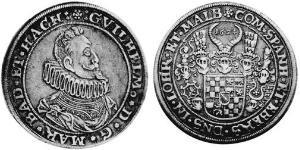
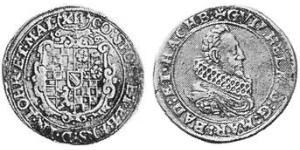
The most historically significant piece many collectors encounter is the silver Thaler minted during periods of imperial alignment. These coins bore portraits of reigning Margraves or Dukes, often depicted in a dignified pose that emphasized their noble station while maintaining clear iconography for trade purposes.
- The Imperial Silver Guilder: Known as the Reichstaler variant adapted by Baden mintmasters, this denomination became essential during times when larger transactions required reliable silver bullion. The obverse typically features a portrait of authority with detailed hair and crown work characteristic of late Baroque portraiture.
The Imperial Silver Guilder:
This specific issue gained historical prominence as it represented the economic integration between Baden territories and broader European financial systems. Its reverse side often depicts a coat of arms or imperial symbols, making identification straightforward yet rewarding for serious students of numismatics who appreciate heraldic detail.
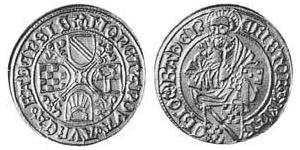
- The Gold Florin Transition Issues: Produced during times when Napoleon influenced regional banking standards, these gold coins were among the first to feature classical motifs like laurel wreaths and victory figures. They served as high-value currency for merchants engaging in international trade rather than daily domestic transactions.
The Gold Florin Transition Issues:
These issues are prized by enthusiasts who enjoy the artistic shift from medieval iconography toward classical designs inspired by French and Italian masters of the late eighteenth century. The metal quality was generally high, offering a tangible connection to gold standards established long before modern banking systems took precedence.
- Copper Half-Groats for Local Commerce: While silver coins attracted collectors seeking historical prestige, small denominations like copper half-grots tell the story of daily life. These were issued in larger quantities and bear simpler profiles but still reflect official authority through consistent minting standards maintained over decades.
Copper Half-Groats for Local Commerce:
The condition of these smaller pieces often reflects their widespread circulation, yet survivors can reveal much about manufacturing quality during periods when metal supplies were abundant or scarce depending on wartime needs. They remain accessible entry points for new collectors while serving as essential documentation for experts tracing monetary history.
Cultural Legacy
The coinage of the Margraviate and its successor states serves as a powerful reflection of culture, religion, and statecraft during times when visual communication was limited to physical objects passed hand to hand throughout markets. Symbols carved into metal conveyed political stability while artistic flourishes honored local traditions.
Coin designs often incorporated elements that celebrated agricultural achievements or referenced major historical figures important to regional identity rather than focusing solely on warfare imagery common in other European states at similar times of conflict.