| View |
| preceded by | ||||
|
||||

|
|||||||
 Margrave of Baden-Durlach (1535 - 1771)
|
|||||||

| succeeded by | ||||
|
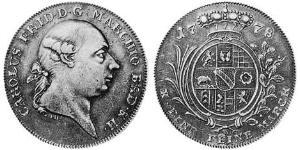
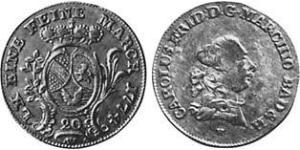
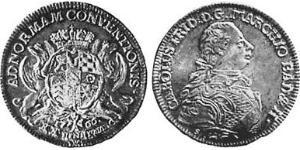
| Margrave of Baden-Durlach (1535 - 1771) | Link to Wikipedia |
Margraviate of Baden: History, Coinage and Collectibles
Historical Background
The history of the Margraviate of Baden is a captivating chapter in the evolution of German states within the Holy Roman Empire. Originating from the ancient counts of Rhaetia, this territory grew significantly during the medieval period before settling into a complex arrangement between two distinct branches: Baden-Baden and Baden-Durlach. For centuries, these territories existed almost as separate entities but were ruled by members of the same dynasty under various arrangements within the feudal framework.
The consolidation process that defined the entity is often seen around the mid-eighteenth century, a time when political pressures from neighboring powers sought to streamline administration and trade routes along the Rhine valley. This unification allowed for more centralized governance and facilitated international commerce between France, Italy, and Northern Germany. As the margraviates evolved into the Grand Duchy of Baden following significant Napoleonic reorganizations around 1803, it adopted a stronger sovereign status that would persist well beyond the dissolution of the Empire in 1806.
Culturally, this period was marked by strong ties to Enlightenment ideals and religious freedom. Unlike many parts of Germany caught up in rigid state religions, Baden became known for its Calvinist tradition following the Peace of Westphalia era influences. This cultural identity often found expression not only in architecture but also through legal reforms that encouraged economic growth among the peasantry. Merchants utilized river ports to establish trade links across Europe, creating a prosperous economy that relied heavily on minted currency as a primary medium for exchange during an age where paper money was rare.
Currency and Coinage History
The monetary history of Baden reflects the broader economic transitions occurring throughout Southern Germany in late centuries. Early coin production often mirrored regional standards, with silver thalers being the dominant currency used for long-distance trade and taxation. The mints were frequently tasked with adhering to Imperial standards set by Vienna or Frankfurt to ensure compatibility within the German Confederation.
A significant shift occurred when Baden moved toward more liberalized monetary policies under the Napoleonic influence, which eventually led to a unified weight standard across many principalities before the Prussian-German unification finalized the currency system of the modern era. During this consolidation phase, coins carried not only portraits but also state symbols that represented sovereignty and political independence amidst an empire in decline.
The economy was further stimulated by industrialization efforts near rivers and mining regions where zinc or lead might appear locally for base-metal issues. Silver ducats served as a store of wealth while copper kreuzers remained the coinage of daily labor and wages. This hierarchy from gold to silver, down to bronze and copper, allowed farmers, miners, and merchants alike to participate in an integrated national economy.
Mints and Coin Production
The infrastructure for producing these coins evolved alongside political changes that unified the regions under a single administration. The main minting operations were centralized around Karlsruhe after it became the capital of the Grand Duchy, though earlier mints had operated in Durlach or other significant towns before consolidation efforts finished administrative borders.
Minting technology improved during this era through the introduction of steam-powered rolling mills for striking planchet and refining bullion. Artistic direction came from local engravers who were tasked with creating designs that resonated with both national pride and commercial needs, ensuring high-quality finish on every piece leaving the pressroom.
Distinguishing these coins required a keen eye for detail in heraldic borders or royal portraits. The production centers often faced challenges of maintaining consistent metal purity to avoid devaluation scandals common among smaller principalities seeking profit at the expense of trustworthiness within international trade networks across Europe. These efforts set Baden apart from its neighbors as a model of efficiency and quality.
Notable Coins
Among the most significant pieces for serious collectors are those minted during the transition to Grand Duchy status, featuring prominent rulers such as Charles Emmanuel or Frederick I. Silver thalers with large eagle shields in reverse represent a classic example of imperial influence persisting even as states gained independence.
The gold coins issued between 1700 and early 1806 stand out for their artistic beauty often displaying crowned heads alongside religious iconography that signified both state authority and spiritual values. These were highly valued in international markets where Baden currency was accepted widely due to confidence in its stability.
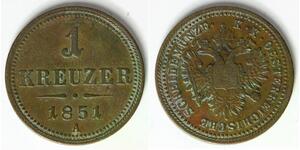
Rarer issues involve copper denominations used strictly within local commerce before unification standardized the value of kreuzer across Germany. Collectors often seek these for their intricate patterns or unique mintmarks, which offer insight into specific regional economies that have since disappeared from modern geography and history books alike.
- The silver thaler remains a cornerstone type showing classic engraving skills.
The gold ducats demonstrate how rulers used precious metals to project power across trade routes.
Copper half-kreuzer examples provide windows into daily market life in early 1800s villages.
Cultural Legacy
The coinage of Baden leaves a lasting cultural legacy by encapsulating the spirit of its people. Designs often incorporated symbols from local agriculture or manufacturing industries, signaling prosperity and stability that encouraged trade partnerships throughout Europe during turbulent times in continental history.
This era also produced coins featuring artistic renderings derived from neoclassical styles reflecting French influence at the court level while retaining traditional Germanic motifs like eagles. The combination of these aesthetic elements serves as a unique historical artifact where art and commerce merge to tell stories about governance, identity, and social order within one of Central Europe's historic regions.
Furthermore, coins preserved today show evidence of diverse populations interacting in markets along river borders long before they became part of larger nation-states. Collectors studying these artifacts see how local identities persisted even as political maps shifted rapidly around them.
For collectors
The Margraviate of Baden offers a fascinating glimpse into the final stages of European feudalism transforming toward modern nationalism, preserved in metal form. These coins remain highly relevant to numismatists interested in German pre-unification states who seek authenticity regarding regional identity and early economic integration.
Possessing pieces from this region allows an enthusiast to hold a tangible connection to the history of Central Europe before national borders were drawn into their current forms by war or treaties. The coins provide educational resources on how trade, religion, and politics shaped culture across centuries without requiring extensive study of dense historical texts.
In summary, collecting Baden's coinage connects modern observers with a vibrant past defined by artistic achievement, economic pragmatism, and political evolution within an intricate imperial framework. These items deserve place in every discerning collection aiming to preserve the heritage of European numismatic diversity from centuries ago until today remains intact.