| View |
| preceded by | |
 Iran
Iran
|
||||||||||||||
|


| succeeded by |
| Iran | Link to Wikipedia |
Iran: History, Coinage and Collectibles
Historical Background
The history of the region known as Iran is a tapestry woven from millennia of civilization that stretches back to the cradle of humanity itself. As one of the first centers where organized statehood emerged on Earth, this land has served not only as an epicenter for culture and art but also as a vital hub along the ancient Silk Road. For historians and collectors alike, understanding the flow of commerce is essential because it explains why metal currency became so ubiquitous here long before Europe adopted standardized coinage.
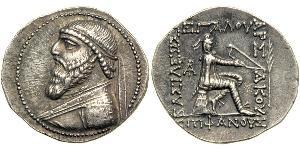
The early dynasties established trade routes that connected the Mediterranean basin with India and China. The Achaemenid Empire was the first to create a monetary system capable of facilitating this vast commercial enterprise, using silver shekels for everyday commerce and gold coins for high-value transactions across borders. Following these great empires came periods defined by shifting political boundaries but persistent cultural identity; however, throughout all regime changes—from the Parthians to the Sassanids—the metal currency remained a constant medium of exchange that transcended dynastic turmoil.
The arrival of Islam transformed not only religion and art but also monetary systems. Under the Abbasid Caliphate, which reached its zenith across much of this territory today known as Iran, coinage evolved to reflect religious texts rather than royal portraits, influencing Islamic numismatics for centuries thereafter. This era preserved local minting traditions even while adopting broader cultural influences from Byzantium and China.
Currency and Coinage History
The evolution of money in this region is marked by significant reforms that aligned with economic shifts rather than political upheavals alone. Initially, the currency was largely a tool for internal administration and royal tribute collection before becoming truly international in nature. During the Sassanian period (224 to 651 AD), silver drachms were minted with exceptional purity and weight standards that allowed them to circulate freely as long-distance trade tools.
A crucial development occurred during Islamic expansion when figures representing royalty or mythology began disappearing from coin faces, giving way instead to calligraphic inscriptions honoring the name of God. This innovation did not diminish quality; rather, it elevated the artistic challenge for mint masters to translate complex poetry and theological declarations into legible script on small metal surfaces. These coins circulated through Baghdad, Damascus, and Cairo alike.
Mints and Coin Production
To understand how these objects were created, one must look at the location of major production centers. Cities like Rayy, Tabriz, Isfahan, Shiraz, and Qom served as primary hubs where die-cutting and striking took place for hundreds of years. Minting technologies transitioned from casting to hammer-striking under pressure before eventually utilizing screw presses introduced during European influence in later centuries.
The artistic characteristics that distinguish this region's coinage include a distinct attention to detail within calligraphy and border design elements often borrowed from architecture or pottery. During the Seljuk era, copper coins were produced with such intricate engraving that they resemble jewelry more than common trade money. Even during the Qajar dynasty (late 19th century), mint masters worked under royal decrees that strictly controlled imagery to ensure consistency across different provinces while maintaining high technical standards.
Notable Coins
- The Achaemenid Daric: One of the most recognizable coins in numismatic history, this gold piece represents early imperial power under Darius I. Its design features a bearded king and an owl symbolizing wisdom or wealth. Collectors value it for its role as one of first state-backed fiat currencies that standardized trade across continents.
- Sassanid Silver Dinars: These coins often depict the fire god Mithra standing atop a lion before a throne, though such imagery was later removed during Islamic rule. They represent an era where metal currency functioned as portable art and propaganda simultaneously. The fine die work seen on these pieces sets a benchmark for craftsmanship standards.
- Safavid Gold Rupees: Produced primarily in Isfahan under Shah Abbas I, who revitalized the city into one of wealthiest capitals globally at that time. These coins feature elaborate crowns and names inscribed around the rim, illustrating how political might was directly translated onto metal surfaces for export to Ottoman markets.
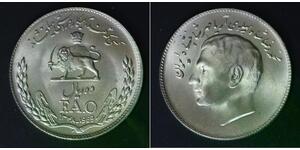
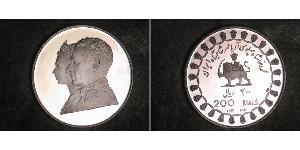
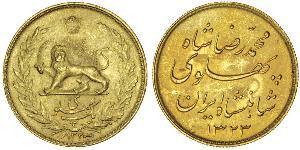
- Mohammad Reza Pahlavi Era Issues: From mid-20th century until modern changes in leadership style within that period. These coins display Western-style effigies alongside Persian calligraphy and are significant because they bridge the numismatic gap between ancient minting traditions and industrial-age mass production.
Cultural Legacy
The legacy of Iranian coinage lies in how it preserves cultural memory within metallic form. The designs found on these coins—whether featuring traditional geometric patterns, stylized floral motifs from gardens or depictions of the Faravahar symbol—offer a window into ancient beliefs that are less commonly seen in other regions.
The calligraphy used to write verses praising virtue and kingship reflects a broader literary tradition where words themselves were considered as valuable material commodities. Collectors often note how these coins functioned not merely as money but as diplomatic gifts between leaders, carrying the message of cultural prestige along with their monetary value.
For collectors
This region continues to offer significant opportunities for those who appreciate history and rarity within a collection. Each piece tells a story about how wealth moved through ancient world networks that connected East and West, allowing us today to physically hold artifacts from empires of antiquity.
The importance remains in the fact that these objects provide tangible proof of historical continuity across vast periods where textual records alone might fade into obscurity. By examining condition grades carefully without obsessing over market volatility, you engage with an enduring tradition of preserving heritage through art and craftsmanship.