| View |
 Falkland Islands
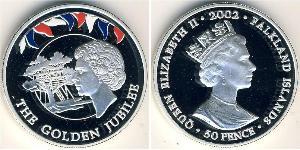
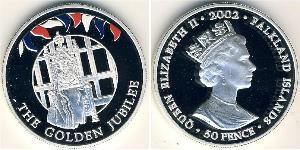
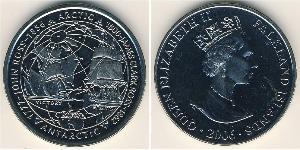
| Falkland Islands | Link to Wikipedia |
Falkland Islands: History, Coinage and Collectibles
Historical Background
To understand the numismatic identity of a remote outpost like the Falklands, one must first appreciate its storied history as an intersection between empires in a wild ocean. Located on the Patagonian Shelf at 52 degrees South latitude, these islands sit alone between South America and Antarctica—a geographical isolation that shaped both their culture and commerce for centuries. While indigenous Fuegian groups may have known of them long before Europeans arrived, it was not until the late sixteenth century that detailed accounts began to surface.
The narrative of ownership is as layered as its geological history. Early claims were made by French explorers in 1764 who established Port Louis and later surrendered their claim to Spain around 1766. By the mid-seventeenth and eighteenth centuries, British naval captains began asserting rights over these southern waters for King George III. These early expeditions sought game and resources but rarely permanent settlement.
A major shift occurred when whaling operations turned the region into a bustling commercial zone in the 1820s and 30s. This era introduced intense economic competition among Spain, France, Britain, and even American privateers seeking to secure fishing rights for seals and whales. For much of this period, trade was driven by necessity rather than local currency; barter systems dominated alongside foreign coins brought in from Argentina or the United Kingdom.
The formal restoration of British rule in 1833 established a new political stability that would eventually define the islands' economy. The Falklands became an agricultural paradise for wool production, linking their economic destiny directly to markets in Britain. This connection meant that foreign trade and colonial protection were paramount; however, maintaining independence within this empire required distinct branding of sovereignty.
Currency and Coinage History
The evolution of currency on the Falklands was not driven by a desire for innovation early on, but rather by economic survival. Before modern mints existed there, commerce relied heavily on British Sterling circulating through South Atlantic trade routes or Argentine Pesos used to facilitate trade with neighbors across the ocean.
This reliance shifted in the 1970s as tourism began to flourish and local industries sought a more distinct identity. In 1978, coinciding with the tercentenary of Spanish claims but solidifying British sovereignty under UK protection after previous disputes over territory were settled peacefully through ballots and diplomacy, the islands decided to mint their own coins.
This was not merely aesthetic; it was a strategic economic move. By issuing coinage that mirrored Sterling but carried local designs (specifically for circulation or commemorative purposes), they reduced reliance on imports of foreign currency while asserting cultural pride. The introduction of new denominations in 1978, and subsequent regular issues, replaced the standard British Pound usage with coins explicitly labeled "Falkland Islands" to differentiate them from general Sterling.
The move was also a response to global market demands for distinct collectibles. While small nations usually issue paper notes or rely on larger mints like Canada or India (historically), the Falklands maintained ties that allowed unique designs to be produced within established British systems, ensuring high-quality metal standards while telling their own story.
Mints and Coin Production
The technical production of coins in this remote territory has historically been outsourced to major mints like those in London or Birmingham. This practice ensures a level of quality control comparable to the Bank of England's output but allows for unique artistic license regarding local iconography.
Mint traditions here emphasize wildlife and natural history, reflecting an island whose economy is tied closely to its environment—sheep farming being primary alongside tourism. The mints utilize high-quality proof strikes that allow collectors to examine intricate details often missed in circulation issues due to wear from rough weather at the port of Mount Pleasant.
The artistic characteristic that distinguishes this coinage is a commitment to realism found rarely on other Commonwealth territories. While many coins feature standard coats of arms or generic royal portraits, Falkland Islands designs frequently transition into nature scenes: albatrosses soaring over cliffs and grazing sheep in the windswept pastures.
This use of mint technology served two purposes: it created a recognizable brand for tourists entering the islands by using their own money as a souvenir of local abundance (the wool exports), while satisfying collectors looking for high-resolution proof coins that captured fine details in relief.
Notable Coins
Among the most collectible items are the inaugural sets issued shortly after 1978. These were significant because they marked a break from using standard UK designs to purely local commemorative ones, allowing for specific artistic interpretations of place and history.
- The First Sterling Set (Late 1970s): Historically important not just as currency but as a political statement. These coins featured the Royal Coat of Arms on one side with varying local themes—such as landscapes or wildlife—on the reverse, establishing the islands' distinct monetary voice.
Later series introduced iconic representations that are central to numismatic study for their historical accuracy and craftsmanship. One notable feature was a design change in the 2016 centennial set which highlighted specific themes of exploration and discovery from early times up through modern sovereignty referendums, using designs depicting historic figures or ships relevant to the islands' naval past.
A critical aspect for collectors is the transition between circulation quality and high-relief proof specimens. The later years saw a significant upgrade in die polishing techniques that brought out finer details on coins featuring wildlife imagery such as penguins or puffins, often found alongside standard denominations used by tourists exchanging foreign money at local airports.
Cultural Legacy
The coinage of the Falkland Islands acts as a physical ledger of their culture. Unlike many colonies that adopted imperial designs and then dropped them once independence arrived, these coins maintained ties to Crown symbolism but adapted reverses to reflect environmental stewardship—a crucial factor in an economy built on wool exports.
Symbols used include representations of the sheep herds which define the rural landscape, alongside marine life such as albatrosses that symbolize the isolation and vastness of their position between continents. These symbols are not merely decorative; they represent a society where nature is both an economic resource (sheep for wool) and spiritual heritage.
The coins also reflect a history defined by self-governance within British frameworks, showing how local artists could create designs that resonated with a population of roughly 3,000-4,000 inhabitants while maintaining global prestige through high-quality striking standards set in London mints or authorized centers.
For collectors
The Falkland Islands remains an important subject for numismatists seeking British Overseas Territory pieces. While small in physical size and population impact, their coinage holds significant historical weight due to the unique circumstances of South Atlantic colonization. Collectors value them primarily because they represent a niche where standard currency transitions into collectible proof status.
The importance lies not just in rarity—though some commemorative issues are scarce—but in storytelling ability. Each minted piece carries traces of history: stories of whalers, sheep farmers, and explorers that shaped the nation. As such, they serve as a tangible bridge between European imperial exploration and modern South Atlantic independence. Whether studying early sterling replacements or newer wildlife-themed denominations found at major auctions, these coins offer a glimpse into how small nations project their identity through metal.
In summary, collecting Falkland Islands coinage is about appreciating the intersection of history—trade routes, colonial claims—and artistry in relief and design that has evolved over four decades. For those looking to own a piece of this story without focusing solely on market values but rather historical context, these pieces offer enduring appeal.