| View |

 County of Flanders (862-1795)
| County of Flanders (862-1795) | Link to Wikipedia |
County of Flanders: History, Coinage and Collectibles
Welcome to the storied legacy of one of medieval Europe’s most influential regions. The historical entity known as the County of Flanders occupies a unique place in numismatic history because its monetary output reflects an era when trade dominated political power.
Historical Background
The development of this northern European territory was driven largely by commerce rather than conquest alone. From the 9th century until the early modern period, Flanders functioned as a pivotal nexus between England and France, anchored primarily in Bruges and Ghent. The region’s wealth grew rapidly during the High Middle Ages thanks to its unparalleled textile industry, particularly the production of high-quality wool and linen.
This economic dominance necessitated robust monetary standards that facilitated international exchange. Merchants traveled from London to Paris through Flanders ports on a regular basis, requiring currencies stable enough for guilds across different nations. The rise in prosperity led to significant cultural flourishing; churches were built with architectural complexity, manuscripts produced high art, and universities opened to train administrators who managed the intricate tax systems supporting these trade networks.
The political landscape evolved as local counts consolidated authority over powerful towns that often held their own municipal privileges. By the late medieval period, the territory had come under Burgundian suzerainty before eventually entering the Spanish Habsburg Empire during the 16th century. This shift in sovereignty changed minting policies but maintained a regional cultural identity deeply rooted in commerce and urban craft.
Currency and Coinage History
The evolution of money in this region followed a distinct path shaped by its reliance on international markets where bullion value was crucial to the guilds. Initially, coinage relied heavily on silver deniers derived from Frankish traditions established after Charlemagne’s empire fragmented. These small denominations served local market transactions while larger coins facilitated cross-border commerce.
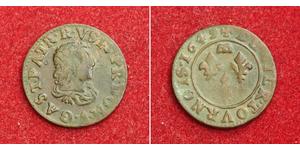
A defining moment occurred during the transition of power where counts began issuing standardised florins and groats that became widely recognized throughout Europe. Unlike many contemporary states, Flanders did not hoard silver but circulated it freely to keep goods moving through their ports. As inflation affected northern Europe in later centuries, copper-based fractions were often produced at mints across the region, reflecting a pragmatic approach to monetizing an economy heavily dependent on bulk trade.
Mints and Coin Production
The artistic style of F’landers coinage was deeply tied to its location within major manufacturing centers. The workshops were often located near cathedral complexes or royal chanceries where skilled metalworkers collaborated with local goldsmiths, creating reverse designs that featured religious iconography mixed with heraldic shields.
- Tournai: This mint was renowned for its intricate die-struck legends and usage of Roman-style lettering before adopting Latin-Gallican scripts common to the northern territories. The local coinage here often displayed specific civic coats of arms that identified the origin clearly.
- Ghent (Gent): Serving as a financial hub, this location produced silver pieces with distinct mint marks for trade verification by merchants arriving from Hamburg and Antwerp. These coins circulated far beyond national borders before the French Revolution dismantled the traditional currency systems.
- Bruges: Perhaps most significant was its role in producing international bullion standards where coin weight correlated to exchange rates used across English and Flemish markets, making these pieces essential for comparative studies with British medieval numismatics.
The technology behind the coins varied from hand-struck hammered issues to later struck dies utilizing water-powered hammers in larger volume workshops. The artistry on many surviving specimens reveals a mastery of die cutting that allowed even copper tokens to carry fine detail despite their low denomination value relative to gold coinage elsewhere.
Notable Coins
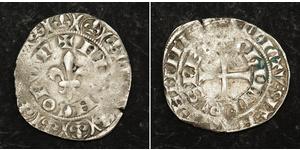
The historical record highlights specific issues valued for their rarity and significance in documenting the region’s economic maturity. One prime example is the silver denier issued under earlier Counts that featured a cross on one face with a bust or symbol of protection from Saint Quentin, who was considered his patron.
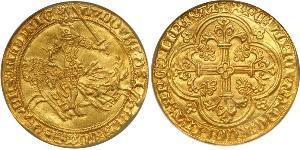
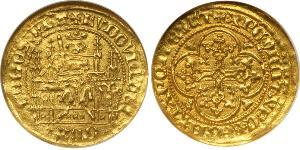
Another important class includes the gold florins struck during later centuries when the region operated as part of larger Burgundian territories. These pieces often carried weight standards that were universally accepted by Italian merchants and bankers facilitating loans against wool stocks shipped across North Sea routes.
The most celebrated types feature a high degree of artistic detail in their reverse designs where shield shapes, floral motifs from local flora, or architectural elements like cathedral arches replaced standard symbols used during war time. Collectors today prize these coins for the way they encapsulate medieval iconography within metal form.
It is also worth noting that later issues under Habsburg rule often carried legends in Latin rather than local dialects, marking a shift toward international trade currencies. Despite this change in language usage on the obverse face, collectors appreciate how regional symbols persisted subtly even as political titles changed.
Cultural Legacy
The coinage produced here serves as more than just a measure of wealth; it was an expression of civic pride and religious devotion. The legends often referenced the saintly patrons who protected each city, reflecting a culture where commerce operated within a spiritual framework that emphasized charity alongside accumulation.
The use of local languages on some fractions while Latin was reserved for high denominations speaks to social hierarchy and literacy levels. Wealthy merchants could read the standard legends used across Europe, whereas laborers might only interact with copper pieces marked in simpler scripts.
This duality of expression on metal mirrors broader societal structures seen within stone masonry from that period where cathedrals and guildhalls coexisted as centers of power. Understanding these coins provides insight into how governance was exercised through monetary policy in an era before modern banking systems.
For collectors
The numismatic heritage of this historical region offers a window into medieval commerce that cannot be found elsewhere so clearly defined by geography and trade routes rather than just borders. Because coin production here was heavily tied to urban centers, many specimens exist in high grades despite their age due to how they were used.
Educational value is substantial for those studying medieval economic integration across the Channel region as these pieces often show signs of circulation patterns that link England with Northern Europe. Their study reveals why specific trade cities maintained currency standards different from royal coinage to keep their local markets stable.