| View |
| preceded by | |
 Belgium
|
||||||||||||
|


| succeeded by |
| Belgium | Link to Wikipedia |
Belgium: History, Coinage and Collectibles
Welcome to the exhibit. Step through the imaginary gallery where the history of this small nation is displayed in metal, silver, and gold. While Belgium remains one of the most densely populated nations on our map today, its story stretches deep into medieval trade routes and Habsburg empires. As we stand before these pieces, consider that a single coin can bridge centuries of economic upheaval, artistic evolution, and national identity.
Historical Background
The narrative begins long before the Kingdom was officially declared in 1830. For over six hundred years prior to independence, this region functioned as a pivotal intersection for European commerce known historically as the Low Countries or Burgundian Netherlands. The location is crucial; nestled between France and Germany with access to vital waterways like the Scheldt River, it became a hub where merchants of Venice, Antwerp, Hamburg, and London conducted business.
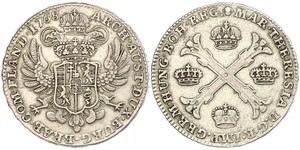
This geography dictated the monetary landscape for centuries. When Philip II of Spain expanded his empire in the 16th century, silver dollars flowed through its ports to fund colonial voyages around the Americas. These coins were minted or circulated here before national borders as we know them today even existed under this sovereign title.
The Industrial Revolution transformed Antwerp from a medieval trading post into an industrial powerhouse during the mid-19th century, creating demand for currency suitable for modern banking and complex financial trade. When Belgium separated from the United Netherlands in 1830, it faced significant challenges regarding its economic autonomy while maintaining stability within Europe.
The nation evolved through various eras of occupation by Austria and France before establishing itself as a sovereign state. This political volatility naturally influenced coinage production. Every shift in regime brought new standards to the currency table. The period from 1830 onward was essential, marking the transition into Francs that standardized trade within Europe while allowing for regional artistic variations.
Social and economic factors also shaped culture significantly. During the Belgian Revolution of 1830, independence meant establishing a central bank capable of backing currency with gold reserves in an era where trust was paramount to commerce. The mining resources extracted from this country provided substantial wealth that flowed back into monetary stability.
The cultural blend is unique too. Flemish traditions meet French administrative influence. During the late 19th century, Belgium became a center for Art Nouveau artistic movements which permeated everything from painting to coin design. This era brought an emphasis on aesthetic beauty alongside strict numismatic standards that would later serve as benchmarks in international minting.
Currency and Coinage History
Money evolved here through several distinct phases of reform, often tracking with broader European trends while maintaining Belgian characteristics. Initially, the coinage systems were heavily tied to Spanish and Portuguese real values due to trade dependencies on these regions in earlier centuries.
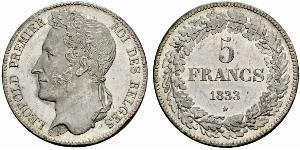
The introduction of the Franc marked a pivotal moment for sovereign independence following 1830. The Kingdom initially adopted silver standards that aligned with French colonial currency models but eventually established its own independent minting rights.
- Early periods saw reliance on standard foreign exchange to facilitate trade before establishing domestic mints exclusively under state control.
A major transformation occurred when the nation transitioned toward a gold-backed currency system. This was necessary for international commerce in an increasingly competitive market during the mid-1800s and early 1900s. Collectors often find value in identifying coins from specific reigns like Leopold II, where designs reflect opulence.
The monetary systems were further adjusted after both World Wars to stabilize finances against inflation. However, this did not diminish the historical interest of silver issues that remained popular throughout European markets well into the mid-twentieth century before modernization efforts standardized production methods for circulation.
Mints and Coin Production
The heart of Belgian numismatics lies in its minting facilities. For a long time, Antwerp served as one primary center alongside Brussels due to its importance as a trade gateway. However, by the late 19th century production centralized under state authority for better quality control.
Belgian mints were known worldwide during their peak periods in history because of technological innovation and artistic precision. They produced pieces that circulated across borders not just nationally but internationally. Many specimens found in London or New York private cabinets today bear the mark of Belgian craftsmanship stamped with royal initials.
- The Saint-Gobain era saw significant industrial expansion influencing minting capacity significantly during mid-century.
Tech innovations played a role too; hydraulic presses replaced older hand-struck mechanisms allowing for mass distribution of coins. Artistic characteristics distinguish these issues from neighboring nations like France or Germany, often through the use of specific iconography featuring lions and anchors rather than purely national landmarks.
- This distinction helps collectors identify regional origins quickly even without catalog references provided on a sheet.
Notable Coins
If you walk through the gallery, these pieces will stand out against the background. One such specimen is the gold coin issued for independence in 1830 and subsequent years. It bears imagery celebrating national freedom on one side with intricate laurel wreaths common to French design but executed by Belgian engravers of high repute.
Silver issues from the late imperial period are particularly striking due to their relief work. These coins reflect Belle Époque artistic trends emphasizing grandeur and detail suitable for export markets where foreign merchants expected premium quality currency handling in ports like Antwerp or Ostend.
- The 20 Franc Gold Piece often features portraits of King Leopold II who promoted industrialization during this era significantly impacting economic infrastructure including banking networks that accepted these denominations widely.
Musical motifs appear occasionally in edge lettering on rare pieces struck for collectors before decimal reforms simplified designs. Another notable series commemorates the World's Fairs held here between 1830 and early twentieth century, featuring art deco styles that differ from classical realism seen earlier centuries.
Cultural Legacy
The coins tell a story of culture beyond simple face value. Look closely at reverse designs; you will see anchors representing maritime heritage alongside lion motifs depicting heraldic symbols used throughout the history since medieval times when this region was under Spanish rule.
Religious influence once dominated coinage with papal endorsements on denominations prior to secular reforms. Today, these coins reflect a more civic identity centered around industry and science rather than purely spiritual symbolism found in earlier eras.
For collectors
This country remains important because its small size creates high quality density of historical events per acre compared with larger nations. Each piece represents a distinct era in European trade evolution without the overwhelming volume seen in other major mints elsewhere worldwide today.
The focus on history over catalog details helps buyers appreciate why certain issues hold value beyond face amount. They are gateways into understanding how small states navigated global economic powers through artistic excellence and industrial resilience during turbulent times across Europe throughout multiple centuries of change since medieval independence movements began shaping regional boundaries long ago before 1830 officially created a sovereign kingdom separate from Austrian dominion control.