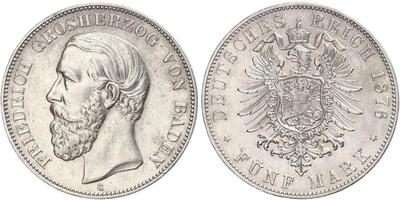
| View |


 Austrian Netherlands (1713-1795)
| Austrian Netherlands (1713-1795) | Link to Wikipedia |
Austrian Netherlands: History, Coinage and Collectibles
Historical Background
Welcome to the realm that stood at the crossroads of European commerce and imperial influence. The Austrian Netherlands represented a unique chapter in Habsburg history, encompassing what is today Belgium and Luxembourg along with parts of France's northern territories. This region was not merely a political entity but a bustling economic engine situated between the industrializing north and the wealthy south of Europe.
The narrative begins long before it entered direct Austrian administration through earlier Burgundian connections, establishing roots as centers of textile manufacturing and trade hubs on the Scheldt and Meuse rivers. As history unfolded in the seventeenth century under Spanish Habsburg control, the region served as a conduit for bullion flowing from American mines to Northern European markets. The transition toward direct Austrian sovereignty later solidified an era where local administration managed imperial mandates with remarkable autonomy.
The culture here was deeply influenced by artistic movements that swept across Western Europe, particularly during the Baroque period. This cultural flourishing directly supported a robust economy reliant on banking and trade houses in Antwerp and Brussels. The religious landscape shifted following the Counter-Reformation, creating an environment where piety met commerce. These socio-economic conditions created a need for stable currency to manage complex international transactions while reflecting local pride.
The region's status as part of a vast continental power meant that its stability was often tied to military fortunes in Europe. The economic policies implemented by Vienna regarding taxation and trade rights were felt keenly here, influencing the flow of goods from textiles to spices. Collectors who appreciate history will find this context vital; every coin minted during the eighteenth century represents a snapshot of how these global power dynamics impacted local governance.
Currency and Coinage History
The evolution of money in this region is a story of adaptation to changing political masters. Early on, foreign bullion coins like Spanish silver dollars circulated freely due to their reliability as international trade currency. However, the need for localized tax revenue led authorities to mint specific denominations known locally.
A major turning point occurred when standardization efforts merged imperial designs with provincial symbols. During this period, coinage shifted from high gold and silver content used in earlier eras toward a reliance on copper-based small change alongside stable silver thalers that matched the weight of international currency standards like the Austrian Maria Theresa Thaler.
Mint officials often faced pressure to maintain seignorage value while funding local defense costs. This resulted in complex monetary reforms where debased coins were replaced by heavier, higher-purity issues for collectors and banks alike. The introduction of copper coins with strict denominations allowed merchants to price goods effectively within the region before French administration imposed decimal standards upon them.
Mints and Coin Production
The physical locations where these treasures were crafted played a pivotal role in their artistic distinctiveness. Antwerp was historically significant, though by the time Austrian control solidified, its mint capacity moved or adapted to new regulations under direct imperial supervision as trade routes shifted away from English blockade fears.
Ghent became another primary center for silver production during this era, known particularly for refining techniques that preserved high silver content in Thalers. The transition of mints reflected the centralizing authority of Vienna while retaining local artistic preferences visible on dies struck by skilled engravers trained in Flemish traditions.
Technological advancements allowed for more consistent striking quality as mechanical presses replaced manual hammering, reducing die wear and maintaining clearer inscriptions despite heavy circulation. These innovations were significant because they meant that collectors today can identify specific mint years or production centers based on subtle differences found only under magnification.
Notable Coins
Certain denominations stand out as the most sought-after pieces for those seeking to understand this period of Habsburg history. Each variety offers a glimpse into how wealth was measured and displayed within local courts.
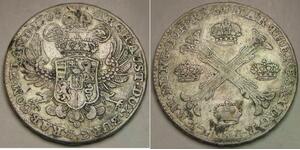
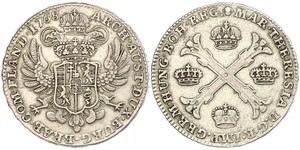
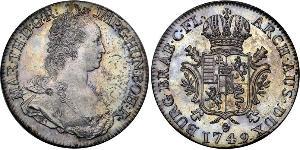
- The Silver Thaler varieties from late eighteenth-century production are particularly prized because they feature reverse designs blending imperial heraldry with regional coats-of-arms, often showing the lion rampant associated with specific provinces under Habsburg administration. These pieces were commonly used in banking transactions and remain popular for their high quality finish.
- Copper denominations such as half-rails or duit provide a window into daily commerce during that era. While less valuable than silver issues, they are highly sought after by specialists due to the intricate die-cutting showing religious imagery of Saint Michael protecting merchants from harm on one side and civic symbols facing outward.
- Ancient Spanish-style Real de Azares continue to be collected alongside Austrian-period coins because many trade transactions occurred before full administrative integration. These older types serve as a bridge between earlier centuries, making them unique artifacts in any comprehensive collection of the region's financial history.
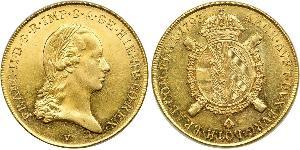
The design features across these pieces often include religious iconography reflecting local piety or heraldic beasts representing regional loyalty to Vienna rather than foreign rivals. The aesthetic quality remains consistent despite political changes because skilled mint staff ensured that each new series met established standards for weight and fineness required by international merchants.
Cultural Legacy
The coinage of this era serves as a durable record of the region's artistic achievements, particularly during its golden age when engraving styles were influenced by local painters. One can see traces of Flemish artistry embedded within the composition lines found on silver edges or copper reverses.
Cultural Legacy
The Cultural Legacy
The design features across these pieces often include religious iconography reflecting local piety or heraldic beasts representing regional loyalty to Vienna rather than foreign rivals. The aesthetic quality remains consistent despite political changes because skilled mint staff ensured that each new series met established standards for weight and fineness required by international merchants.
For collectors
The historical significance of these pieces is why they remain important today as tangible links to a cosmopolitan era where local pride coexisted with imperial duty. Collectors are drawn not only by the rarity but because each coin tells an evolving story about governance and culture.
- Rarity: Certain copper issues from later production runs survived in smaller quantities due to hoarding during periods of civil unrest or war, making them more accessible than expected despite historical abundance originally produced.
Silver coins often command attention for their connection to standard denominations that circulated throughout the continent. Whether searching for fine-grade Thalers used as bullion or common copper pieces representing daily life, these items offer a bridge between art history and economic study.
- Cultural Context: Understanding how local laws influenced minting practices helps buyers identify authentic varieties that differ slightly from official Vienna standards without being fakes. This knowledge is essential for navigating auctions where provenance can confirm or deny historical claims about a piece's origin place within the Southern Netherlands region.
In closing, collecting these items invites enthusiasts to touch upon moments when history was written in silver and copper rather than ink. The legacy of this period lives on through museums displaying fine examples that honor both artistic heritage and numismatic precision required by generations who valued stability amid changing world orders.