| View |
| preceded by | |
|
|||||||
| Ancient Greece (1100BC-330) | |||||||
|
|||||||


| Ancient Greece (1100BC-330) | Link to Wikipedia |
Greece: History, Coinage and Collectibles
The story of Greek coinage is deeply intertwined with the evolution of democracy, trade, and civic identity across the Mediterranean world. To understand a piece of ancient currency today is to hold a fragment of history that transcends its simple material value. From the city-states of mainland Greece to the maritime networks of Sicily and beyond, these coins were not merely medium for exchange but declarations of power, artistry, and cultural pride.
Historical Background
Greece began as a collection of independent poleis or city-states rather than a unified nation. This fragmentation defined the economic landscape before any standardized currency existed. Initially, trade relied on heavy barter systems like ingots made from precious metals such as electrum and gold bullion. The transition to stamped coinage emerged around 640 B.C., initially pioneered in Lydia but quickly adopted by Greek settlements where it facilitated complex commerce.
The Persian Wars fundamentally altered the regional economic order, leading many states to rely on their own mints for silver reserves rather than hoarding precious metals as bullion. This era fostered a competitive economy among city-states like Athens and Corinth, which developed distinctive standards of weight that became recognized throughout the known world during those turbulent centuries.
As Greece expanded into its colonies across southern Italy and Sicily, it established trade routes that connected Europe with Asia Minor and Egypt. The cultural diffusion accompanying these voyages spread not only Greek philosophy but also a standardized monetary tradition. Following Alexander the Great’s conquests, this regional diversity shifted toward imperial unification under new dynasties while preserving many local artistic traditions.
The economic history of Greece is marked by periods where wealth was used to fund public works and naval power rather than individual accumulation alone. The democratic nature of certain poleis meant that coinage reflected the collective voice and symbols chosen by citizen assemblies, ensuring that state iconography dominated over purely commercial designs.
Currency and Coinage History
The evolution of money in Greece began with heavy silver issues known as drachmas which weighed about 8.3 grams. The Athenian standard eventually became the most widely accepted form of international currency, often cited by later historians as one of the first truly global currencies before Rome unified Europe.
Currency standards were strictly regulated to prevent fraud and maintain confidence in transactions across merchant vessels traveling from Rhodes to Marseille. During times of war or political crisis, minting operations could shift focus toward military payrolls rather than general circulation, leading to issues that are still visible in the condition and metal content found today.
The monetary systems were closely linked with the state apparatuses themselves; thus a change in government often led to a redesign. When oligarchies took power over democracies, or vice versa, new types bearing different symbols might appear on obverses as marks of political allegiance rather than economic necessity alone.
Mints and Coin Production
Greece was unique because almost every city operated its own mint facilities, creating hundreds of distinct varieties based in their local centers. Athens located at the agora produced coins with high degrees of fineness that were trusted across empires. In contrast, bronze issues from other cities often contained higher levels of lead and copper which served practical purposes for paying wages but lacked aesthetic refinement.
The technology behind ancient coinage remained consistent throughout centuries while artistic quality varied significantly between workshops located in Delphi or Olympia versus those within the capital itself. Skilled engravers worked on dies that were struck into sheets using hammer techniques before being stamped onto blanks, leaving a distinct visual style characteristic of their location.
Different metals dictated how coins circulated locally and internationally. Silver was preferred for high-value transactions between nations while bronze served internal commerce where silver would be overpriced or hoarded against bullion standards available overseas.
Notable Coins
- The Athenian Owl Tetradrachm:
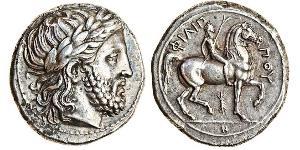
- This is perhaps the most recognizable issue in numismatic history. Its obverse features the head of Athena wearing a helmet, while the reverse shows an owl perched upon a branch with olive leaves and the letters PI (Peisistratid mark) or A for Athens.
The significance lies not only in its design but also its weight consistency over centuries. Early issues were struck during times of oligarchic rule before democracy was established, making them highly prized by serious collectors today as historical documents reflecting political transitions within the city-state itself.
- Aeginetan Electrum Stater:
- This coin predates silver standards and contains a natural alloy of gold. Its design features shield motifs or mythical creatures often associated with local sea legends relevant to trade networks across southern seas that dominated maritime commerce in antiquity.
The electrum composition is rare due to scarcity compared to pure silver issues, which makes preservation difficult for modern holders seeking specimens from early periods of Greek economic history. These pieces tell stories about resource extraction and metallurgical understanding prior to established industrial practices known later centuries down the road toward standardization.
- Coinage Under Hellenistic Rulers:
- Pieces produced by successors like Seleucus or Antigonid lines often depict monarchs with royal portraits replacing deities on reverse designs. These coins bridge classical antiquity to imperial systems that would eventually absorb Greek traditions entirely under Roman dominion.
This shift from purely civic symbols representing gods and goddesses to faces of living emperors demonstrates the gradual centralization of authority across vast territories once governed by independent city-states where citizens could strike their own laws as well money for use within boundaries defined by local assembly votes rather than imperial decrees alone.
- Roman Period Issues:
- Minted styles persisted even after Rome conquered Greece, continuing to issue types that honored Greek cultural heritage under new administration which maintained trade networks intact across provinces established throughout Mediterranean lands during centuries before Christ era ended in antiquity times.
This continuation of design allowed collectors from later ages who encountered these coins without context often assumed they were Roman while recognizing specific stylistic influences that came directly from Greek masters working within ancient workshops for generations prior to total imperial subjugation ending local independence movements during late classical eras before modern times.
- Spartan Obol:
The Spartans adopted different aesthetic conventions reflecting martial culture more common throughout Peloponnesian regions rather than artistic elaboration. This distinction separates coinage found in mainland Greece from those produced on islands and maritime colonies that favored decorative elements representing sea life or agricultural prosperity.
- Syrian Drachma:
This type reflects later imperial expansion where minting ceased being purely local but became part of a unified currency system used across regions under Seleucid influence. Collectors studying these pieces can trace the evolution from independence to empire within single generations.
Cultural Legacy
Greek coinage remains vital because it encapsulates how early civilizations balanced aesthetic ambition with economic pragmatism. The imagery chosen was rarely random; every symbol, whether a laurel wreath or an owl statue represented specific civic virtues valued by citizen assemblies during times of war and peace alike.
The artistry displayed on ancient obverses is unparalleled in many respects considering technical limitations available without advanced machinery for stamping metal surfaces that would remain smooth despite hammer marks leaving imperfections visible today. These artistic nuances make identifying provenance difficult but highly rewarding when found among other materials excavated from sites like Olympia or Corinth.
The legacy of these symbols extended beyond their era into later periods where they influenced Roman iconography and ultimately European numismatic traditions still used by collectors worldwide to study ancient economies that existed prior to modern banking systems established during industrial revolutions centuries after antiquity had ended entirely under classical times before medieval period began historically recorded timelines today.
For Collectors
Greece represents the foundational era where money took on its first recognizable form through stamped dies rather than weighed bars. Studying these coins allows one to observe not just metal content but also how political upheavals changed designs rapidly without technological assistance available until much later centuries during industrialization processes.
The diversity of regional standards provides endless opportunities for education regarding ancient trade routes and diplomatic relations between poleis that were often at war yet relied upon each other commercially using these shared currencies even when separated by thousands miles across sea or land. For hobby enthusiasts seeking to understand history beyond textbooks, no field offers a tangible connection as direct through physical objects held in hands with historical narratives carved into them.
This enduring interest is why many auction houses list pieces from this era among the most sought-after categories for serious investors and academic researchers alike who appreciate both financial value attached to rare specimens and their profound cultural significance. Holding an ancient Greek tetradrachm today feels akin to holding a small piece of human civilization that has stood intact since antiquity.