| View |
| preceded by | ||||
|
||||

 Georgia (1991 - )
|
||||||
|

| succeeded by | ||||
|
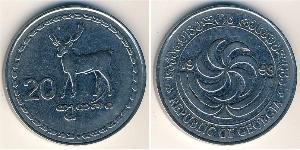
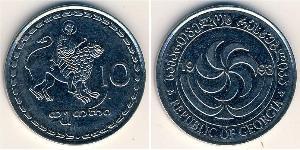
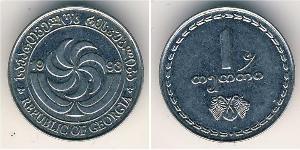
| Georgia (1991 - ) | Link to Wikipedia |
Georgia: History, Coinage and Collectibles
Historical Background
The land of Georgia served as a crucial crossroads between the civilizations of East and West. For centuries, it was home to the Kingdom of Kartli-Kakheti under Bagrationi rule.
The narrative begins in antiquity when the territory known today as modern-day Georgia stood at the intersection of major trade routes connecting Central Asia with Europe. The region's identity was defined by a complex interplay between local kingdoms, powerful empires like Rome and Persia, and later Arab Caliphates. This unique geographical position fostered an economy heavily reliant on silk and wine exports along the Silk Road before those networks became maritime dominant.
Cultural development shifted significantly with the conversion to Christianity in 319 CE, which established a distinct Orthodox identity separate from surrounding pagan or Islamic regions. The establishment of monasteries required economic stability and often involved interaction with foreign mints that produced gold solidi circulating within the realm during the Byzantine sphere's influence. However, repeated invasions by Arab forces and later Mongol campaigns disrupted local minting traditions for centuries.
Currency and Coinage History
Money evolved alongside the changing political masters of this region.
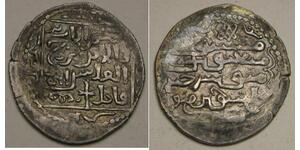
During the medieval period, currency circulation was often determined by who controlled local ports or trade passes. Following Arab conquests in earlier centuries and subsequent domination by Persia and later Ottoman suzerainty during late antiquity through into modern history periods under Russian Empire rule—coins minted outside Georgia but used locally were common. Silver Dinars and Toman pieces bearing regional calligraphy circulated extensively because the region produced valuable metals.
A major shift occurred in the 19th century when sovereignty transitioned to vassalage with Russia during Russo-Georgian conflicts. The introduction of Imperial Russian rubles facilitated trade but suppressed native numismatic independence until the dissolution of the Soviet Union, which left a legacy widely known by today's collectors through historical context rather than local production history.
Mints and Coin Production
Tbilisi became the center of artistic evolution in later years under national independence.
Throughout much of its existence, there was no centralized minting infrastructure within Georgia's borders operating independently. Artistic styles were imported from Constantinople or modeled after Persian calligraphy during specific periods when local kings retained some autonomy but lacked full currency issuance rights. This meant that numismatic history is often studied through archaeological finds rather than production records.
With the re-emergence of a national identity in 2019, modern coinage designs incorporated elements reflecting centuries-old cultural heritage such as cross motifs on crosses or imagery representing local agriculture and traditional crafts. These new issues were struck after restoring control over currency policy which had been absent since early independence years.
Notable Coins
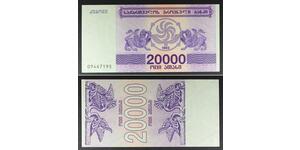
- Soviet Transition Series: The most recognizable items for modern collectors relate to the period immediately following 1995, when local banks began replacing Soviet rubles with new denominations. While these were functionally standard issues circulating across former republics rather than strictly minted locally initially, they hold significant historical value as witnesses to economic reconstruction.
- Museum Gold Issues: Modern commemorative pieces produced under the national program often feature high-relief crosses or imagery from ancient kingdoms. These are struck on precious metal planchets using advanced technology and reflect traditional craftsmanship rather than purely industrial production methods.
- Ancient Silver Hoards: While not "coins" in the circulation sense during their original use, medieval silver pieces found within archaeological sites offer collectors a tangible connection to regional trade history involving Byzantine and Islamic influences blending into local economy systems.
Cultural Legacy
Coins serve as mirrors of national identity formation over time.
The enduring cultural significance lies in how each design element reflects the nation's resilience. When a cross replaces an imperial crown or foreign ruler profile, it signifies reclaimed independence and religious heritage central to daily life for centuries before modern industrialization arrived on local shores through contact with Western markets via coastal ports of Batumi.
The transition from purely functional currency pieces carrying no national representation during the imperial era was finally replaced by designs celebrating indigenous history. This shift mirrors broader societal movements toward reclaiming cultural narratives after decades of assimilation policies or regional dominance which had previously suppressed local linguistic and artistic expressions in trade mediums.
For Collectors
Why Georgia remains a compelling topic for those entering the hobby today.
The historical narrative surrounding this nation offers depth to numismatic collections seeking items with provenance beyond standard issue circulation. The absence of continuous native coinage until independence creates unique collecting challenges where buyers look toward archaeological specimens or commemorative strikes that honor national symbols restored after long periods of foreign currency usage within borders previously under Soviet administration.
Possession of any item bearing the distinct cross motif alongside traditional script is rare and represents a connection to both ancient trade history found in museums today. For auction acquisitions focused on post-independence transition, pieces featuring specific historical motifs provide educational context regarding economic rebuilding efforts undertaken by local banks during their first decade after statehood.
Historical Background
The narrative begins in antiquity when the territory known today as modern-day Georgia stood at the intersection of major trade routes connecting Central Asia with Europe. The region's identity was defined by a complex interplay between local kingdoms, powerful empires like Rome and Persia, and later Arab Caliphates. This unique geographical position fostered an economy heavily reliant on silk and wine exports along the Silk Road before those networks became maritime dominant.
Cultural development shifted significantly with the conversion to Christianity in 319 CE, which established a distinct Orthodox identity separate from surrounding pagan or Islamic regions. The establishment of monasteries required economic stability and often involved interaction with foreign mints that produced gold solidi circulating within the realm during the Byzantine sphere's influence. However, repeated invasions by Arab forces and later Mongol campaigns disrupted local minting traditions for centuries.
Currency and Coinage History
Money evolved alongside the changing political masters of this region.
During the medieval period, currency circulation was often determined by who controlled local ports or trade passes. Following Arab conquests in earlier centuries and subsequent domination by Persia and later Ottoman suzerainty during late antiquity through into modern history periods under Russian Empire rule—coins minted outside Georgia but used locally were common. Silver Dinars and Toman pieces bearing regional calligraphy circulated extensively because the region produced valuable metals.
A major shift occurred in the 19th century when sovereignty transitioned to vassalage with Russia during Russo-Georgian conflicts. The introduction of Imperial Russian rubles facilitated trade but suppressed native numismatic independence until the dissolution of the Soviet Union, which left a legacy widely known by today's collectors through historical context rather than local production history.
Mints and Coin Production
Tbilisi became the center of artistic evolution in later years under national independence.
Throughout much of its existence, there was no centralized minting infrastructure within Georgia's borders operating independently. Artistic styles were imported from Constantinople or modeled after Persian calligraphy during specific periods when local kings retained some autonomy but lacked full currency issuance rights. This meant that numismatic history is often studied through archaeological finds rather than production records.
With the re-emergence of a national identity in 2019, modern coinage designs incorporated elements reflecting centuries-old cultural heritage such as cross motifs on crosses or imagery representing local agriculture and traditional crafts. These new issues were struck after restoring control over currency policy which had been absent since early independence years.
Notable Coins
- The most recognizable items for modern collectors relate to the period immediately following transition when local banks began replacing Soviet rubles with new denominations. While these were functionally standard issues circulating across former republics rather than strictly minted locally initially, they hold significant historical value as witnesses to economic reconstruction.
- Modern commemorative pieces produced under the national program often feature high-relief crosses or imagery representing ancient kingdoms. These are struck on precious metal planchets using advanced technology and reflect traditional craftsmanship rather than purely industrial production methods.
Cultural Legacy
Coins serve as mirrors of national identity formation over time.
The enduring cultural significance lies in how each design element reflects the nation's resilience. When a cross replaces an imperial crown or foreign ruler profile, it signifies reclaimed independence and religious heritage central to daily life for centuries before modern industrialization arrived on local shores through contact with Western markets via coastal ports of Batumi.
The transition from purely functional currency pieces carrying no national representation during the imperial era was finally replaced by designs celebrating indigenous history. This shift mirrors broader societal movements toward reclaiming cultural narratives after decades of assimilation policies or regional dominance which had previously suppressed local linguistic and artistic expressions in trade mediums.
For collectors
Why Georgia remains a compelling topic for those entering the hobby today.
The historical narrative surrounding this nation offers depth to numismatic collections seeking items with provenance beyond standard issue circulation. The absence of continuous native coinage until independence creates unique collecting challenges where buyers look toward archaeological specimens or commemorative strikes that honor national symbols restored after long periods of foreign currency usage within borders previously under Soviet administration.
Possession of any item bearing the distinct cross motif alongside traditional script is rare and represents a connection to both ancient trade history found in museums today. For auction acquisitions focused on post-independence transition, pieces featuring specific historical motifs provide educational context regarding economic rebuilding efforts undertaken by local banks during their first decade after statehood.