| View |

 Abkhazia (1994 - )
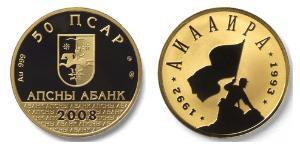
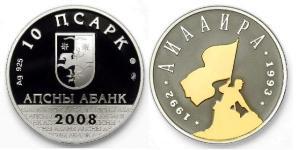
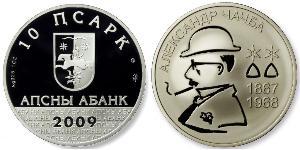
| Abkhazia (1994 - ) | Link to Wikipedia |
Abkhazia: History, Coinage and Collectibles
Historical Background
To understand the unique character of Abkhazian currency, one must first travel back through time to a rugged coastline where empires rose and fell along the eastern shores of the Black Sea. For centuries, this region sat at a crossroads connecting Europe and Asia, serving as a vibrant hub for commerce that predates many written records in Europe itself.
The land has long been defined by its interaction with powerful neighbors. During antiquity, Greek colonists known as Samosateans arrived on the shores of Pyraji (modern-day Sukhum), establishing settlements that fostered a distinct Hellenized culture among the local Abkhaz tribes. This period left an indelible mark on the region's art and language, themes which frequently appear later in commemorative designs.
In 1583, during Ottoman expansion, control of these territories shifted hands between various powers before being acquired by the Russian Empire in subsequent centuries. This transition was significant for trade; as a gateway to Central Asia and the Caucasus mountain routes known historically as the Silk Road's northern terminus, Abkhazia facilitated commerce through goods like cotton, silk, and local timber.
The integration into larger empires meant that while local barter systems thrived on agricultural surplus and craft exchange, standardized currency flowed in from St. Petersburg and Tbilisi during Russian rule. The economy was heavily tied to fishing fleets leaving the port of Pitsunda, a bustling trade center where gold coins circulated alongside silver rubles imported through imperial postal routes.
The cultural identity remained resilient despite shifting borders. From ancient cave monasteries like Uplistsikhe carved into stone mountainsides, which served as spiritual centers for early inhabitants and were later preserved by modern heritage programs, to the preservation of traditional dress in villages along the coast, Abkhazia retained a distinct soul within larger political constructs.
Currency and Coinage History
The evolution of money in this region reflects its turbulent history. Before Soviet consolidation, local merchants often used silver ingots or trade tokens backed by grain harvests to facilitate transactions between coastal fishermen and inland shepherds. True state-issued coinage bearing the name Abkhazia did not emerge until later administrative eras.
A major shift occurred during the early twentieth century as economic structures in the Soviet Union became more centralized. The region adopted standard Russian rubles, yet local artistic movements encouraged minting special denominations to celebrate regional achievements within the union framework. By 1940 and again after World War II, specific silver tokens were issued featuring motifs representative of Abkhaz culture, though these circulated primarily as souvenirs or for ceremonial exchange rather than general trade.
The post-Soviet era brought a new wave of economic activity driven by tourism development in the resort towns along the coast. New coin types emerged designed to promote national heritage through numismatic art. These pieces served not only monetary functions but also acted as cultural ambassadors, depicting scenes from local folklore and natural landscapes that had no direct competitor elsewhere.
Mints and Coin Production
The physical creation of these artifacts is a fascinating blend of centralization and regional pride. Most coinage bearing Abkhazian motifs was produced in major Soviet-era mints, most notably the mint located in Tbilisi or sometimes Moscow. While modern production facilities operate with high-tech equipment capable of precision striking on gold, silver, and platinum, these pieces are often cast to honor specific historical dates.
Mint masters from across former imperial states selected designs that highlighted Abkhaz resilience without political commentary. Techniques evolved over decades; early issues relied heavily on relief embossing for commemorative medals, while modern coins utilize milled dies capable of fine details in national costume embroidery or floral patterns found native to the local rose varieties.
A distinct artistic characteristic is seen in how light and shadow are used in coin design. Because much art was inspired by ancient cave paintings from cliff faces, early reproductions emphasized linear depth rather than flat shading. As printing technology advanced, later issues focused on texture—using micro-engraved dots to create gradients for rose petals or fabric folds.
Notable Coins
The Abkhazian collectionist has access to several historically significant types that define the field of regional numismatics. While not always high in volume, these pieces carry unique provenance stories regarding their origins and historical purpose.
- Soviet Era Commemoratives:
Coins issued during Soviet times to celebrate the tenth anniversary of cultural autonomy are among the most sought after. These silver denominations often featured profiles in national costume alongside text celebrating the linguistic heritage of the region. The importance here lies not just in their metal content but as documentation of a specific moment where local identity was elevated within imperial structures.
- Late Imperial Tokens:
Few examples survive from late Russian administrative periods, often found alongside Georgian rubles. Their scarcity makes them valuable not for rarity alone but because they represent the transition period where local identity began to be codified in official design standards.
- Cultural Heritage Issues:
The most interesting modern pieces feature designs based on ancient pottery shards or cave art replicas. These serve as historical markers connecting the past with present-day collecting traditions, bridging centuries of history into a single silver alloy.
Cultural Legacy
Above all else, these items reflect culture rather than economics alone. The design philosophy prioritizes the Abkhaz language and symbols found within its oral tradition over generic imperial imagery used in neighboring territories.
- National Identity:
Coinage serves as a vessel for identity preservation, allowing younger generations to recognize their heritage through the tangible presence of cultural figures on silver surfaces. Artistic depictions include local poets and scholars whose names rarely appear in standard textbooks but are immortalized here.
- Symbols:
Natural elements like pine forests, coastal cliffs, and the rose flower—often called the national emblem of this territory—are used repeatedly. These motifs provide a visual language that communicates belonging without needing political explanation.
For Collectors
This region remains vital for collectors interested in world numismatics because it offers unique artifacts with minimal overlap between European and Asian historical periods.
- Rarity:
The low mintage numbers during specific cultural festivals mean that finding a complete set requires patience. These pieces are often found in circulated conditions, making them excellent for those who appreciate natural patina over perfect preservation.
- Educational Value:
Beyond their aesthetic appeal, these items serve as historical records of a place that resisted full assimilation into larger empires. They stand alongside similar regional issues from Georgia or Russia but offer distinct iconography related to the local linguistic community.