| View |
| preceded by | ||||
|
||||

|
|||||||
 Electorate of Baden (1803–1806)
|
|||||||

| succeeded by | ||||
|

| Electorate of Baden (1803–1806) | Link to Wikipedia |
Electorate of Baden: History, Coinage and Collectibles
Welcome to an exploration of one of Germany’s most historically significant regions through its silver and gold currency. As we step into the history books of southwestern Europe, we find ourselves in a land that serves as a bridge between the great powers of Central Asia and Western civilization.
Historical Background
The heartland of this territory lay within the borders of what is now Baden-Württemberg. It was defined by rich valleys carved into the Black Forest mountains, which provided not only timber but also iron ore essential for industrial growth during the 19th century.
In its early centuries, it flourished as a trade corridor connecting Northern and Southern Europe through the Rhine Valley. The region’s political evolution was deeply intertwined with the Holy Roman Empire. As various ducal branches sought to secure independence from imperial oversight, they developed distinct administrative identities that would later influence their national mints.
Following the Napoleonic reorganization of German states, this territory became one of several significant entities within the European economic order. The region underwent rapid industrialization compared to its neighbors. New factories arose along riverbanks in cities like Karlsruhe and Mannheim. This surge in commerce created a demand for stable currency that could facilitate trade across borders without excessive friction.
The cultural fabric was rich with Romanticism, emphasizing nature, local history, and architectural heritage. The state administration prioritized education and the arts during this period of prosperity. These values were reflected not only in their public buildings but also on their official stamps, which adorned metal pieces that circulated through countless pockets across Europe.
Currency and Coinage History
The evolution of money in this region followed a path typical for central European states during the 18th and early 19th centuries. Initially, the state relied on traditional coinage standards set by the Imperial treasury. These coins were often silver thalers or ducats minted to specifications acceptable across Germany.
However, following the era of Napoleonic influence, a shift occurred that changed the monetary landscape entirely. The region was introduced to decimalized currency systems derived from French models during periods of political alignment and reform. This transition marked a turning point for commerce in Black Forest trade networks. Merchants required coins with consistent value, prompting mints to prioritize high-purity standards over decorative excess.
In the latter half of the 19th century, as national unification began taking shape within Germany, regional minting evolved into participation in a broader imperial monetary structure yet maintained distinct stylistic signatures. This period is considered particularly valuable for collectors today because it represents the transition from local sovereign issues to modern standardized denominations used throughout the German Reich.
Mints and Coin Production
The capital city of Karlsruhe served as the primary hub where silver, gold, and copper pieces were struck. The mint facilities housed master engravers trained in classical traditions but encouraged by contemporary artistic movements like Neoclassicism.
- Precision Tools: The introduction of steam-powered screw presses replaced manual hammers around 1840s.
- Metal Quality: Local deposits provided high-grade silver, allowing for lustrous coins compared to regional neighbors who relied on imported bullion.
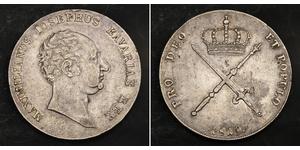
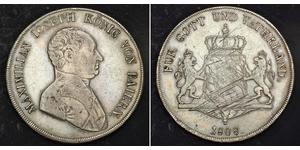
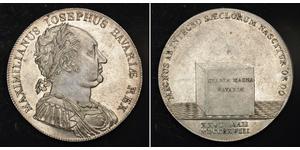
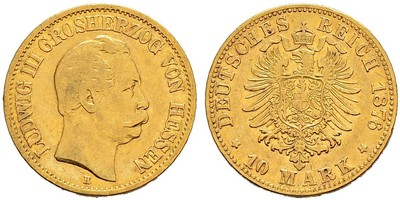
The artistic output from this mint is unique. Unlike many German states that simply copied Berlin or Vienna designs early in the century, these mints often commissioned local artists to create original die work. You will find portraits of rulers rendered with softer features than Prussian counterparts, and floral motifs derived directly from regional botanical gardens appear alongside official eagles on denominations.
Notable Coins
To understand the value and appeal to collectors today, we must examine a few specific issues that define this region's numismatic legacy. Each piece tells a story of governance or economic change.
- The Groschen Series (Early 19th Century):
Minted during the transition from Imperial standards to local coinage, these silver pieces feature intricate heraldic shields representing different branches of rule. They are highly valued because they document the fragmented nature of German sovereignty before unification.
- The French-Influenced 15 Denier:
This copper-nickel piece reflects a time when local economies adopted decimalized standards to compete with international trade. While rare in high grades, they tell the story of Baden's participation in global monetary shifts.
- The Silver Francs (Late 19th Century):
Minted during German unification talks and after these discussions settled. They bear the imperial crown but often feature simplified designs that highlight state autonomy within a larger federation. For collectors, finding one in original mint condition is rare.
- The Gold Ducats:
Minted for major sovereigns or ceremonial occasions during industrialization peaks, these pieces display the wealth generated by local mining and banking sectors before 1902. They are prized today not just for gold content but for their rarity of issue.
Cultural Legacy
The coinage of this territory serves as a historical mirror reflecting its people's values and economic ambitions during pivotal times in European history. In an era where metal circulated freely across borders, each piece became part of the cultural memory shared by thousands of individuals who used it for taxes or trade.
You will often find portraits on coins that highlight specific family dynasties rather than a single emperor name until later decades. The choice to keep local rulers' faces prominent speaks volumes about regional pride amidst unification trends. Religious symbols like the cross and national motifs of oak leaves appear frequently, signaling the dual identity as both an Orthodox Christian land within Protestant-influenced politics.
The industrial strength required for consistent minting also tells a story of technological advancement from manual craft to mechanized production that parallels modern progress in other fields. Collectors should view these pieces not just as metal, but as records of cultural shifts and artistic evolution over centuries.
For collectors
This region offers significant depth for those seeking to assemble a collection focused on German history or European numismatics. Its value lies in the documentation of economic transition from localized sovereignty to national cooperation between states before the modern era was fully realized in 1870s.
- Investment Potential:
Pieces with exceptional preservation grades often command higher premiums among serious auction buyers looking for European silver content or historical artifacts related to Napoleonic occupation periods. The market values these items based on their ability to narrate a complete story of sovereignty and change.
- Rarity Indicators:
Focusing your search on dates corresponding with major economic reforms will yield better results than generic random issues from the 18th century. The scarcity arises when production shifts caused older stocks to enter circulation later or during short administrative changes.
The legacy of this Electorate continues in modern numismatic museums and private holdings worldwide today, preserving a memory of its rich heritage through silver preserved for generations of admiration among enthusiasts dedicated to history preservation efforts across Europe. When examining these items at an auction desk next season, remember that the design tells us more about local identity than official government decrees alone.