| View |

 Safavid dynasty (1501-1736)
| Safavid dynasty (1501-1736) | Link to Wikipedia |
Safavid Iran: History, Coinage and Collectibles
Welcome patrons and historians alike to an exploration of a civilization where art, faith, and commerce met at the royal mint. The Safavid era stands as one of the most transformative periods in Persian history. For our esteemed guests who appreciate the finer nuances of historical numismatics, this collection offers a portal into the soul of the empire itself.
Historical Background
The narrative begins with Ismail I's ascension to power following his conquest of Tabriz in 1501. This event was not merely political but profound cultural and religious. While claiming descent from Muhammad through Alid lineage, the ruling house navigated a complex identity landscape rooted initially in Kurdish origins within Ardabil before expanding across Greater Iran. Ismail I established Twelver Shi'ism as the state religion, a monumental decision that reshaped the demographics of Islam.
The Safavids were often perceived by outsiders as Turkified warriors but identified themselves deeply with pre-Islamic Persian heroes like Jamshid and Fereydun in their poetry. This duality is crucial for understanding coinage design: one side honored Islamic tradition, while the other sought to revitalize ancient Iranian prestige.
This era witnessed a deliberate economic revival of Iran as an economic stronghold between East and West. It was during this period that the Safavids reasserted their national identity against surrounding neighbors like the Ottomans and Mughals. This consolidation required robust communication systems, for which currency served as the lifeblood.
Currency and Coinage History
The monetary evolution of the region is a testament to its role on major trade arteries such as the Silk Road. Following initial conquests in 1501, the new administration required standardization. The silver Tuman became the dominant denomination for commercial transactions among merchants traveling from India and Turkey to Safavid cities.
The gold Dinars served the upper echelons of society and international trade with European powers. Unlike earlier Islamic dynasties that might have restricted minting or relied on fluctuating tribute metals, the Safavids pursued strict control over monetary output to fund their ambitious bureaucracy and military needs. This stability in currency is a direct reflection of the efficient state apparatus described by historians as being based upon "checks and balances".
The period saw significant reforms under Tahmasp I and particularly Shah Abbas I, who turned Isfahan into one of the world's greatest metropolises requiring substantial funds. As commerce grew so too did the complexity of coinage design, allowing for intricate minting traditions that rivalled any contemporary European court.
Mints and Coin Production
The production centers shifted dramatically from early outposts like Ardabil to grand capitals such as Isfahan by the late seventeenth century. The technology employed represented a pinnacle of artistic craftsmanship in an era when mechanical presses were rare; most coins remained struck manually, ensuring that each piece was unique or part of very tight batches.
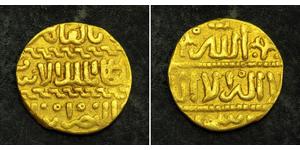
The mints utilized advanced typography and calligraphy teams. Early Safavid coinage featured heavy Arabic script on the reverse reading "Allahu Akbar" (God is greatest), while obverse legends often began with religious titles before evolving to include personal names in Naskh or Persian scripts that reflected the rising literary influence.
The artistic characteristic of these coins was distinct from their neighbors. The Ottomans and Mughals maintained strict aniconism, avoiding portraits. In contrast, later Safavid coinage embraced a humanistic approach under Shah Abbas I, featuring detailed busts adorned with diadems reminiscent of ancient Achaemenid kings. This artistic license is one of the primary reasons collectors seek these issues over those from other Islamic states.
Notable Coins
The most historically significant coins originate during the reign of Shah Abbas I, who ruled in the mid-1600s before Isfahan's decline. These pieces are prized for their aesthetic perfection and historical rarity.
- Silver Tuman of Tahmasp II:A transitional coin from a period where religious orthodoxy clashed with artistic expression. The legends often reflect the struggle between traditional Shi'ism and older practices.
- Mohammad Khan's Silver Coins: Though belonging to later years, these coins display high-quality minting techniques inherited directly from Abbas I before his successors diminished quality in favor of cost-cutting measures during internal strife.
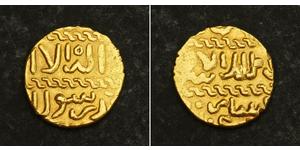
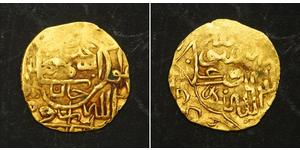
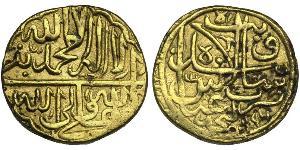
- The Golden Dinars:Rare gold specimens produced under Shah Ismail and the early Safavids. These carry immense numismatic value due to their scarcity, serving as a tangible measure of wealth that survived into modern auctions.
A particular collector's treasure lies in coins minted during the reigns of Tahmasp I. The legends on these pieces often feature "Allahu Akbar" surrounded by floral borders reminiscent of garden designs found in contemporary architecture, bridging the gap between numismatics and art history.
Cultural Legacy
The coinage acts as a mirror to the empire's cultural zenith. Just as the Safavids patronized fine arts and supported grand architectural projects like mosques built with blue tiles (a style later mirrored in garden layouts), they applied similar aesthetics to currency.
Religious legacy is visible through the calligraphic styles used on reverses, while the obverse portraits reflect a cultural renaissance. The shift from purely religious legends to Persian-language inscriptions mirrors the dynasty's political strategy of integrating diverse populations and legitimizing their rule over "Iranian" territory rather than just Islamic conquest.
This legacy endures in museums today where silver Tuman pieces are displayed alongside Safavid miniatures. They stand as proof that while an empire may fall, its economic identity leaves a mark through the objects it produced for trade and governance.
For Collectors
In conclusion, this dynasty remains vital to numismatists because of how perfectly their coinage encapsulates the transition from tribal warrior groups to a sophisticated bureaucratic state. The coins are not merely metal but bear witness to religious shifts, artistic movements in miniature art, and architectural patronage.
The scarcity of early Ismail I specimens combined with the high aesthetic quality of Abbas II issues makes this category highly sought after by auction buyers worldwide. For those who appreciate objects that carry historical weight without explicit political commentary from modern states, Safavid coins offer a rare glimpse into the heart of an empire once considered one of the gunpowder empires.