| View |
| preceded by | |
|
|||||||
 Habsburg Spain (1506 - 1700)
|
|||||||

| succeeded by | ||||
|
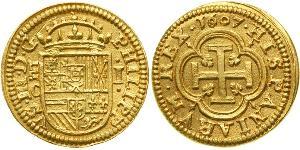
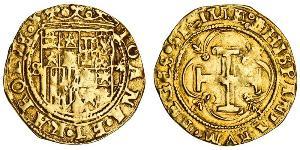
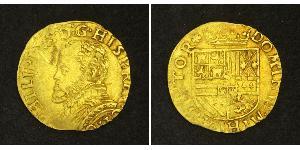
| Habsburg Spain (1506 - 1700) | Link to Wikipedia |
Habsburg Spain: History, Coinage and Collectibles
Welcome to an exploration of one of the most powerful monetary systems in human history. The Habsburg era transformed the European map into a sprawling empire where silver from the Americas fueled global commerce. For collectors today, understanding this period requires stepping away from modern numismatic catalogues and diving deep into the cultural weight carried by metal coins.
Historical Background
The Habsburg dynasty forged an alliance that would redefine sovereignty for nearly two centuries. Under Charles V, Spain became central to a global network of politics and trade connecting Europe with the Americas and Asia. This unification came at immense logistical cost; maintaining control over vast territories required robust economic stability which was mirrored directly in their currency systems.
The cultural landscape shifted dramatically under Philip II. His reign saw a consolidation of power that emphasized orthodoxy and centralized authority, heavily influencing how wealth flowed through the kingdom. The influx of silver from mines like Potosi changed the global economy overnight, creating an inflationary pressure known as the Price Revolution in Europe. This period was not merely about war or conquest but established Spain's reputation for holding large amounts of bullion.
The religious fervor of the era also played a crucial role in daily life and commerce. The Crown used coinage to assert royal authority over local jurisdictions, ensuring that money circulated only when sanctioned by Madrid. This centralized monetary control was a hallmark of their political ambition. Trade routes became lifelines for silver imports which were then melted down into new denominations to fund wars against the Ottoman Empire or France.
Currency and Coinage History
Before Spain dominated global trade, local barter systems prevailed in many regions they controlled. The Habsburg administration introduced standardization that brought predictability to international commerce. Initially, the economy relied on copper coins known as Maravedí for small transactions within the domestic market.
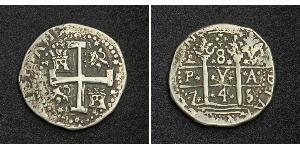
The cornerstone of their numismatic legacy was the silver piece designed initially at one-eighth of a ducat denomination but eventually standardized into what we recognize today as the Spanish Dollar or Piece of Eight. This coin became the backbone of maritime trade across three continents because its value remained relatively stable compared to other local currencies which fluctuated wildly due to poor minting standards in rival nations.
Mint reforms were necessary to combat debasement and ensure trust among merchants. Reforms during the late sixteenth century increased silver purity requirements, allowing Spanish sovereigns to maintain their high reputation despite massive output volumes. This era taught collectors that quality control was vital for maintaining a currency's acceptance in international markets.
Mints and Coin Production
The production of coins varied significantly by location due to the decentralized nature of European commerce at that time. Major mints operated within cities such as Seville, Toledo, Burgos, and Barcelona before shifting focus towards American colonial locations like Santo Domingo later on.
Artistic characteristics defined much about a coin's age or origin under Spanish rule during this period. Early coins featured classical Roman influence with idealized portraits that reflected the grandeur of Renaissance art styles prevalent in Italy where artists often trained local sculptors before returning to Spain.
Mint technologies evolved from simple hand-hammering techniques used by small workshops to sophisticated press mechanisms found under Philip IV which allowed for tighter control over weight and thickness. Countermarks were frequently added on silver bullion coins imported into Spanish ports, marking their acceptance in trade rather than mint origin.
Notable Coins
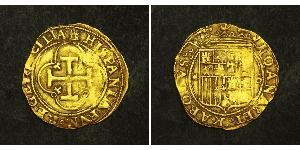
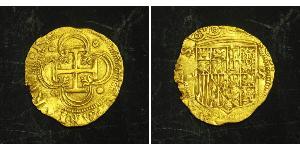
The most sought-after coin from this lineage is undoubtedly the standard Eight Reales piece of Philip II or his successors. These pieces feature the Virgin Mary with a crown upon her head on one side and the arms of Spain surrounded by garlands on reverse, emphasizing piety alongside royal authority.
A significant collector category includes the copper Maravedí under Felipe IV which are incredibly scarce today due to their high wear in circulation or melting during times of financial need. Finding an uncirculated state for these small denomination coins is a rarity that offers history enthusiasts tangible proof of daily life costs three centuries ago.
Certain varieties carry historical significance beyond mere design variation; countermarked silver from Seville versus Cadiz carries different prestige among collectors depending on the market demand at time of issue. Coins bearing mint marks indicating production outside royal oversight often fetch lower prices compared to those struck under official supervision in major cities like Madrid.
Cultural Legacy
The coinage reflects a society where religion and state power were inseparable entities driving economic policy. The imagery chosen for denominations depicted the Virgin Mary rather than purely nationalistic symbols which suggests how piety was intertwined with loyalty to crown during centuries of rule.
Economic policies dictated production techniques as well; strict laws against counterfeiting meant that any deviation in weight or alloy composition marked a coin as suspect within local markets. The artistic style used on these coins set international standards for other nations wishing to emulate Spanish reliability through their own monetary issuances, influencing designs across North America and Europe.
For collectors
Understanding the historical context elevates collecting beyond simple accumulation of metal objects into appreciation of geopolitical history. The pieces mentioned above represent centuries where commerce depended heavily on maritime security which made minting locations prime targets for piracy during Golden Age exploration era events.
Rare condition examples hold particular value due to scarcity caused by melting down practices common throughout the seventeenth century when governments needed bullion for military campaigns or architectural projects. Patina found naturally over time tells a story of how much use each piece received across oceans while traveling between Europe and colonies before reaching modern auction rooms.
This dynasty left behind artifacts that serve as gateways into understanding global economic history without needing to read dry academic texts about treaties or battles alone. Collectors engage with tangible pieces where art meets economy, proving useful for educational purposes today alongside investment goals which rely on historical provenance documentation rather than speculative market trends.