| View |
| preceded by | |
|
|||||||
| British Honduras (1862-1981) | |||||||

| succeeded by | ||||
|

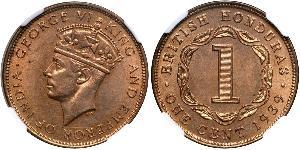
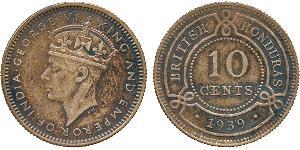
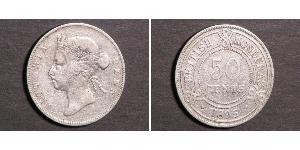
| British Honduras (1862-1981) | Link to Wikipedia |
British Honduras: History, Coinage and Collectibles
Welcome to an exploration of a remarkable chapter in global numismatics, where silver coins from distant mints met with Caribbean trade winds under British administration. This piece serves as a guide for enthusiasts seeking the historical tapestry woven into the currency of former British Honduras.
Historical Background
The story begins not merely on a map but in the heart of commerce and natural resource extraction. During the seventeenth century, the Bay of Belize emerged from Spanish maritime dominance as a vital free port where pirates turned traders established settlements focused entirely on logging operations. The region’s economy was built upon logwood and greenheart trees, commodities that drove global trade routes across the Atlantic.
The Evolution of Sovereignty
- In 1690s trading posts were established by British sailors seeking to protect their interests from Spanish patrols.
- A royal proclamation was passed in 1783 formally recognizing the settlement as a free port under British protection against Spain.
- The administration gradually shifted towards colonial governance, culminating in self-governance and independence within the Commonwealth realm.
This economic foundation required liquidity that did not exist naturally. Early commerce relied on foreign silver brought from other colonies to facilitate daily transactions before Britain established a formal local monetary framework during its period of Crown Colony status. The economy was characterized by fluctuations dependent heavily upon Caribbean and North American markets, requiring stable currency to maintain credit lines.
The colonial administration remained in charge while the country prepared for self-determination in 1964, leading eventually toward full independence. Throughout this era, coinage served as a tangible record of shifting political landscapes within the empire's territories.
Currency and Coinage History
The Dollar Standard Era
- Prior to 1860s British regulation, Mexican silver dollars served as de facto legal tender for local trade needs due to volume of imports.
- This practice shifted after the introduction of sterling denominations by official proclamation in later decades.
The Shift Towards Sterling
The transition from foreign currency circulation to standardized British coinage was a deliberate policy step taken to align economic systems with metropolitan expectations. As self-governance approached, the need for coins bearing specific colonial distinctions became important for fostering national identity without breaking imperial trade ties.The Transition Period
Coin production during this period reflects careful legal steps where new coin designs often bore royal portraits until independence was officially enacted in 1981. During these years, denominations circulated as part of a mixed economy that included foreign currency alongside locally authorized British mintage.Mints and Coin Production
The Location of the Minting Process
Most coins circulating in this region were not struck within local borders during most of their colonial existence. Instead, they arrived via sea routes from Royal Mints based primarily in London or specialized facilities operating under British oversight elsewhere in the Empire. Production centers located on other islands also contributed copper and silver issues designated for use as legal tender.Minting Traditions
The technology used involved standard dies produced at national mints, featuring tropical flora imagery added during later transition phases to denote unique regional identity within a shared imperial framework. Artists often incorporated local landscapes or symbols of the region into designs that would not appear on coins issued for other territories.Technological Characteristics
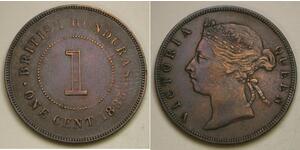
The shift from silver dollars in foreign trade coinage to smaller denominations allowed traders and merchants to use standardized currency for daily transactions without reliance on large-value exchange media. The copper penny circulated widely, but its production quality varied significantly based on the specific mint that produced it.Notable Coins
The Half Crown with Royal Portrait (1890s - 1945)
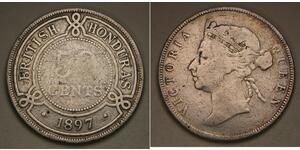
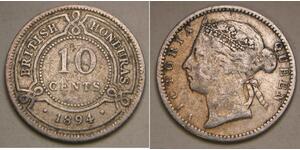
This silver denomination served as a high-value circulating currency representing wealth stability during industrial growth periods. The coin featured King George V and later his successors, depicting imperial continuity amidst changing political climates.The Silver Dollar IssuesIn early commerce phases, specific issues of East Indian dollars circulated alongside Spanish milled coins before British regulation unified denominations under the pound standard for local use by traders within port districts like Belize City. These served as essential trade mediums.
Copper Denominations (Half Pennies and Pence)The smallest units were copper pieces struck to assist farmers, lumbermen, and dock workers in their daily exchanges across markets where barter or large silver was impractical for minor transactions.
Cultural Legacy
Reflection of Society Through Metal
The coinage evolved alongside a population deeply influenced by British colonial rule yet maintaining strong indigenous connections. Designs that eventually emerged in the transition to independence often reflected multiracial societies and unique Caribbean aesthetics.This numismatic record shows how colonies maintained distinct visual identities within broader imperial frameworks while navigating economic stability against external trade pressures from global markets.
- Symbols of local flora were introduced slowly as national pride grew. The use of British monarch portraits remained standard until independence necessitated a complete redesign process, illustrating the gradual cultural shift without political upheaval in coin design standards. Rarity often correlated with early circulation issues that entered general commerce quickly rather than being kept specifically for reserve storage or official government reserves before release to public trade.
The legacy of this currency remains embedded within historical records, where specific coins represent the transition from colonial dependency toward full national sovereignty in ways distinct from neighboring Caribbean territories with similar histories but different administrative timelines.
For Collectors
British Honduras offers a unique opportunity for collectors to complete world-wide numismatic series by acquiring pieces that bridge the gap between British Commonwealth administration and emerging local independence narratives.
- Coinage from this period documents trade history during significant global economic shifts like pre-WWII growth or post-war reconstruction efforts in Caribbean markets. Rare examples often reflect early circulation stages before large-scale minting standardization across all territories occurred, presenting an opportunity to study the evolution of local currency policy decisions made by London authorities.
The historical narrative behind each coin reveals much about trade routes, political relationships, and artistic trends that extended from Europe to the Americas. Whether studying a circulated penny or seeking higher denomination silver for preservation, these artifacts offer direct access to understanding how colonial economies functioned before modern state boundaries were fully established.
This region remains one of the most historically significant entries in numismatics because its coinage history spans decades where monetary policy defined economic success and independence. Collecting provides a tactile link to that era when trade winds dictated global wealth distribution patterns across Atlantic markets during the nineteenth and twentieth centuries.
Closing
We hope this narrative has offered perspective on why these coins remain relevant in modern numismatic collections today, not just as paper currency values but as physical tokens of a rich colonial history that shaped nations within our own hemisphere. Enjoy your hunt for historical treasures from British Honduras.