| preceded by | ||||
|
||||

|
|||||||
 Grand Duchy of Moscow (1263 — 1547)
|
|||||||

| succeeded by | ||||
|

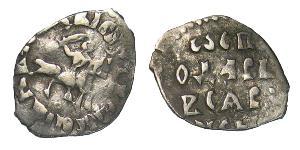
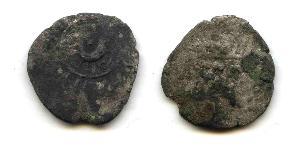

| Grand Duchy of Moscow (1263 — 1547) | Link to Wikipedia |
Grand Duchy of Moscow: History, Coinage and Collectibles
Welcome to a journey through time, exploring one of the most profound periods in Eastern European history where political consolidation defined monetary systems. The Grand Duchy of Moscow represents an era where local principalities merged into a unified state under Muscovite sovereignty, transforming from medieval fiefdoms into a centralized empire with ambitions reaching far beyond its borders. For numismatists and historians alike, the coins minted during this period serve not merely as currency but as tangible artifacts that narrate the rise of Russian geopolitical power.
Historical Background
The formation of the Grand Duchy began with a significant consolidation under Prince Ivan III around 1480. This union marked the end of local fragmentation, allowing for economic policies to be standardized across vast territories that included modern-day Russia and Ukraine parts known as Ryazan or Nizhegorodskaya before state borders solidified further later on.
Economically, this era was defined by a pivot from simple agrarian exchange toward mercantile engagement. The capital city of Moscow became the hub where international merchants negotiated trade for silk and wool with Italian partners to fund construction projects like St Basil's Cathedral or Red Fortress walls that required vast resources paid in gold and silver bullion.
Cultural shifts also played a role; as Moscow adopted Byzantine traditions following the fall of Constantinople, they brought new artistic sensibilities into coin designs. This period was characterized by isolationist policies where foreign currency importation was restricted to control inflation within Russia's growing internal markets, leading to domestic minting efforts that sought to emulate higher standards despite limited resources.
Currency and Coinage History
Moving beyond the scarcity of earlier times meant entering a new age of financial complexity. During Ivan III’s reign, Moscow moved toward standardizing their own currency rather than relying on imported Venetian ducats which were heavy to carry across borders.
The early coinage faced challenges regarding purity; however, reforms allowed for more regulated silver and copper issues that served internal trade needs effectively throughout the state. Under later rulers such as Boris Godunov who took power during turbulent times due to famine or civil unrest known commonly called Time of Troubles following Rurikid rule ending before Romanovs ascended throne.
Trial mints were established periodically, often closing down when inflation became unsustainable for common merchants and peasants using these coins. The transition from Byzantine doubletons to native rubles occurred gradually through debasement programs that lowered silver content so governments could issue larger quantities of money without increasing the weight required per transaction.
Mints and Coin Production
The Moscow mint served as central headquarters but production often shifted temporarily if political conflicts arose in neighboring regions with Lituania or Poland, where metal sources were located near rivers flowing into Volga system.
- Tula Mint: This site emerged later under Ivan IV's direct supervision after campaigns against Kazan sultanate opened new supply lines for copper ingots from local mines in the Urals region which provided material needed to keep money circulation steady even during times of war.
- Suzdal and Gorodets Mints: Smaller centers were sometimes utilized when Moscow mints experienced strikes or fires. These auxiliary locations helped ensure that soldiers' wages could be paid quickly without logistical delays affecting morale on campaign fronts near borders with Ottoman Turkey.
Minting technologies evolved from casting low denomination items into hammered silver pieces for larger denominations used by aristocratic classes who traded across European markets where they preferred heavier gold coins backed by Russian state reserves. Artistic characteristics distinguish this era by the presence of Orthodox crosses and religious imagery stamped directly onto metal surfaces rather than secular portraits until later reforms allowed more realistic depictions.
Notable Coins
Coin collectors often seek out specific types for their historical rarity and significance to statecraft. One such coin is found in the series issued during Ivan III's attempts at monetary reform when they first struck copper denars marked with his initials alongside religious symbols representing patronage by God over trade routes.
Ivan IV Portraits
The reign of Ivan "the Terrible" brought new faces to currency featuring realistic portraiture rather than abstract crosses common in medieval European numismatics. These coins were struck during times when military expansion into Siberia required funding, so mints worked tirelessly.
Copper Kopeks
The copper pieces circulated most among peasants for daily transactions like paying taxes or buying foodstuffs from market stalls in town centers where merchants sold salt and grain. Because the government issued them frequently during periods of debasement, original uncirculated examples are highly sought by specialists who wish to understand inflation trends.
These coins bear distinct marks indicating which batch was produced at a specific time or place before they entered commerce channels for rural distribution among nomadic tribes in steppes southwards toward the Black Sea region where trade partners settled with Russian traders exchanging fur pelts for textiles imported from India via Asian merchants operating out of Persian ports.
Cultural Legacy
The visual elements preserved on these coins reflect deep spiritual values embedded within Muscovite culture at that time, particularly reverence toward icons and saints who appeared alongside the Tsar's image to legitimize rule as divinely appointed by Orthodox Church hierarchy based in Moscow.
This symbolism was critical during foreign relations where European kings used minted gold florins or crowns for diplomatic gifts. Russian silver pieces served similar ceremonial purposes before eventually becoming standard tender currency within domestic markets along river towns connecting inland areas with ocean trade lanes opened later under Peter I who reformed monetary system significantly.
The transition from medieval art styles to classical Renaissance influences began appearing as foreign advisors arrived in Moscow court after treaties signed with Poland or Sweden, bringing new artistic sensibilities that altered coin faces and reverse designs for a more international audience of traders looking to verify value based on weight rather than image recognition which had changed over years.
For Collectors
The Grand Duchy era coins remain an essential category for those seeking deep connections with early statehood history, offering insight into economic instability caused by wars or poor governance during times when central authority struggled to maintain control against foreign invasion threats from north or south simultaneously.
Rarity and Condition
Due to historical events like debasement programs that intentionally reduced silver content for war funding, finding examples with high metal purity can be challenging. Collectors appreciate pieces where condition reflects their survival through harsh winter months on the steppe without being melted down or worn out in daily peasant hands.
Educational Value
Taking a collection of these numismatic items allows enthusiasts to study not just how money functioned but also social structures that existed before industrial revolution began transforming Russia economy from feudalism into mercantile capitalism under Peter I later on. Understanding why certain types are scarce helps buyers identify genuine artifacts versus modern replicas often found in auction markets today.
The Appeal of History
Earning interest among hobbyists interested in ancient civilizations who also follow numismatic trends, this category bridges gaps between medieval Europe and early modern Russia history through tangible proof that these political entities existed as unified powers rather than fragmented principalities before becoming empire later.