| preceded by | |
 Dutch East India Company (1602 - 1798)
|
||||||
|

| succeeded by | ||||
|

| Dutch East India Company (1602 - 1798) | Link to Wikipedia |
Dutch East India Company: History, Coinage and Collectibles
Welcome to our collection of maritime treasures that bridge Europe and Asia. In this gallery, we explore an entity that defies simple classification within modern borders yet stands as a towering pillar in global trade history.
Historical Background
To understand the coinage issued by this organization, one must first grasp its unique political stature during the seventeenth and eighteenth centuries. Founded not merely to transport spices but to secure them through monopoly, the Dutch East India Company established a governance structure that functioned like an empire in all respects except for direct sovereignty over European soil. It operated with private armies, diplomatic powers comparable to nation-states, and vast territories stretching from Madagascar to Japan.
The heart of its expansion was Java, particularly around Batavia (modern-day Jakarta). This location served as the nerve center of trade between India and China, controlling the flow of commodities that fueled European markets. As time passed, this enterprise evolved through different periods of dominance. Initially protected by a strict charter to avoid competition from other merchants within their own nation, it eventually shifted towards becoming more military-focused against competitors like Portugal or Spain.
The cultural backdrop is equally fascinating. This period represented the Dutch Golden Age in Asia. The organization was deeply intertwined with European culture while simultaneously absorbing local Asian artistic influences and trade customs. However, by the mid-eighteenth century, geopolitical shifts began to erode their absolute control. Rival empires emerged, national governments tightened oversight over colonial assets, and internal debt burdens grew unsustainable.
This historical context is vital for numismatists because it explains why coin production varied wildly from standard European currency of that era. When the political landscape was stable under a private monopoly, coins flowed freely as trade tokens or sovereign money. As authority waned in favor of national state control at the close of the eighteenth century, local minting privileges shifted entirely to colonial authorities.
Currency and Coinage History
The evolution of currency within this sphere followed a trajectory common among major trading entities seeking hard cash. In the early years, trade often relied on barter or silver pesos brought from Manila which were already in circulation across South East Asia. However, for domestic use, stability was necessary to manage taxes and wages paid at colonial plantations.
The system eventually adopted a hybrid approach where local mints produced base metal currency specifically designed for daily commerce within the archipelago while reserving precious metals like silver daalders or florins for high-value transactions. These coins were crucial because they replaced heavy foreign coins, creating an internal standard that reduced transaction costs along trade routes between ships docked in Jakarta and inland markets.
Majestic periods of coinage production coincided with peaks in wealth extraction from the spice islands. During times of prosperity, mints operated at full capacity to supply merchants returning on annual voyages back home with silver bullion that was officially minted as coin before shipment for exchange into currency usable in Holland and Europe.
The decline phase brought about changes to denomination values often caused by inflationary pressures from war expenses. Coins were debased—made thinner or of lower alloy content—as the entity struggled to finance defense forces against European rivals who sought to disrupt their monopoly on global commerce routes.
Mints and Coin Production
The location of mint operations was dictated by practical necessity as much as political decree. While Amsterdam served as a headquarters for artistic supervision, most physical coin production occurred far away in port cities like Batavia or Surabaya due to volume demands. Here, local resources were utilized; copper ore mined nearby allowed them to create affordable half-pennies needed by the poor population living within their controlled territories.
The technology used varied between simple hand-stamping for low-volume issues and full striking operations for official silver pieces sent back home or kept in reserve treasuries. Artists employed at these centers faced a unique artistic constraint: they had to communicate with distant authorities in Holland, meaning designs often appeared conservative until approved letters arrived.
A distinguishing feature was the incorporation of specific heraldry representing power rather than individual monarchs since it operated under corporate governance for much of its early existence. Later stages saw portraits stamped onto coins during moments when direct ties to Dutch states were being formally restored or reorganized. These artistic choices reflect a desire to claim legitimacy in regions where they previously held only economic might.
Notable Coins
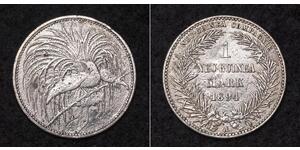
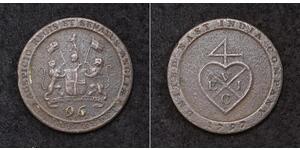
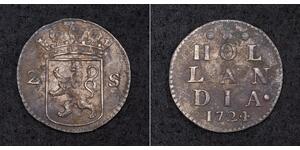
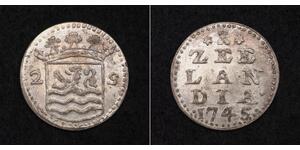
Among the most sought-after pieces are those minted for local circulation, such as copper denominations often featuring simple shields or lion emblems on their faces. These coins were typically found worn down quickly by everyday use in markets selling spices and textiles.
Silver issues intended for trade between Asia and Europe carry historical weight due to specific design choices made during different administrations of the directorate headquarters at Batavia. One significant type displays a shield bearing two lions supporting scales, symbolizing justice within commerce while depicting an elephant—representing strength against rival Asian powers—as part of regional artistic influences on later pieces.
A final notable category includes gold florins produced in small numbers during times when the Dutch Republic sought to establish prestige comparable to major European monarchies. These are relatively rare today because they were often hoarded rather than spent, and many melted down or passed into private hands of visiting merchants before being lost over centuries.
Cultural Legacy
The coins reflect more than just monetary value; they tell a story about the ambition to integrate European law with local traditions. The use of certain motifs on coinage indicates an attempt at diplomacy, where symbols from various nations coexisted subtly on metal surfaces representing international partnerships established during that globalizing era.
Economic stability was central to their ideology because without trade profits supporting state-like obligations they could not sustain military presence needed for security. The artistry captured these ideals by creating coin faces that were both functional currency and propaganda tools used in regions where national flags might have otherwise been absent from public consciousness due to lack of direct rule.
For collectors
This entity remains important because it provides a window into the history of trade empires before they officially became nation-states. Collectors seeking these pieces are often drawn not just by rarity but by understanding how commercial organizations shaped global politics long before modern maps were finalized.
- The historical significance is paramount as each coin serves as proof of existence and authority in specific ports during active trade periods.
- Careful study reveals changes over time that correlate directly with shifts between dominance, debt crises, or reorganization efforts back home.
- Condition matters immensely for those pieces intended to represent high-status transactions rather than everyday local commerce used by laborers.
Holding these artifacts in your hand connects you intimately to centuries of global interaction and economic history. They stand as quiet witnesses to the power dynamics that defined our modern world, preserving a chapter where companies ruled empires through coinage alone.