| preceded by | ||||
|
||||

|
|||||||
 Dutch Malacca (1641 - 1824)
|
|||||||

| succeeded by | ||||
|
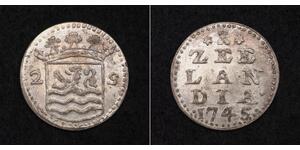
| Dutch Malacca (1641 - 1824) | Link to Wikipedia |
Dutch Malacca: History, Coinage and Collectibles
Welcome to a journey through one of history's most fascinating commercial hubs. Today we stand at the entrance of Dutch Malacca, an important colonial outpost that served as a crucial gateway between Europe and Asia during its peak years. This region has long fascinated those who study trade routes and monetary evolution.
Historical Background
The history of this territory is deeply rooted in maritime ambition and the pursuit of valuable spices. Initially controlled by Portuguese powers, the strategic location was captured from that empire after a significant siege in the mid-17th century when local Dutch forces took charge. This event marked not just a military victory but a shift in regional economics.
The area became a vital entrepot for goods moving between India and China, specifically spices like pepper which drove global economies at the time. Culture flourished amidst trade winds as merchants brought together traditions from Indonesia and Europe while maintaining local Malay customs within their fortifications. The governance focused heavily on stability needed to protect merchant interests rather than military conquests later in their tenure.
This administrative model fostered a unique blend where diverse populations lived under one jurisdiction governed by the East India Company. This period saw significant cultural exchange as goods moved freely through ports, creating an economy reliant on international commerce more than local production at first. The fortifications built to house this administration remain physical reminders of how trade influenced architecture and city planning during that era.
The region eventually became less central for the colonial headquarters which focused elsewhere over time. However, when sovereignty transitioned under specific treaties in 1824 following diplomatic realignments between European powers regarding territorial holdings in Southeast Asia, it marked the end of direct Dutch administration but left a legacy embedded in its trade systems.
Currency and Coinage History
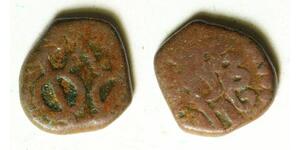
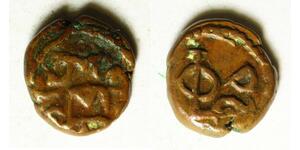
Money in this region did not follow strict centralized mints during early periods. Instead, traders relied heavily on silver standards brought from Spanish mines or minted locally in Batavia for broader use across the archipelago. The circulation involved primarily thaler-style coins which functioned as de facto currency despite lacking official denominations specific to that location alone.
The monetary system evolved alongside commercial needs rather than strict policy changes often seen elsewhere. As commerce grew, merchants sought consistency in value standards so contracts could be executed reliably regardless of where goods originated. Consequently, standard weights like the Batavia dollar became widely accepted even though they bore inscriptions referring to capital cities thousands of miles away.
This flexibility allowed for trade continuity while local authorities adapted foreign issues into their daily economic lives until new regulations arrived later in administration periods. The lack of distinct localized minting meant that coins were often circulated as legal tender based on weight alone rather than face value stamped by a specific regional authority during these early Dutch centuries.
This fluidity created opportunities for counterfeiters but also facilitated robust commerce necessary for shipping routes to flourish without constant disruption from monetary reforms. The reliance on foreign silver allowed the colony's economy to thrive before industrial minting capabilities were established closer to metropolitan centers later in history.
Mints and Coin Production
The primary production occurred at major headquarters located elsewhere but distributed through local ports. Notably, coins produced at Batavia carried significance across Malacca as they circulated freely throughout the territories under similar administrations. Artistic characteristics from these mints often displayed symbols of power such as shields or maritime anchors which signified naval strength and control over trade winds.
In later stages when administration changed hands, new types were introduced to reflect local governance structures rather than solely referencing Amsterdam designs. These variations offered collectors unique examples where artistic choices merged imperial iconography with regional influences specific to that theater of operation.
- Prominent design elements often included symbols representing the East India Company's trade monopolies.
- Metal compositions focused on high silver purity for reliable international exchange value.
The scarcity arising from limited local production during Dutch tenure has added significant numismatic interest among those who study early Southeast Asian monetary history. Each surviving specimen connects directly to specific merchant ships that brought these metals across oceans.
Notable Coins
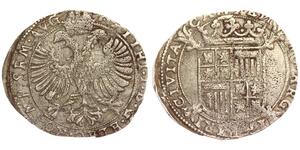
Silver Florins are perhaps the most sought after items regarding currency found from this era within regional archives. These pieces feature elaborate reverse designs often referencing naval victory or religious themes common during 17th century Europe. Their historical context relates to funding for fleet operations needed to maintain control over trade routes.
- The first generation issues were minted under specific governors seeking legitimacy.
- Rarer variations bearing special marks indicate direct issuance in regions before full standardization occurred elsewhere
Another category includes trade tokens produced during transition times which often display unique inscriptions describing authority levels of local rulers. Collectors value these for their ability to tell stories about power dynamics changing over decades without requiring vast amounts of new metal production.
Metal composition changes reflect evolving technology and availability, yet the designs maintain consistent iconography representing continuity in trade despite political upheavals. This allows researchers to track how administrative priorities influenced artistic choices even when resources remained scarce.
Cultural Legacy
The legacy of this monetary history extends beyond mere metal weight as it reflects broader cultural exchanges that defined the region during its colonial age. Each coin serves as a miniature artifact carrying symbols from different continents merged through global trade networks established by merchant vessels traveling daily between ports in Asia and Europe.
- Cultural fusion appears most visibly when examining how religious motifs were adapted to fit local customs.
- Economic priorities dictated the scale of production meant goods had to be lightweight yet durable for long sea journeys
This legacy remains relevant today as scholars study how early monetary systems influenced modern financial infrastructures built upon centuries-old foundations. Museums preserve these specimens alongside artifacts depicting daily life in the fort that housed administrative offices during those turbulent times of expansion and reorganization across continents.
For collectors
The value for hobbyists today stems from their rarity and unique historical significance rather than simple face values assigned centuries ago. Owning a specimen connects you directly to the global trade networks that once dominated world economics before modern digital currency systems emerged.
This territory offers an entry point into understanding how colonial powers managed complex economies through portable wealth stored in silver plates passed from hand to hand aboard merchant ships navigating dangerous waters daily.
We hope you find this overview illuminating as a starting point for your own collection or study interests regarding regional monetary heritage from that era of exploration.