| View |
| preceded by | ||||
|
||||

|
|||||||
 Kingdom of Great Britain (1707-1801)
|
|||||||

| succeeded by | ||||||
|


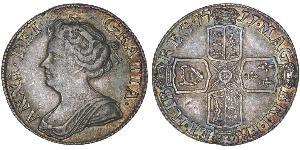
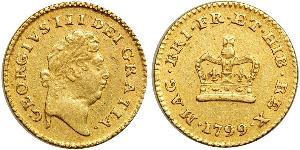
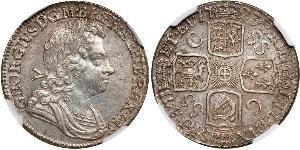
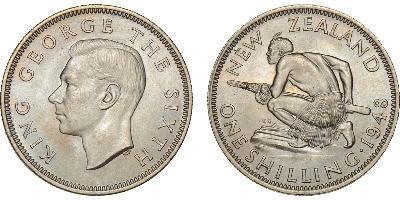
| Kingdom of Great Britain (1707-1801) | Link to Wikipedia |
The Kingdom of Great Britain: History, Coinage and Collectibles
Historical Background
To understand the narrative carved in silver and gold across this island nation, one must first appreciate the political landscape that defined it from 1707 until its transformation into a different constitutional arrangement. The formation of the Kingdom of Great Britain marked a defining era where two distinct monarchies united to create a stronger economic engine for global commerce. This union was not merely administrative; it fundamentally altered how wealth moved between London and Edinburgh, stabilizing trade that had previously been hindered by separate currencies.
The primary driver behind this consolidation was the expansion of maritime power following decades of conflict with continental European empires. By securing peace in Europe through strategic alliances and naval dominance, merchants could focus their energies on trans-Atlantic navigation and colonial exchange. The economies of London and Glasgow grew rapidly as industrialization began to take root. This era coincided with a massive influx of resources from American colonies before the separation, creating an unprecedented demand for reliable currency standardization across England, Scotland, Wales, and Ireland (before it was formally joined in later years).
The culture of this period reflected a nation transitioning into imperial dominance. While often associated strictly with politics or high art at the time, this economic shift laid the groundwork for a monetary system that would support global trade networks lasting centuries to come. The unification allowed merchants from different regions to conduct business using the same denomination without fear of arbitrary devaluation by one side against another.
Currency and Coinage History
The evolution of money in this region illustrates a shift from fragmented local systems toward imperial standardization. Following the Act of Union, minting regulations merged to create a unified sterling that circulated freely throughout all constituent parts previously known by separate names. While copper coins varied slightly based on regional sources or wartime necessity (such as India Milled Rupee usage), silver and gold standards remained consistent across Europe.
A major period for coin production began under the reign of Anne, continuing through the mid-georgian era before 1800. This time frame saw a move away from heavy reliance on imports like Spanish dollars toward domestic mints producing sovereigns intended to meet local wages and salaries within expanding industrial centers.
Minted output was designed specifically for use in commerce rather than as hoards or investment alone, reflecting the reality that money is what facilitates daily labor. As a result of population growth due to improved agricultural methods from abroad (grain imports), there were shortages of silver relative to gold bullion inflows during certain years.
Mints and Coin Production
The central production facility remained the Royal Mint in London, though smaller mints operated under strict royal oversight elsewhere. Technology improved significantly with the introduction of standardized planchets (metal blanks) that allowed for consistent sizing regardless of hand-hammering limitations earlier.
- Mint Tradition:
The Royal Mint focused on protecting national wealth and ensuring that silver content did not dilute below official standards, a common concern in Europe at the time. This protection was crucial for maintaining Britain's reputation as a place of financial stability where merchants could safely deposit gold or purchase coins to pay customs duties.
Notable Coins
Coin collectors are drawn primarily by those pieces that represent significant historical moments within this specific timeframe, alongside rare errors in minting before 1801. Several types stand out for their artistic merit and rarity:
- The Sovereign Gold Coin: While strictly speaking sovereigns were issued heavily during the United Kingdom era later on, earlier gold issues from this lineage serve as critical anchors for numismatic history. They display a transition in portraiture that reflected changing fashions of dress and coronation style.
- The Half Crown Silver: Often found with intricate detailing showing heraldic symbols merged together after the Union Act, these represent daily wages earned by workers before the industrial revolution fully matured. Collectors prize those struck in brilliant condition which reveal subtle textures of wear that tell stories about how they circulated.
- The Silver Sixpence: These smaller denominations were essential for purchasing small items at local markets throughout London and Edinburgh. Their composition included copper mixed with silver, making them robust enough for circulation in all weather conditions while remaining valuable as a medium of exchange rather than store value.
- The Copper Penny: Issued primarily to replace heavier brass coins found earlier due to high wear from trade use, these small denominations highlight the shift toward efficient minting practices required by growing urban populations seeking affordable goods.
For auction buyers specifically, pieces with provenance linking them to historical events such as naval victories or treaty signings carry unique narratives beyond their face value. The reverse designs often featured ships sailing into ports that signaled the expansion of trade routes reaching India and China during this pivotal century.
Cultural Legacy
The coinage of Great Britain reflects a culture deeply rooted in maritime tradition, royal lineage, and religious stability. Portraits on coins shifted from elaborate baroque styles to simpler neoclassical designs that mirrored the artistic movements sweeping through European capitals at the time.
- Royal Imagery:
This era established conventions still visible today regarding national identity expressed in art. The heraldry used on coinage symbolized authority and protection over merchant shipping, reinforcing a sense of security for investors abroad who relied upon the British flag as safe harbors.
- Economic Symbols:
The integration of these symbols into daily change emphasized that economic health was tied directly to royal favor and national unity. It taught generations how governance functioned through tangible metal objects carried in pockets rather than abstract paperwork.
For Collectors
This collection offers a unique opportunity to own artifacts from the specific historical moment when two kingdoms became one entity before the expansion into Ireland altered its title further. For those interested in investment-grade numismatics, early pieces often command attention due to their connection with foundational trade routes and colonial exploration.
- Rarity:
Surviving examples of high-quality specimens from this period are limited because heavy use by the general public caused significant wear over decades. Finding a mintmark variety that was rarely struck in specific years can elevate value for serious buyers.
- Aesthetic Appeal:
The design quality improves steadily across reigns, offering visual progression for those interested in art history alongside currency appreciation. These items serve as portable museums that connect owners to a time of great political and industrial transformation.