| View |
| preceded by | |
|
|||||||||
 Duchy of Bavaria (907 - 1623)
|
|||||||||


| succeeded by | ||||
|

| Duchy of Bavaria (907 - 1623) | Link to Wikipedia |
Bavaria: History, Coinage and Collectibles
Welcome to the fascinating world of Bavarian history and numismatics. In this piece, we will explore how a sovereign duchy shaped by mountains, rivers, and rich tradition left an enduring mark on European economics through its coins.
Historical Background
The Duchy of Bavaria was one of the most significant regions within Holy Roman Empire for centuries. Its geographical position served as a crucial gateway between Central Europe to the south towards Italy, and it bridged cultural connections throughout medieval history. This location meant that commerce flowed through its lands constantly.
- Salt trade routes from Austria were vital economic arteries during this period
- The region provided protection for major merchant convoys moving northwards
The political evolution of the state is just as interesting to understand when viewing coins. Under Imperial sovereignty, Bavaria operated largely independently before evolving into a Kingdom in the nineteenth century. This transition allowed it to retain strong cultural identity even while remaining part of larger Germanic powers.
This distinction was important because many other territories adopted Prussian designs or Austrian styles during periods of centralization, but the region often insisted on retaining its own heraldry and monetary standards. The economy relied heavily upon trade involving grain, cloth, and metals. These industries directly influenced how much silver needed to be minted.
Currency and Coinage History
The history of money in this area reflects broader European changes yet maintains distinct local flavors. Early forms were based on specific weights found locally or imported from Augsburg or Nuremberg standards, which circulated widely as trust was built among merchants crossing the alpine passes.
A significant turning point occurred around 1805 when Bavaria formally declared itself a kingdom and established its own distinct coinage systems for domestic use. This era marked a shift toward modernization where minting practices became standardized across borders, yet local motifs persisted in design choices that collectors cherish today.
- Moving from diverse Elector currency to more centralized Kingdom issues
Silver content became an area of great importance for these coins. The standard Thaler was the dominant coin used throughout central Europe during this period, but Bavaria often minted its own variations that featured specific local symbols.
Mints and Coin Production
The most renowned production center existed within Munich itself where skilled masters operated specialized workshops to create currency. The craftsmanship here was world-renowned for maintaining high silver purity standards well into the modern era, unlike many other regions which began lowering metal content as bullion prices shifted globally.
Production technology advanced significantly during these centuries starting with hand-struck punch designs and progressing toward machine minting in later decades where precision tools created sharp relief without sacrificing artistic integrity. This evolution impacted how coins were perceived by the public, often seeing high-quality strikes become less common but more consistent over time as industrialization took hold across Europe.
Notable Coins
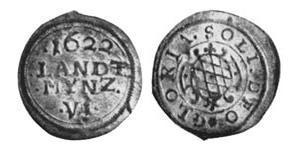
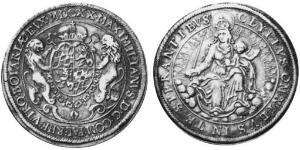
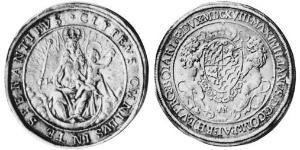
Several specific coin types are considered highlights for any enthusiast interested in regional history or numismatic artistry. The Silver Thaler minted early on is a prime example, often displaying the royal eagle above and local lions below with intricate detailing found only at premier workshops.
- The Early Elector Issues: These pieces represent power consolidation through trade rights
- Ludwig I Gold Ducats: Displaying high prestige with rare artistic motifs featuring court architecture
Rare collectors also look for silver crosses or smaller denomination coins used by peasants and merchants alike. While these were everyday money, their production run was often massive compared to gold pieces made specifically for diplomatic exchanges between kings.
Cultural Legacy
The artistic themes found on Bavarian coinage speak directly to the culture of its people at that time in history. The lion is perhaps one symbol most associated with this region, representing bravery and strength inherited through royal lineage dating back several centuries ago before becoming standardized.
- Nature imagery such as oak leaves often appeared alongside coats of arms
- The Hofgarten Lion became a standard motif for state currency production
This emphasis on local heritage in metallic form helped build national pride during difficult periods where centralization threatened to erase regional differences. The symbols used were not just aesthetic choices; they served as declarations that Bavarian culture was unique and should remain preserved within larger empires.
For collectors
Today, these pieces offer a window into how local power was asserted through economics rather than warfare alone. Their historical significance lies in the story told by each design element, from crown styles to specific animal depictions that changed over time as leaders came and went.
- Rarity often depends on preservation condition more than sheer production numbers
The enduring appeal of collecting these items comes from preserving a tangible link to regional history. Unlike generic German Empire pieces, early Bavarian issues carry distinct cultural weight that connects the buyer directly to centuries of tradition.