| View |
| preceded by | ||||
|
||||

 USA (1776 - )
|
||||||
|

| succeeded by |
| USA (1776 - ) | Link to Wikipedia |
The United States of America: History, Coinage and Collectibles
Welcome, patrons and enthusiasts. We gather here today not merely as owners of metal objects, but as students of a nation's economic heartbeat. The coins produced across the American landscape serve as tangible records of its birth, growth, struggle for independence, and eventual ascendancy to global trade dominance. This narrative explores how currency evolved alongside this vast territory, bridging early indigenous trade networks with modern banking systems.
Historical Background
The story of money in America begins long before the declaration of statehood. Indigenous communities established complex barter systems across thousands of years prior to European contact. Following 1492 and subsequent colonization, various empires issued tokens that circulated within their respective territories on the mainland. The early colonies relied heavily on trade with Britain and Spain, resulting in a currency system fragmented by local needs rather than federal policy.
The American Revolution shifted power from London to Philadelphia. While independence was declared in 1776, establishing sovereignty did not immediately solve monetary challenges. Early attempts at creating national paper money were met with skepticism regarding value stability and inflation. It became clear that a unified standard was necessary for expanding trade as the nation grew westward.
The industrial revolution of the nineteenth century transformed American commerce exponentially. As railroads connected cities, gold flows from mining districts in California needed to be regulated effectively. This economic expansion fueled a need for secure, standardized metallic currency to facilitate interstate business. The government realized that without federal oversight on coinage, disparate local economies would hinder national development.
Currency and Coinage History
The foundational shift occurred with the Constitution of 1787 which granted Congress authority over monetary systems. In March 1792, President Washington signed legislation establishing a United States Mint in Philadelphia alongside strict bimetallic standards for gold and silver coins. This act brought order to trade by ending the era where state governments printed their own notes or authorized private tokens.
Civil War years introduced significant turbulence into national finance. The Union needed new denominations during conflict, leading to a temporary cessation of standard coin production in favor of paper money that was easier to transport on battlefields and moving armies. Peace returned with the need for restored gold reserves. By 1873, monetary policy had standardized around silver and later the Gold Standard era.
The twentieth century brought massive changes as inflation rates stabilized and economic power consolidated in major banking hubs. Design trends also shifted from purely classical imagery to more modern artistic expressions reflecting Art Deco movements popular during Prohibition and the Great Depression eras, ensuring coinage remained visually relevant to a changing public.
Mints and Coin Production
The Philadelphia Mint served as the primary center of production throughout most of American history. Its halls housed master engravers who crafted intricate reliefs representing Liberty's head or draped busts that dominated obverses for decades. Artistic standards here remained high, setting a benchmark for other nations.
As mining operations expanded westward to support industrialization and rail transport networks, new facilities were required near resource centers. By 1854, branches opened in Charlotte followed by Carson City, New Orleans, and San Francisco during the California Gold Rush boom. Denver later joined this network as the region developed mineral wealth for national use.
Minting technology advanced from simple hand-striking presses to steam-powered equipment capable of producing millions annually. The introduction of die-making techniques allowed for consistent sharpness in features like eagle wings or wheat sheaves on reverse designs, preserving detail that would otherwise wear down quickly during circulation and handling by the general public.
Notable Coins
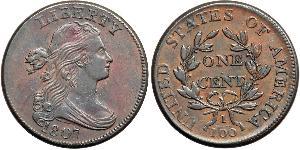
Among collectors, specific issues stand out not just for rarity but historical weight. The Draped Bust Half Dollar illustrates early classical aesthetics employed in federal design before stylistic shifts occurred later generations. These pieces capture a moment when American identity was still being forged through art.
- Morgan Silver Dollars: Produced during the late nineteenth century, these coins featured distinctive profiles of Liberty and standing eagles on reverses. They represent a pinnacle of high-relief workmanship from Philadelphia mints before modernized dies altered later styles significantly.
- Indian Head Nickels: Created to depict Native American heritage respectfully during that era's cultural context, these coins served for decades as common change until replaced by Roosevelt designs in the early twentieth century.
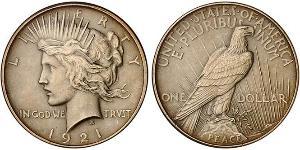
- Tailpiece Peace Dollars: Issued following global peace treaties after World War One ended conflict and signaled prosperity through their simple, elegant design contrasting earlier war-time imagery of eagles or helmets used previously.
Rare dates often appear in auction catalogs as key components for building a collection. However, condition is paramount when considering these older examples. Mint marks stamped on reverse fields indicate production location during busy periods versus limited runs at specific branches like Carson City that ceased operations following silver price adjustments over decades.
Cultural Legacy
The imagery carved into American coins reflects the broader culture of freedom and liberty enshrined in national philosophy. Obverses often portrayed Liberty's face, symbolizing democratic ideals rather than monarchs as seen on European sovereign currency at that time. Reverses displayed symbols like eagles representing power or olive branches signaling peace.
Economic growth fostered artistic innovation alongside industrial might. The dollar became one of the world's primary reserve currencies for international trade, reinforcing American financial influence globally during its peak dominance in late twentieth century. This status was visible even on paper bills circulating across continents where they served as exchange standards rather than local spending tools.
Numerous commemorative series honored historical milestones and presidents from Washington to Lincoln following the Civil War era that ended slavery within state borders permanently. These special issues allowed citizens worldwide to possess small fragments of national history for their own personal archives or family collections without significant expense required compared to bullion purchases alone today.
For Collectors
The legacy remains strong and relevant in modern collecting markets where historical provenance drives prices. A well-preserved example offers more than mere metal; it provides a snapshot of economic conditions, artistic tastes specific to that century's engraver workshop styles, or military conflict funding requirements during major international wars fought overseas.
Demand for authentic pieces remains steady because they serve educational purposes while allowing investors in tangible assets alongside financial instruments. For many enthusiasts seeking variety across world currencies used today internationally since ancient times, the United States offers deep historical depth spanning over two hundred years of official minting traditions established by federal laws regarding coin specifications and production volumes.
The significance lies within owning history that connects past civilizations with modern banking standards globally recognized for stability. Whether examining early silver dollars bearing Liberty's head or rare tokens struck before full industrialization, each piece narrates a chapter in America ' rise from colonial frontier to global superpower status during Cold War era.
As you review these artifacts under magnification glass lamps found at estate sales or auction houses worldwide keep this narrative in mind. The journey captured by copper cents and silver halves offers enduring value that transcends simple face denominations printed on reverse sides alone today regardless of fluctuation rates seen elsewhere globally during current economic cycles.