| View |

 Virgin Islands
| Virgin Islands | Link to Wikipedia |
The Virgin Islands: History, Coinage and Collectibles
Historical Background
To understand the monetary story of this Caribbean archipelago, one must first grasp its turbulent path through empires and trade winds. The islands, located within the heart of the Atlantic's shipping lanes, served historically as a crucial hub for commerce connecting Europe with North America and South America. For centuries before modern independence movements or federal integration were conceived here, St Thomas, St Croix, St John, Tortola, Jost Van Dyke, Peter Island, Virgin Gorda, Anegada, Brimstone Hill, the Redonda island (as listed in some historical accounts), along with other territories formed a collective region governed by different powers. The most enduring period of local cultural cohesion occurred under Danish administration prior to 1917. During this era, the islands were known as the West India Islands or the Danish Virgin Islands.
The economy was built upon salt production from St Croix and agriculture such as tobacco cultivation in Tortola and St John. These commodities moved across vast oceans via galleons, requiring a complex system of exchange to facilitate transactions with merchants along the African coast. This reliance on trade necessitated metal currency that could hold value against fluctuating commodity prices. The transition from Danish rule to United States sovereignty marked not only a change in governance but also a monumental shift in financial integration within the Western Hemisphere.
Currency and Coinage History
In the early colonial period, money was fluid by necessity. Initially, trade involved barter using salt or tobacco alongside silver brought from Europe to facilitate commerce with local partners across Africa. As European maritime exploration advanced, Denmark-Norway introduced standardized coinage based on Scandinavian models but adapted for use in tropical climates and markets. These coins were essential instruments that allowed small business owners at the docks of St Thomas to pay daily wages without leaving their homes.
A significant turning point occurred during World War II when metal shortages impacted global supply lines. During these years, some local businesses issued tokens or used specific denominations printed on paper notes accepted as legal tender within the territory to bypass international trade blockades and import restrictions. These emergency issues reflect a moment of resilience in colonial history where economic continuity was maintained against geopolitical uncertainty.
The acquisition by the United States government in 1917 brought about another major change: the adoption of the Federal Dollar as legal tender for all official business within US Virgin Islands territory. This transition meant that local collectors began finding Danish coins mixed alongside American currency issued from Philadelphia and Denver mints during wartime or peacetime periods. For a historian, this era represents the complete integration of a Caribbean region into North American monetary standards.
Mints and Coin Production
The production of coinage for these islands took place primarily at major established facilities in Copenhagen rather than within the territory itself during most colonial history. The artistry involved was high, utilizing copper alloys to reduce weight costs while maintaining face value through silver content. This practice allowed merchants from European ports or American trading vessels to purchase locally without needing massive shipments of heavy gold bullion.
Coin designs typically featured royal portraits on one side and local symbols such as the West Indies flag crest combined with denominations like 'Daler' or 'Rixdollar' representing specific values for trade. In later periods, minting shifted to American facilities where coins struck in Washington carried inscriptions of stars, eagles, and other patriotic motifs celebrating national unity rather than royal lineage. The lack of local mints meant that collectors often sought these foreign-made pieces stamped with local dates or denominations indicating their specific origin for trade use.
Notable Coins
The most historically significant coinage from this region includes the silver dollars minted during Danish reign in Copenhagen. These are rare examples where a small island economy relied on European craftsmanship to maintain its global trading partners' trust. Collectors prize these for their historical design features showing King Frederick III or Christian IX with local trade stamps marking them for circulation across St Thomas and Croix.
Copper coins from the late 19th century also hold interest, often representing half-penny issues intended to facilitate daily market transactions among plantation laborers. Their simplicity in metal composition reflects economic realities where silver was reserved for larger wholesale trades while base metals served local needs.
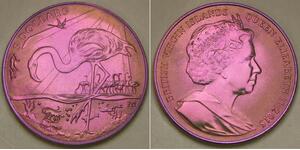
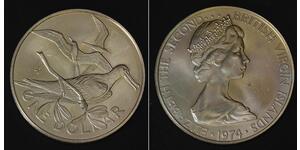
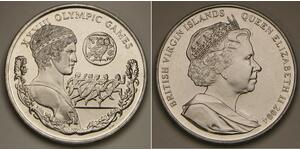
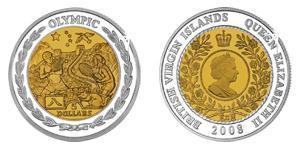
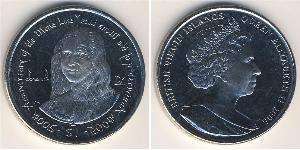
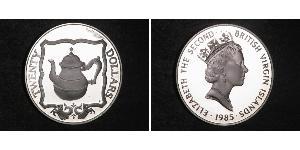
In modern numismatics attention has turned toward commemorative strikes produced by Washington facilities that were officially issued to mark anniversaries of the island’s purchase or specific territorial events. These pieces carry proof markings and special designs celebrating the transition from colonial rule, serving as tangible links between two different nations in history books.
Cultural Legacy
The coinage of these islands serves as a physical record of their cultural evolution through empires. Early silver discs tell stories of African trade routes established before modern maps existed while later American issues symbolize the integration into North America's financial system after 1945. The symbols minted onto metal carry deep meaning, representing loyalty to crowns and eventually presidents.
Economic history is preserved in these designs where sugar cane motifs appear on older pieces alongside maritime anchors reflecting shipping dominance today. Religious icons also found their way into later coinage designs as communities adapted new governance structures while maintaining cultural traditions visible through art styles used by mint engravers during each era of administration.
For collectors
This territory remains fascinating to numismatists seeking pieces that bridge two major civilizations within a single small region. The value lies not in market price alone but in historical narrative preservation when viewing early colonial issues found intact or modern proof sets commemorating territorial milestones. Collectors appreciate the provenance of coins with original packaging showing trade routes and connections between Europe, Africa, and the Americas preserved across centuries.
The study of these coins allows enthusiasts to visualize how daily commerce functioned on a tiny island where survival depended heavily on global relationships maintained through metal exchange mechanisms established by distant kings or presidents. Understanding their story enriches appreciation for broader maritime trade history while offering opportunities for collectors who value historical depth alongside aesthetic beauty in silver and copper specimens found in auctions worldwide.
Careful examination reveals details often missed at first glance, such as subtle wear patterns from heavy use on docksides centuries ago or the pristine conditions of modern proof sets kept under ideal storage. These items serve both educational purposes for those studying Caribbean history and aesthetic value for connoisseurs collecting specific series related to overseas territories.