| View |
| preceded by | ||||
|
||||

|
|||||||
 Second Federal Republic of Mexico (1846 - 1863)
|
|||||||

| succeeded by | ||||
|

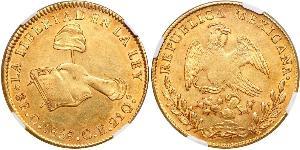
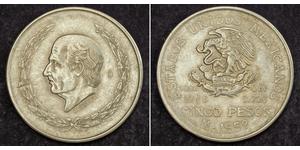
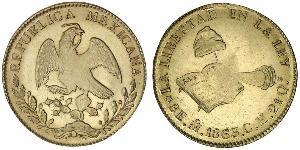
| Second Federal Republic of Mexico (1846 - 1863) | Link to Wikipedia |
Second Federal Republic of Mexico: History, Coinage and Collectibles
Welcome to a journey through the turbulent yet transformative era that defined the mid-nineteenth-century nation known in numismatic history as the Second Federal Republic of Mexico. As we step into this period, imagine a landscape where independence was fresh but identity was still being forged through both ink on parchment and metal in coins. This article serves as an introduction for those who appreciate collecting items that hold stories from the age when national sovereignty was written literally onto silver and copper.
Historical Background
The nation emerging from its struggle with colonial rule faced a complex path toward stability. The Second Federal Republic represents a critical phase in Mexican history, following independence and preceding more modern iterations of governance. This era was shaped by profound ideological battles between centralists who favored strong executive power under figures like Santa Anna, and federalists championed republicanism across diverse states.
Economic life during this period relied heavily on agriculture, mining exports, and regional trade networks that connected ports to the interior highlands. However, constant political unrest often disrupted these flows of commerce. When insurrection broke out or central authority wavered, merchants faced uncertainty regarding currency standards. The government had to balance foreign debts with internal fiscal needs while trying to maintain trust in their national monetary system.
Culturally, this time was one where the nation defined itself away from Spanish colonial symbols and moved toward indigenous motifs mixed with republican imagery of liberty. This shift influenced how money circulated through markets, impacting daily life for farmers who received coinage in exchange for crops destined for export or local consumption. Understanding these political tides helps explain why specific years yield rare coins today.
Currency and Coinage History
In the early days of this republic, money evolution followed both necessity and prestige. The Spanish colonial system heavily influenced initial designs, but new leadership sought to imprint national will onto currency. By the time full federal structures were implemented, distinct reforms began standardizing production schedules across key mining provinces.
Silver remained the backbone of commerce throughout most of this era, with heavy silver dollars serving as international trade tokens while smaller denominations circulated domestically for wages and local taxes. Copper pieces also found popularity because they complemented daily economic needs without requiring high value extraction from mines. As political instability increased during the 1840s and early 50s, some mints slowed output due to shortages of bullion caused by civil conflicts.
Monetary stability was often a casualty of war when governments printed new issues to pay debts or fund armies. Collectors can observe these changes in metal composition weights; occasionally lighter alloys were used during crisis periods as official standards shifted slightly to accommodate scarcity. This evolution is crucial for understanding the economic resilience (or fragility) felt by citizens who held money on their workbenches.
Mints and Coin Production
The geography of coin production played a vital role in defining quality variations seen today. The primary mint located within the capital city served as the hub for official government currency strikes, featuring intricate artistic details reserved for high-value silver pieces produced under favorable conditions.
Federalist governments sometimes delegated smaller operations to provincial towns where mining clusters existed such as Potosi and Guadalajara. These local centers utilized slightly different techniques or older dies that were passed down before being replaced with newer styles later in the century. Production traditions emphasized durability, allowing coins to withstand harsh travel conditions across vast territories without losing recognition among merchants far away from banking houses.
Techologically, early republican mints often worked within a framework inherited from colonial workshops but improved through trade partnerships and skilled immigration of engravers seeking new opportunities elsewhere in the Americas. Artistic characteristics distinguished official federalist issues by replacing royal crests with eagles representing liberty or shields displaying regional coats-of-arms that varied based on legislative decisions.
Notable Coins
Focusing on a few highlights offers insight into why these artifacts matter to serious enthusiasts. The silver dollar remains the most iconic representative of this period, often referred by collectors as the eight reales. Its historical context dates back when it became the primary medium for purchasing imported goods like textiles and sugar from southern plantations.
- The Silver Dollar (Ocho Reales): Features designs that blend classical artistry with emerging republican symbols; highly sought after due to limited mintage during high-conflict years.
- Copper Centavos: Produced in massive quantities for everyday transactions despite wear and tear from rough handling by rural populations across the territory.
- Gold Eagles of this period: Though less common than silver, these pieces reflect international trade wealth entering ports like Veracruz before being minted or redistributed to finance state operations later.
The 8 Reales is particularly celebrated among collectors who value its balance between high artistic quality and widespread circulation history. These coins tell the story of a global market that connected Mexico City directly with markets across Europe despite occasional political isolationism.
Cultural Legacy
Beyond economics, coinage served as portable art reflecting national culture during an era when mass production was still limited to skilled artisans working hand-hammered or press-strike methods. Religious iconography and scenes of indigenous nature often adorned reverse sides alongside eagles symbolizing power over the land.
The legacy embedded in these pieces demonstrates how government identity evolved without modern machinery but through sheer determination among local craftsmen who wanted their creations to last generations. Today, when looking at such objects from 150 years ago under magnification reveals not just political symbols but also cultural pride etched permanently into metal that survived centuries of hoarding and circulation.
For Collectors
This period remains vital for numismatic pursuits because each piece represents a tangible connection to national history during its formative decades. Whether studying the design evolution on silver dollars or understanding how political turmoil affected production schedules, acquiring examples adds significant educational value beyond mere aesthetic appreciation.
Coin collectors today benefit from access to high-quality images and scholarly resources available through auction houses which focus specifically in historical artifacts rather than modern currency issues. Focusing on condition grading helps identify genuine pieces that have preserved better surface integrity while understanding original minting errors enhances research opportunities for serious dealers.
In conclusion, the legacy of the Second Federal Republic lives within every piece kept today, reminding enthusiasts why history and art combine beautifully in a small metallic object held safely over generations.