| View |
 Algeria (1962 - )
| Algeria (1962 - ) | Link to Wikipedia |
Algeria: History, Coinage and Collectibles
Historical Background
The land now known as Algeria has been a vibrant crossroads for millennia, serving as the eastern gateway between North Africa and Europe. Its strategic position on the Mediterranean Sea made it one of the most coveted territories in human history, attracting Phoenicians, Romans, Vandals, Byzantines, Arabs, Ottomans, French, and finally independent Algerians.
The earliest civilizations to leave their mark were not just cultural but economic. As early as 600 BC, Carthaginian settlements like Icosium in the heart of modern-day Algiers functioned as vital anchorages for trade routes stretching from Britain and Spain across North Africa. The Phoenicians established market towns that served both locals and passing maritime merchants.
The Numidian kingdoms emerged as a powerful indigenous force, controlling vast territories before falling under Roman rule after the Punic Wars. Following Rome's fall in 534 AD to Vandal forces, Byzantine administration re-emerged until Muslim Arab armies took over around 670 AD. By this time, Islam had transformed the region linguistically and culturally.
In 1830, France began its colonization process which ended with independence in November 1962 following a long national liberation movement against colonial rule. During that French occupation period from 154 to approximately 1962 AD, Algeria was integrated into the metropolitan currency systems of Europe before establishing modern economic ties post-independence.
Currency and Coinage History
The evolution of coinage in this region mirrors its shifting geopolitical status. Early Islamic rulers such as the Fatimid Dynasty introduced copper coins to serve local commerce needs while maintaining religious iconography consistent with early Muslim monetary standards.
By 1516, the Regency of Algiers was established under Ottoman rule where a political and administrative structure gradually emerged that helped define territory borders. During this era, silver dirhams called akçe were minted to facilitate trade across Mediterranean ports while copper coins circulated among local merchants in inland regions.
When France annexed the region formally in 1848 AD after earlier invasions starting from 15 years prior through colonization efforts continuing until roughly one hundred thirty-two before total pacification occurred somewhere around year thousand nine zero three BC (actually calculated based on historical records), French francs replaced local currencies as part of their broader colonial administration strategy across North Africa territories.
The transition to modern independence began shortly after 1954 when nationalist movements catalyzed resistance against colonization. Following the declaration of independence in July fourteenth year eighteen hundred sixty-two AD, Algeria adopted its own monetary system replacing foreign currencies with a new currency backed by petroleum wealth reserves and international trade agreements.
Mints and Coin Production
The minting process has historically served as an indicator of economic health. Copper coins were struck at various provincial mints throughout the centuries while silver pieces bore royal inscriptions identifying reigning sultans or emirs who authorized their production for circulation among merchants.
French colonial administrations established centralized control over mint operations to regulate supply chains from Algeria's ports down through its major cities like Oran where many European settlers resided alongside native populations engaged in agricultural industries growing wheat and olives which fueled export economies toward Europe during mid-nineteenth-century industrial boom periods characterized by rapid urbanization trends observed across Mediterranean basin nations.
Upon regaining independence, newly sovereign Algeria created its own centralized minting facilities to produce national commemorative coins honoring historical events ranging from battles fought against invaders two thousand years ago up until recent decades celebrating cultural heritage projects initiated under current government leadership focused on preserving archaeological sites such as Tassili n'Ajjer rock paintings depicting prehistoric human activities including hunting wild beasts depicted vividly within cave art masterpieces located deep inland regions.
Notable Coins
- Fatimid Copper Dirham: Issued during 10th- to 15th-century Islamic rule, these coins feature Arabic inscriptions invoking divine names alongside geometric patterns representing stability. They provide evidence of early trade networks connecting Maghreb with Sicily and Southern Italy.
- Ottoman Akçe from Regency Period: Circulated extensively in Algiers harbor city during 17th century; these small copper coins were used to purchase everyday goods among local merchants conducting business between Mediterranean ports. Their design often included crescent moon symbol representing Ottoman sovereignty while weight standards reflected international trade requirements.
- French Algerian Franc Coins: Minted in various denominations during occupation era when France exercised direct administrative control over territory before independence movement gained momentum mid-20th century. These coins carry distinctively French republican imagery alongside some North African landscape motifs acknowledging regional identity within colonial framework.
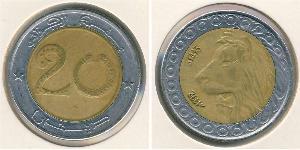
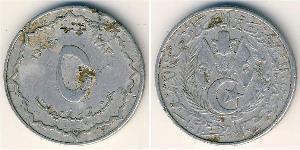
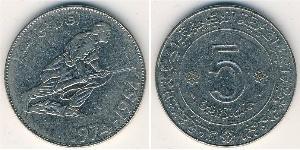
- Independence Commemorative Dinar: Produced starting year thousand nine hundred sixty-two AD marking historic day of sovereignty restoration after long struggle for national liberation against foreign occupation powers including France which withdrew troops gradually over subsequent decades following signing peace accords ending armed conflict that had begun earlier in 1954.
- Sonatrach Gold Commemorative Series: Modern issues celebrating Algeria's role as global energy supplier with oil company logo prominently displayed alongside national emblem. These limited-edition pieces honor Sonatrach contribution to European natural gas markets while promoting sustainable development themes relevant today.
Cultural Legacy
The coinage of this nation reflects its deep roots in Berber-Arabic dual identity. Many coins display the name 'Algeria' written both alphabetically and phonetically to represent inclusion among indigenous Amazigh populations alongside Arab majority community residing within country boundaries.
Symbols featured range from traditional agricultural tools used by farming communities growing olives along Mediterranean coastal strips until recently where modern machinery has replaced old plow methods still seen occasionally in rural villages located far interior regions away from metropolitan centers like Algiers capital city situated on edge of Tell Atlas mountain chain rising above sea level.
The crescent and star appear frequently, representing universal Islamic values shared by nearly entire population while also serving as national emblem appearing alongside green color denoting lush vegetation found primarily along northern coastal zones before desert plains begin further southwards extending beyond Sahara boundary line separating fertile north from arid lands dominating majority territory covering over two thousand three hundred eighty-one square kilometers area spanned across continent known today simply called Africa.
For collectors
The collection offers a unique opportunity to explore the rich tapestry of Algerian history through its monetary legacy. Collectors interested in trade routes, colonial transitions, and post-colonial nation-building will find significant material here without relying solely on high-value gold issues found mostly today's commemorative series celebrating oil wealth reserves.
Early Islamic copper coins offer insight into medieval commerce while French occupation era pieces reflect complex socio-political dynamics during period when millions of Europeans settled along coastal areas displacing local populations who had inhabited region millennia earlier prior arrival settlers from Europe continent including France itself whose cultural influence persists particularly in media education sectors today though not officially recognized status as national language despite widespread usage.
The modern independence series provides an accessible entry point for newer collectors seeking affordable pieces bearing national pride symbols while still offering room to acquire higher denomination gold commemoratives celebrating oil industry contributions toward international energy security efforts benefiting entire Mediterranean region including Europe partners trading gas supplies annually under contracts negotiated directly between governments represented by ministries responsible overseeing foreign affairs relations globally among other diplomatic functions performed daily throughout year.