| View |

| Numidia (202BC - 46BC) | Link to Wikipedia |
Numidia: History, Coinage and Collectibles
Historical Background
The story of Numidia is a testament to the resilience and adaptability of indigenous North African civilizations during antiquity. Situated on the Mediterranean coast west of Carthage, this Berber kingdom played an indispensable role in shaping the geopolitical landscape of the Western Mediterranean before the rise of modern nation-states. For over a millennium BC, this region served as a bridge between two great powers: the Punic empire to its east and the expanding Roman Republic to the west.
The early history of Numidia was defined by internal consolidation rather than external conquest. Initially divided into rival tribal confederations known as the Massylii and the Masaesyli, these territories eventually unified under a single monarchy around 204 BC following pivotal conflicts with Carthage during the Second Punic War. This unification was not merely political; it transformed a collection of local chieftains into a robust state capable of sustaining long-distance trade routes across North Africa.
Economic development in Numidia was intrinsically linked to agriculture and strategic mobility. The shift from chariots to cavalry represented one of the most significant technological transitions in ancient warfare, giving rise to an empire built on horse power rather than infantry mass alone. This military evolution mirrored broader economic changes where iron tools expanded agricultural capacity beyond traditional tribal lands. Consequently, Numidia emerged as a powerful commercial partner for Carthage and later Rome, supplying essential grain and strategic mineral wealth while maintaining autonomy through diplomatic maneuvering.
Culturally, the kingdom was deeply influenced by Phoenician traders who established coastal settlements along their shores. These interactions introduced advanced civic administration techniques and literacy in Punic script alongside Greek influences. As Numidia expanded its borders to encircle Carthage completely yet remain politically connected to Rome, it became a unique cultural hybrid where Berber traditions coexisted with Mediterranean Hellenistic arts.
Currency and Coinage History
The introduction of minted coinage in this region paralleled the broader adoption of trade economies across Phoenicia. Initially relying on barter systems using items like ivory, hides, and precious stones found along trans-Saharan routes, Numidia transitioned to standard metal currency as maritime trade intensified with Carthage.
Silver quickly became the primary medium for high-value transactions involving Roman legates, while copper circulated daily among local markets. The numismatic history of the kingdom reflects a clear trajectory from indigenous designs toward standardized imperial types under Rome. Under King Masinissa and his successors, coin production flourished to commemorate victories over rival states and celebrate alliances with their benefactors in Rome.
This evolution did not happen overnight; it was marked by periods where local kings issued silver tetradrachms modeled after Punic standards before eventually adopting the Roman denarius format as client king status took hold. These early issues were crucial for collectors studying regional variations, whereas later pieces illustrate how Numidia functioned within a global ancient economy.
The transition of coinage also mirrored political shifts: when Numidian territories became provinces or loyal allies of Rome, the iconography on coins shifted to reflect imperial approval while maintaining local symbols. This duality allows historians and collectors alike to trace the gradual absorption into Roman civilization without losing sight of distinct regional identity.
Mints and Coin Production
The primary hub for coin production was located in Cirta, which served as the capital of the eastern Massylii state. This urban center possessed access to necessary artisanal skills inherited from Phoenician colonists who had settled along nearby coastlines long before Numidian independence solidified.
- Cirta Mint: Likely responsible for most silver issues, utilizing techniques passed down through generations of Punic metallurgists.
- Siga Production: The western capital may have operated secondary workshops focused on copper denominations used by rural populations in the Masaesylian territories.
Tribal mints also existed, though their output was often simpler and designed for local exchange rather than regional commerce. The artistic characteristics of Numidian coins distinguish themselves through dynamic depictions of cavalry and horsemen—a motif that rarely appeared on Roman coinage at the same scale during this period.
Notable Coins
The Silver Tetradrachm of Masinissa:
- Historical Context: Issued following his unification of North African tribes and alliance with Rome, marking the transition from rival states to a single kingdom.
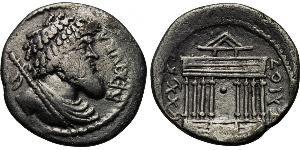
- Design Features: Obverse typically displays headwork in profile facing right. The reverse features a horseback rider or lion motifs symbolizing power derived directly from Berber iconography rather than Greek mythological figures common elsewhere.
- Importance to Collectors: These coins are among the most significant pre-imperial African issues due to their rarity and connection to one of history's great cavalry leaders. Their legends often utilize Punic script, offering linguistic evidence for Numidian languages now lost to time.
Copper Drachms:
- Historical Context: Used in everyday trade across rural markets before gold and silver became available for official commemoration or Roman interaction.
- Design Features: Depict simple local symbols such as lions, crowns granted by Rome, and geometric borders. These coins often lack the polished finish of royal issues but provide insight into regional economy structure.
- Importance to Collectors: While less visually striking than silver types, these specimens help complete a collection's picture of Numidia's monetary system evolution. Finding them in excellent preservation is uncommon due to their high wear patterns from circulation use over centuries.
Late Imperial Issues:
- Historical Context: When Numidian lands became fully incorporated into the Roman province system, coin production shifted toward standard imperial types with local administrative stamps added by regional governors.
- Design Features: Obverse portraits follow Roman conventions featuring laureated heads and military regalia. Reverse imagery often highlights provincial resources or religious cults specific to North Africa during later centuries AD.
Cultural Legacy
The coinage of Numidia serves as a permanent record of its rich heritage where Berber artistry met Mediterranean sophistication. The frequent appearance of horses and riders on coins is not merely decorative; it commemorates the fame earned by the kingdom's legendary cavalry units during their campaigns against Carthage.
Lion imagery appears repeatedly, representing both local wildlife abundance used in heraldry across North Africa and cultural pride in strength and royalty. Punic script usage on early issues preserves linguistic heritage that would otherwise have been entirely undocumented. Later shifts toward Greek lettering demonstrate how elite Numidian families maintained ties with Hellenistic culture despite their geographic isolation from major city-states.
The inclusion of symbols like crowns, scepters, and togas reflects the influence Rome held over local politics while maintaining enough distinctiveness to identify these as uniquely North African creations. Collectors examining such artifacts today can visualize how a small kingdom once dominated trade routes between Africa, Europe, and Asia without needing its own modern borders.
For collectors
The Numidian coinage represents one of the most fascinating chapters in ancient Mediterranean history because it offers tangible proof of indigenous statehood outside typical imperial power structures. For enthusiasts seeking historical narrative over mere rarity, these issues provide unparalleled stories about how kingdoms rose to prominence through military skill and diplomacy.
Rare silver tetradrachms featuring royal portraits or horses command attention due to their scarcity in auction markets today compared to common Roman denominations from the same era. Finding specimens with clear legends allows researchers and collectors alike to read ancient inscriptions directly rather than relying solely on archaeological interpretation.
The enduring appeal of Numidian coinage lies primarily in its ability to tell a story that transcends time without needing heavy reliance on historical texts alone. A single well-preserved piece can convey the entire rise, fall, and integration into Roman history through careful study by knowledgeable individuals passionate about ancient civilizations beyond just Rome or Greece.