| View |


|
|||||||||
 British Raj (1858-1947)
|
|||||||||


| succeeded by | ||||||
|


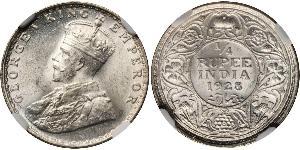
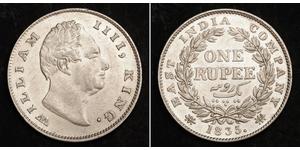
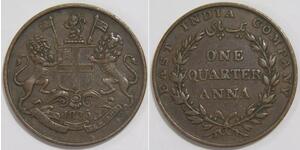
| British Raj (1858-1947) | Link to Wikipedia |
British Raj: History, Coinage and Collectibles
Historical Background
The British Raj represents a pivotal chapter in the economic history of South Asia, spanning from 1858 until independence. Historically, this period marked the transition from East India Company rule to direct Crown governance following the tumultuous events of the mid-nineteenth century rebellion. For collectors and historians alike, this era signifies the consolidation of trade networks across a vast peninsula. Previously fragmented by local chieftains, regional powers, and diverse economic practices within provinces like Bengal or Madras, these territories were unified under administrative oversight that sought to stabilize currency circulation.
The unification efforts extended beyond mere conquest; they aimed at creating an integrated market economy. British policies encouraged the construction of railways which physically connected the remote mining regions to the bustling ports of Calcutta and Bombay. This infrastructure boom fundamentally altered how wealth moved, making silver bullion from Latin America a critical input for local manufacturing. As trade routes stabilized, the need for standardized legal tender grew urgent among merchants moving goods between provinces that previously used distinct weights or regional tokens.
Culturally, the Raj was defined by an intricate blending of administrative styles where British governance coexisted with indigenous traditions in art and law. This synthesis is palpable not just in treaties signed within courtrooms but also on currency pieces circulated daily through rural bazaars. The economic expansion during this era relied heavily on confidence in monetary standards that were perceived as secure, fostering an environment conducive to banking growth.
Currency and Coinage History
Moving toward the establishment of a unified financial system under Crown rule required significant monetary reform. Before 1858, many princely states maintained their own mints or used local coinages that varied in weight and purity depending on availability of silver ore from mines near Dharwar or Manasagudi. Upon formal transfer to the Raj authorities, a standardized Silver Rupee emerged as the primary unit for large transactions, while copper-tin alloys served denominations like annas or pies.
The introduction of gold mohurs and later coinage reflected wealth storage habits in conservative households where bullion was preferred over low silver denominations. Minting practices evolved to meet these demands; initially relying on hand-struck methods typical of Mughal traditions, the authorities gradually introduced machine striking technologies which reduced costs but sometimes affected weight consistency early in production runs.
The shift also involved currency policy decisions made by officials headquartered in London and New Delhi simultaneously. This centralization meant that coinage designs needed approval from multiple departments ensuring compliance with Royal prerogative while respecting local sensitivities regarding religious symbols or auspicious dates like Diwali which was often honored through special commemorative issues minted locally.
Mints and Coin Production
The machinery of production in this region relied heavily on a few key manufacturing centers. The Calcutta Mint became the most famous establishment for producing silver rupees intended for British administration across northern India, utilizing techniques that blended traditional die-cutting with modern engraving skills imported from London workshops.
In southern provinces such as Bombay and Madras (now Chennai), separate facilities operated under specific instructions tailored to local languages. Artisans in these locations often added stylistic flourishes or variations of lettering based on regional calligraphy traditions, creating distinct varieties recognized by collectors today. Despite the centralized authority, mints located within princely states like Mysore or Jodhpur remained active until formal unification policies were implemented.
Minting technologies included heavy machinery capable of striking large silver disks at rates exceeding several hundred per hour in later years. These plants also employed skilled die engravers who carved Queen Victoria's profile, first as a young woman and then in older age, often facing left or right on different coins from the same period.
Notable Coins
The most sought-after pieces typically come from specific years within the reign of Queen Victoria during her later portraits known for high relief work. A key collector interest lies in 1903 issues, where silver content was sometimes slightly higher than subsequent debasements to maintain value stability amidst global price fluctuations.
Another notable category involves commemorative medals struck following major imperial gatherings such as the Delhi Durbar of 1912. These large medallions feature elaborate scenes depicting local Indian princes alongside British dignitaries and serve a dual purpose: they are historical documents regarding royal protocol, yet also prized numismatics for their intricate engravings.
Rarity is driven by survival rates rather than mintage figures alone due to the harsh wear conditions in rural trading posts. High-grade examples of transitional silver pieces that bridge British rule and pre-independence designs often carry significant historical value as they document shifts in political sentiment before 1947 without referencing modern disputes.
Cultural Legacy
The coins themselves functioned as carriers of cultural identity, featuring motifs from Ashoka Pillars or Sanskrit inscriptions for the benefit of both British rulers and local populations. While early issues bore English legends on one side and Persian script on reverse sides reflecting administrative hierarchy where Urdu remained official language in court documents.
Symbols chosen reflected a desire to project imperial unity while acknowledging diversity across different provinces. The use of Indian horses or elephants alongside European lions was not uncommon on lower denomination pieces meant for soldiers serving overseas who carried them into campaigns elsewhere.
For collectors
The significance remains strong because the British Raj era connects a vast array of coin collecting interests to one another. Collectors often seek out specimens that reveal subtle variations in how metal quality was maintained across decades where industrialization introduced new standards for weight accuracy.
Completing sets from this period offers an education into economic history and artistic evolution on paper or silver surfaces alike, making the pursuit rewarding regardless of market fluctuations outside the hobby. The study invites enthusiasts to explore deeper connections between monetary policy decisions made in government houses far away and how they manifested physically on currency held by common families throughout generations.
In conclusion, exploring these collections provides insight into a transformative period where commerce met culture under foreign rule that eventually gave way to modern sovereign entities while leaving behind tangible artifacts of immense numismatic allure.